


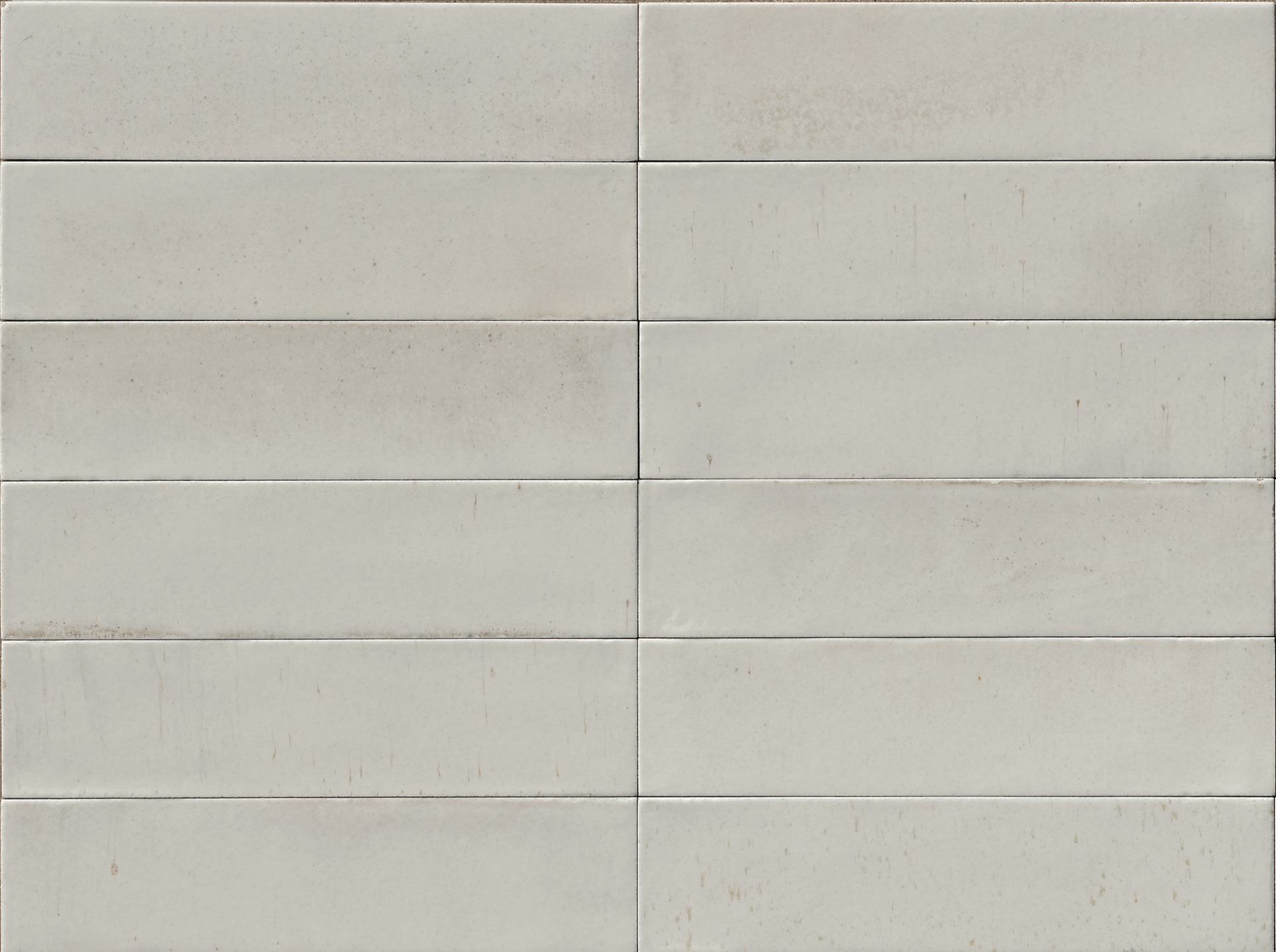
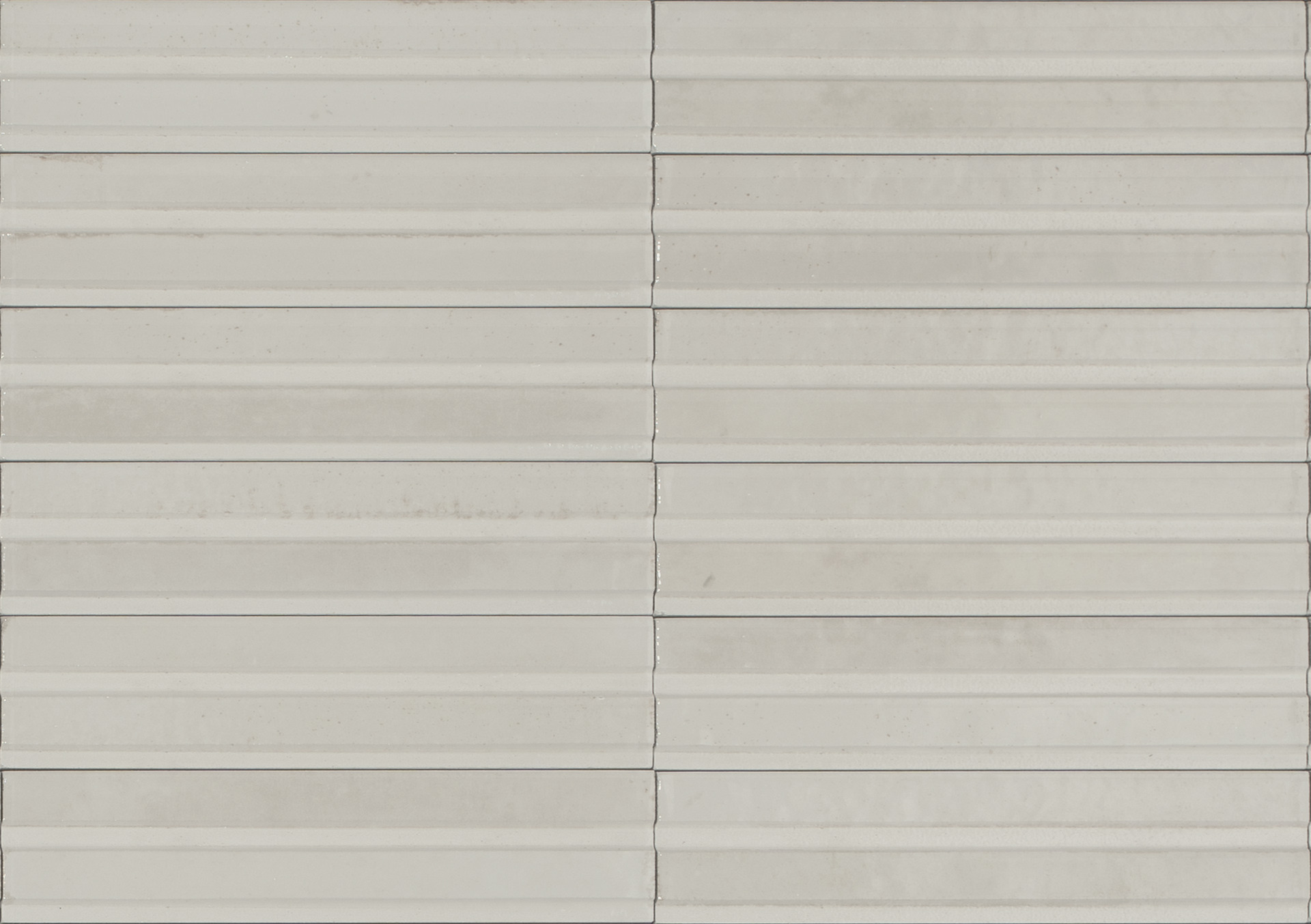

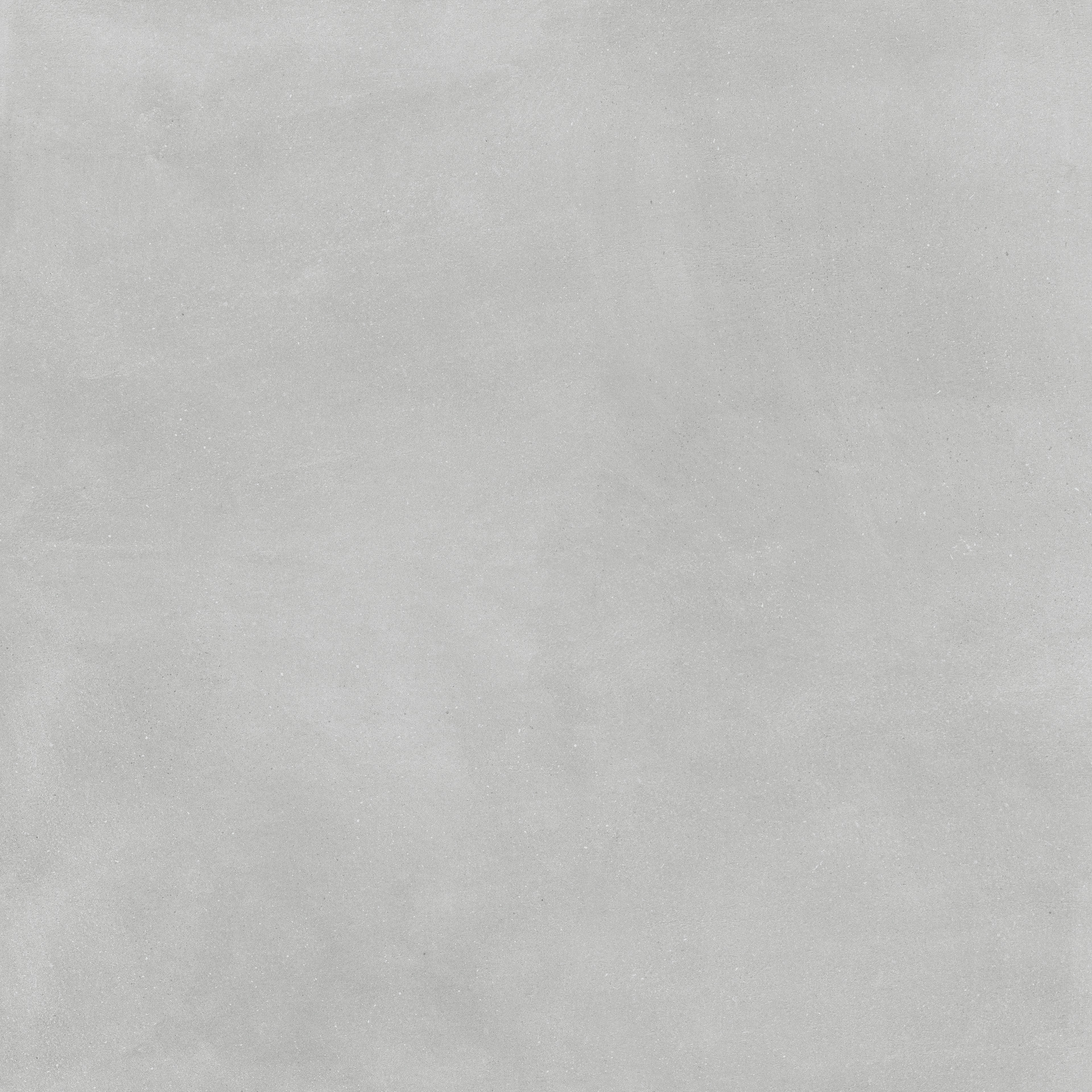
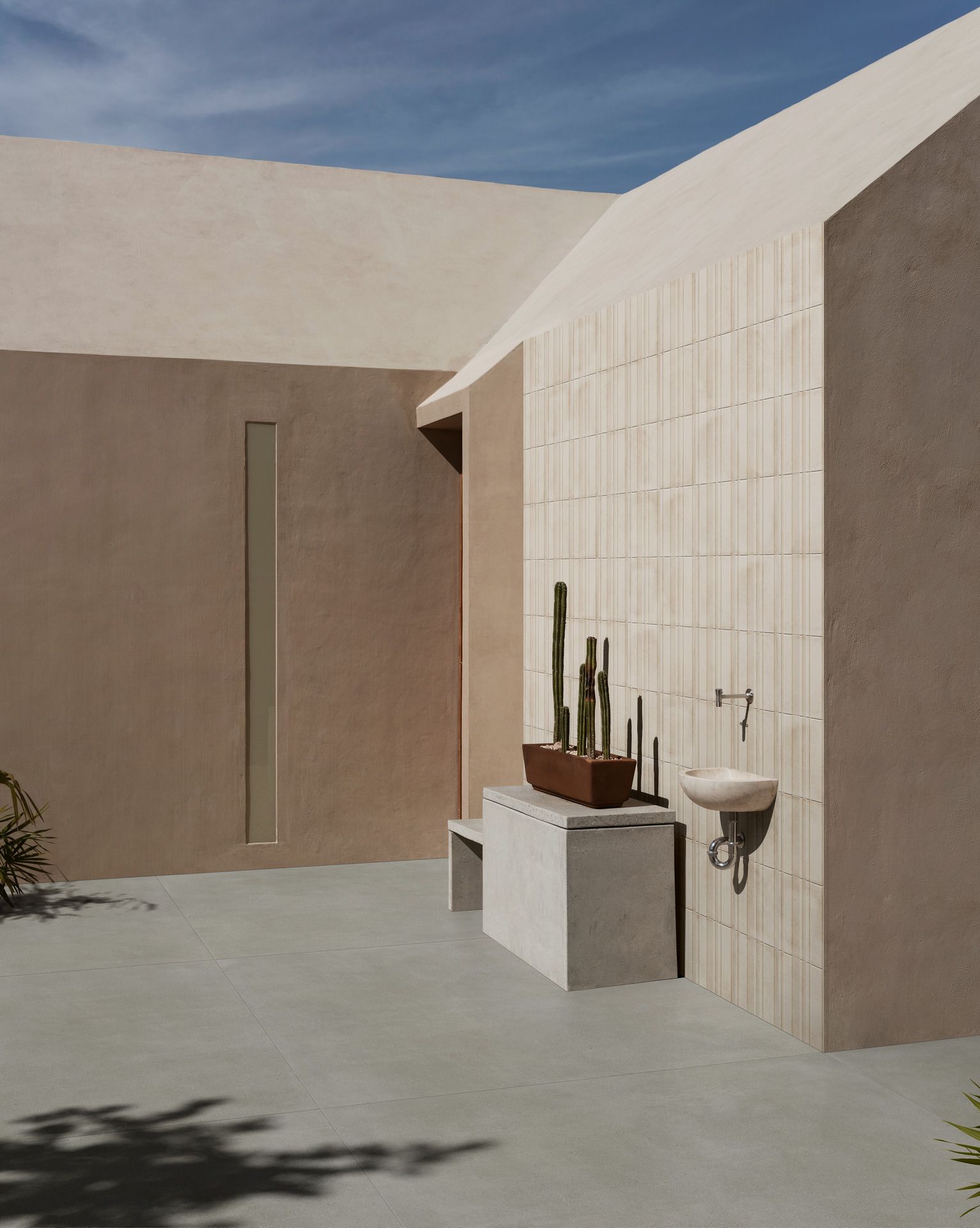
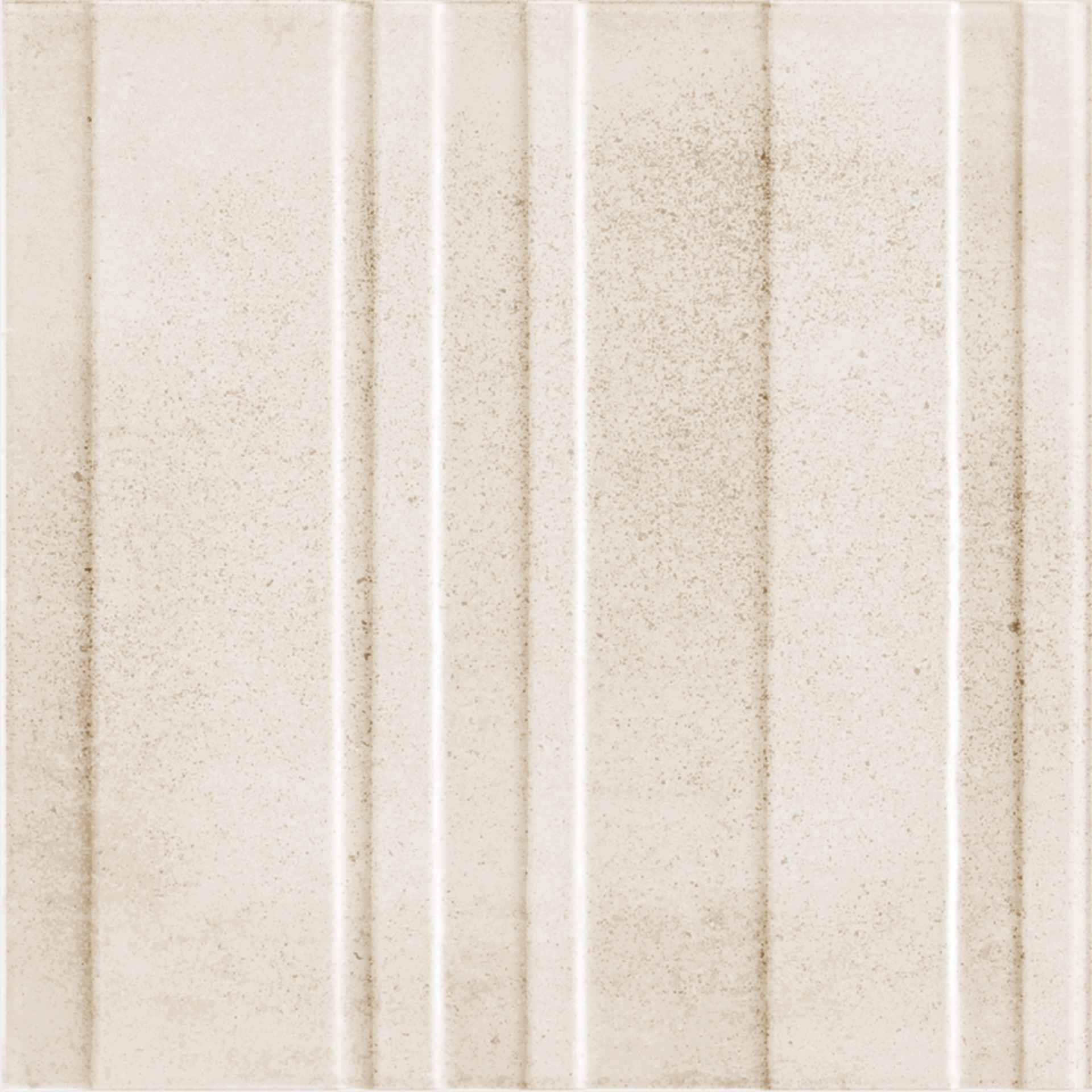
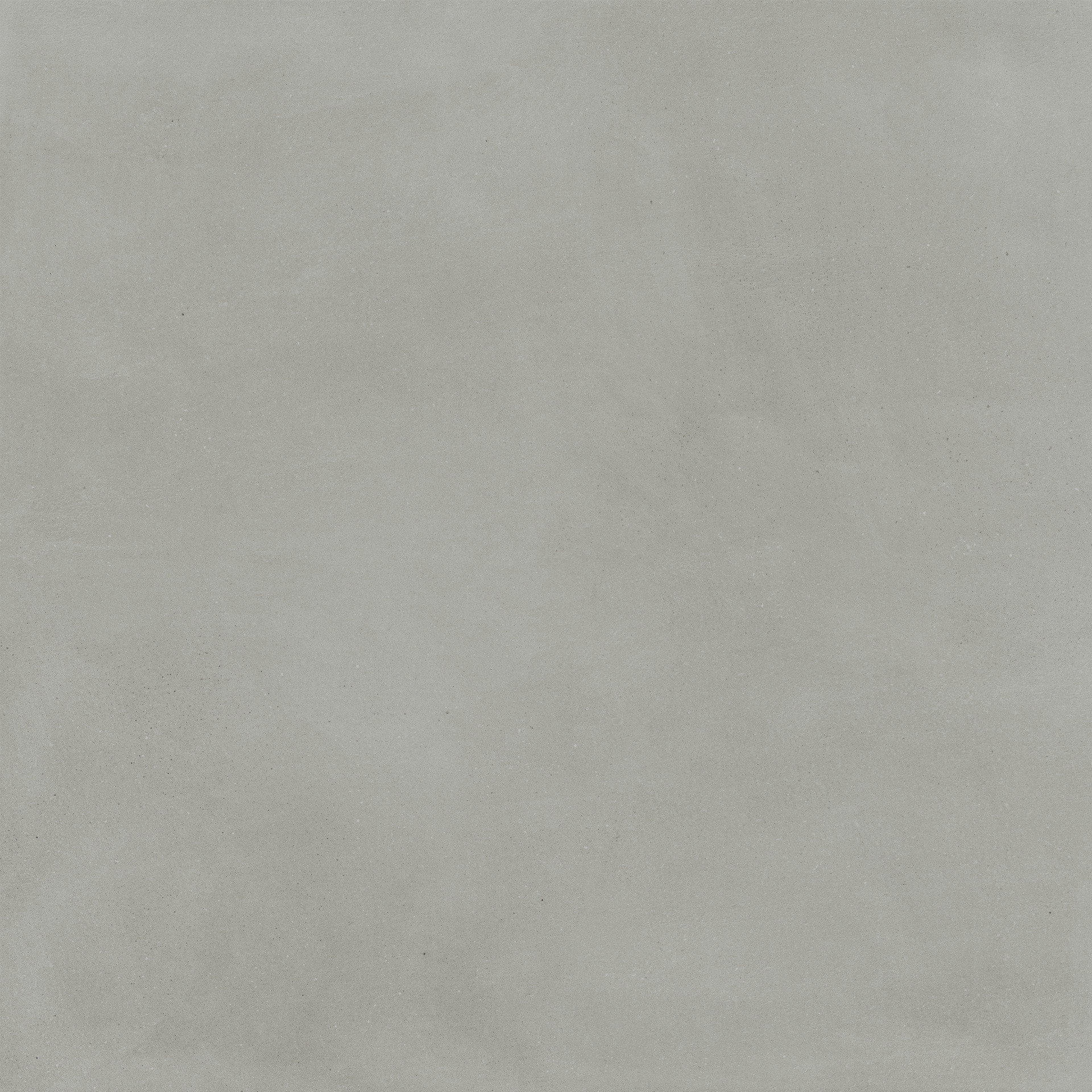




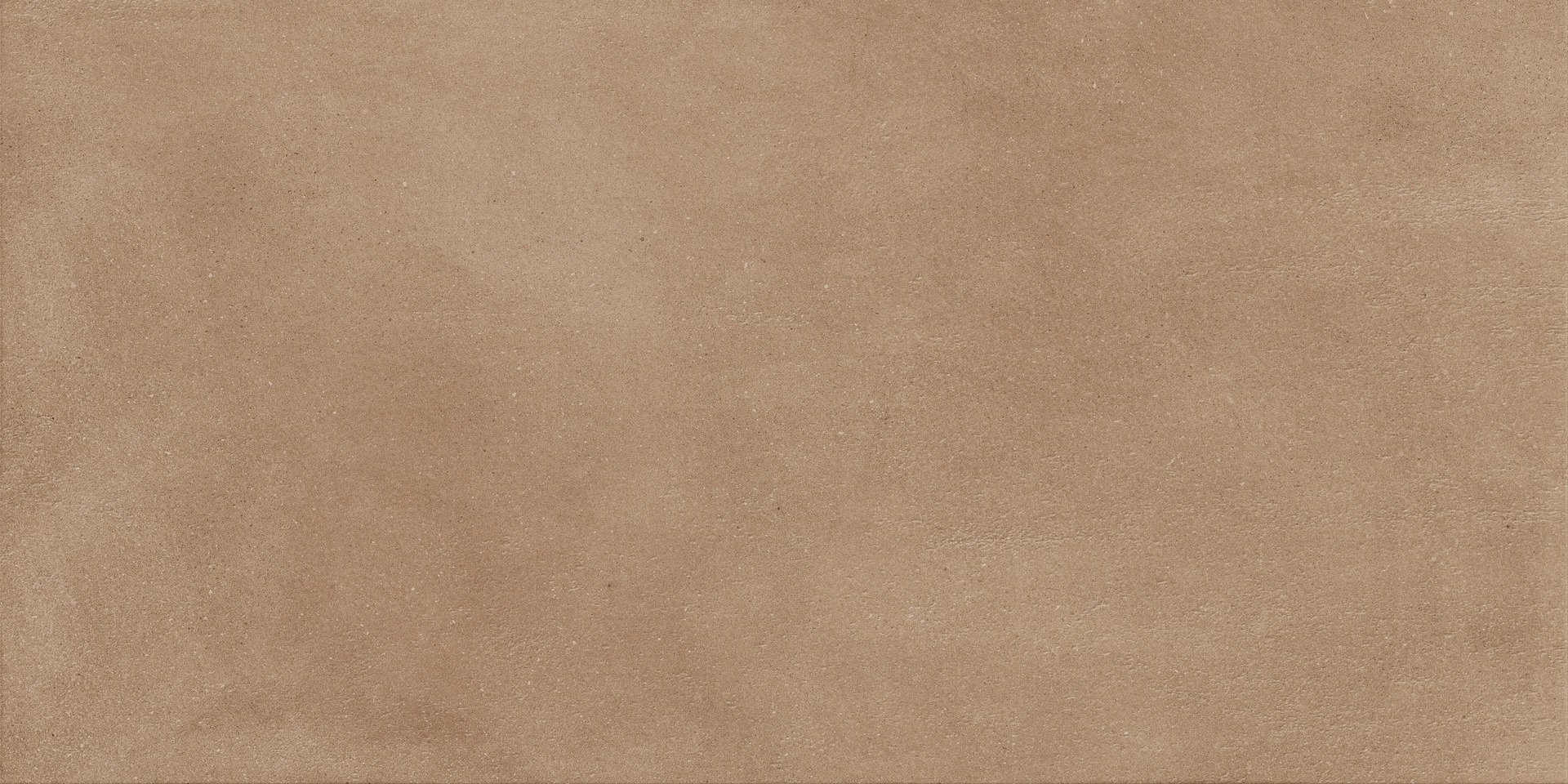
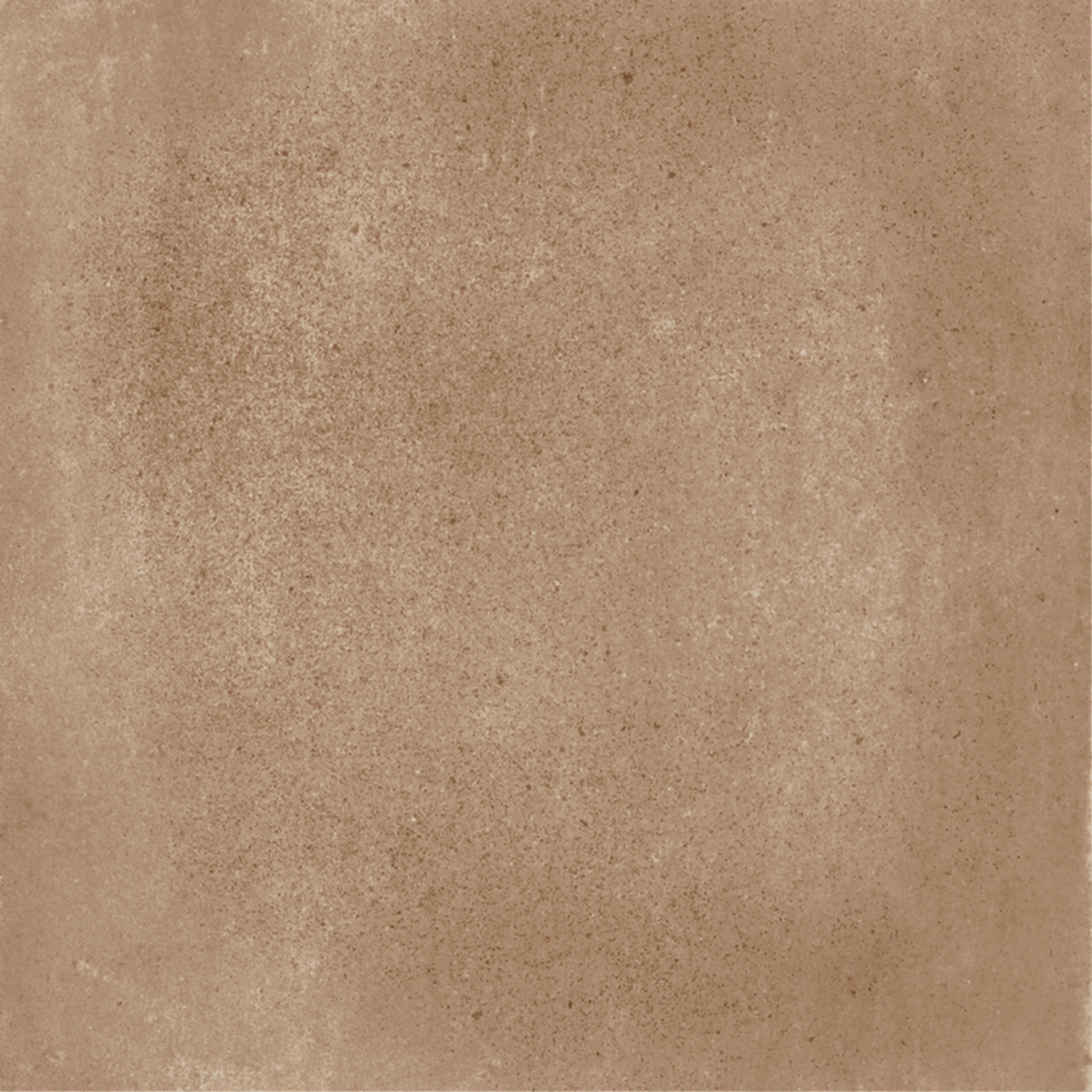


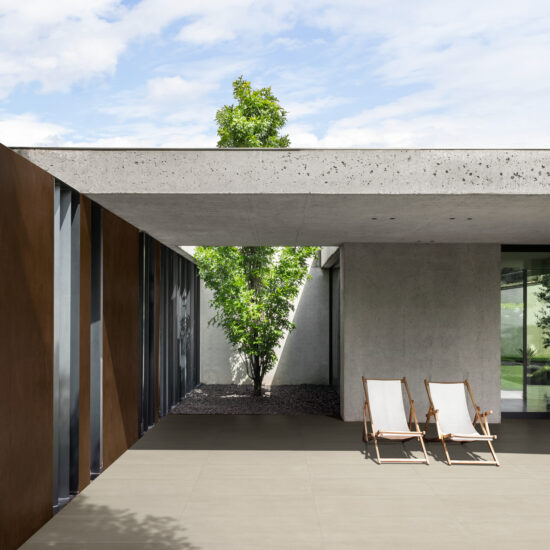
Cementum20
- Colors 4
- Sizes 3





Porcelain stoneware with terracotta and concrete effect brings the warmth of terracotta and the tactile quality of concrete surfaces into rooms. Discover collections for floors and wall coverings, from interiors to outdoor spaces.


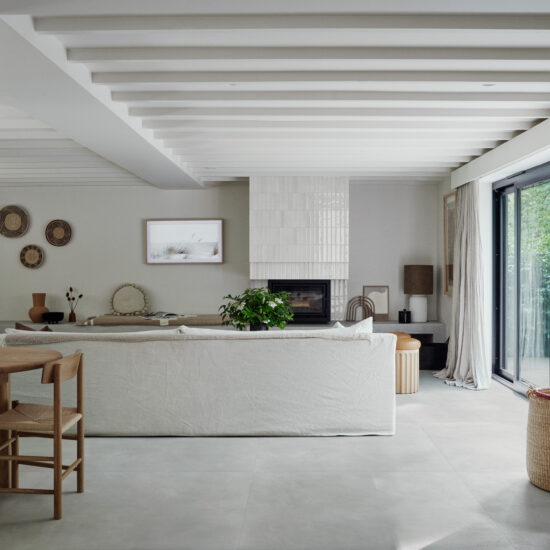
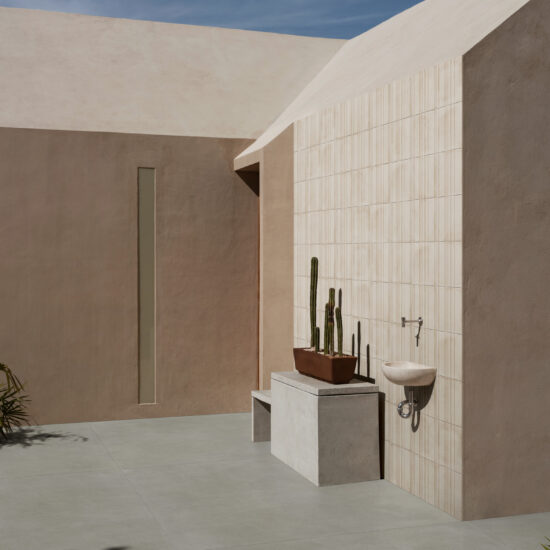

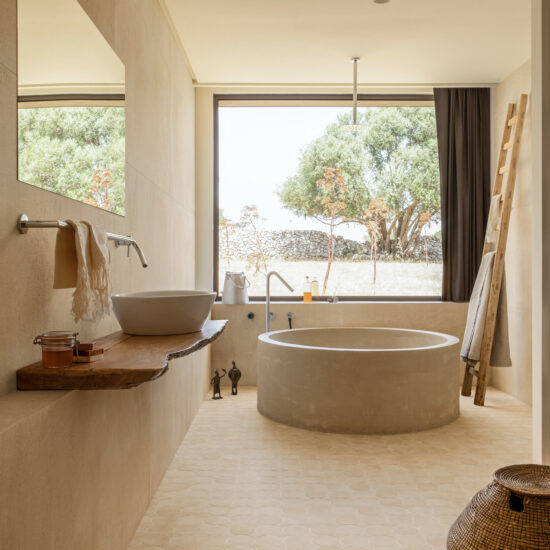
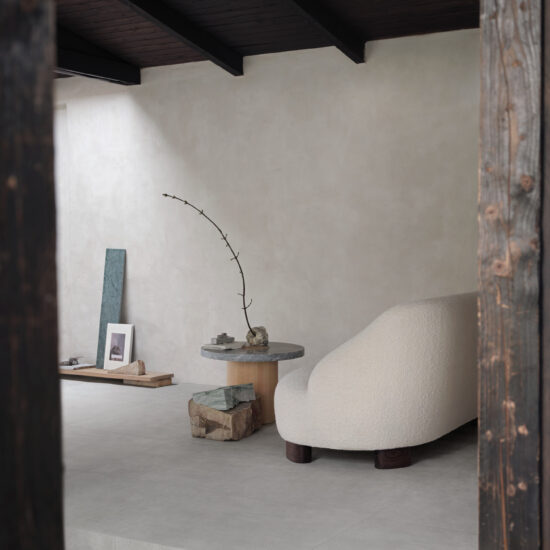

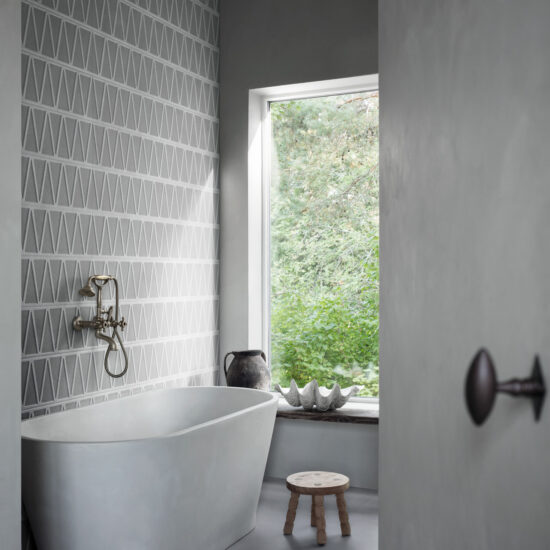
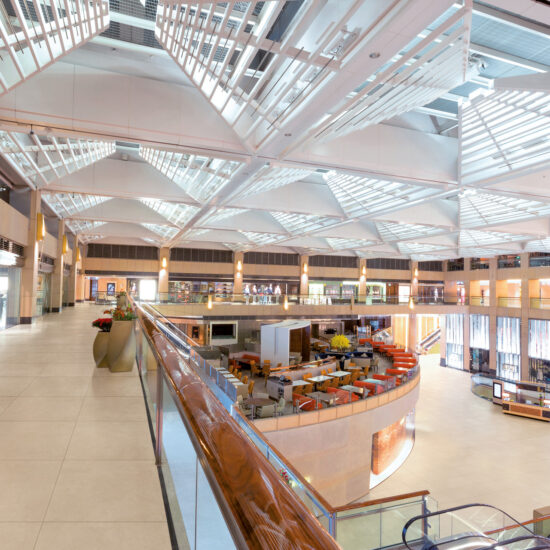
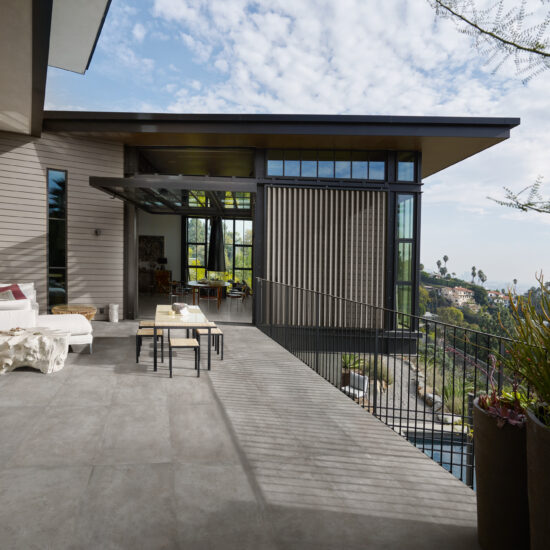
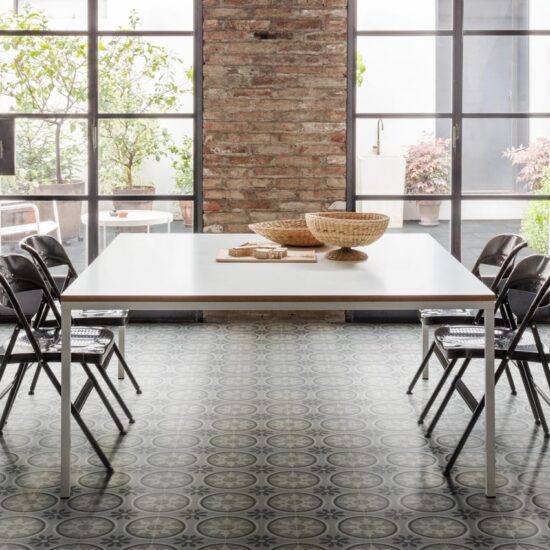
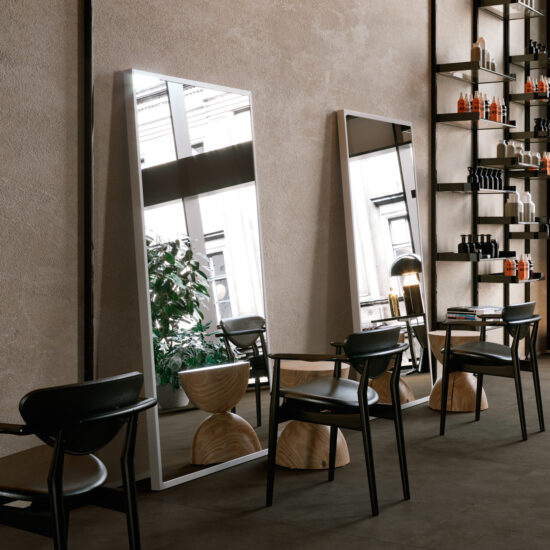
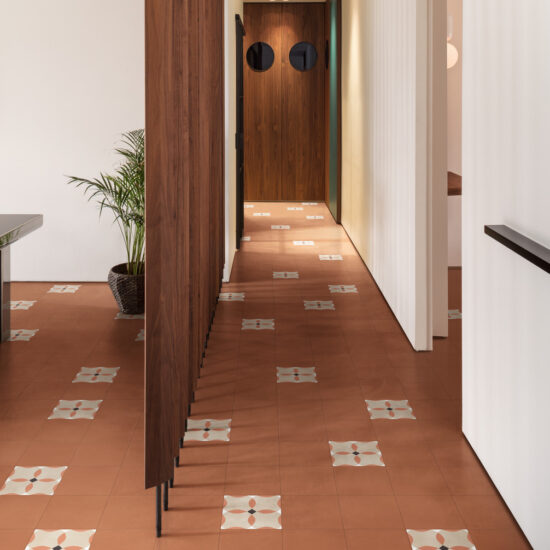
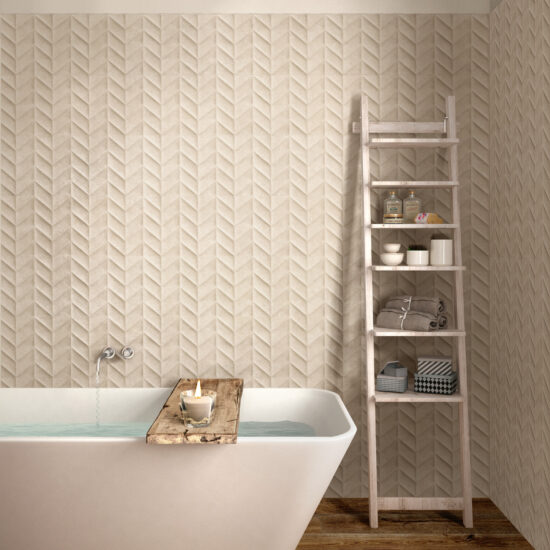
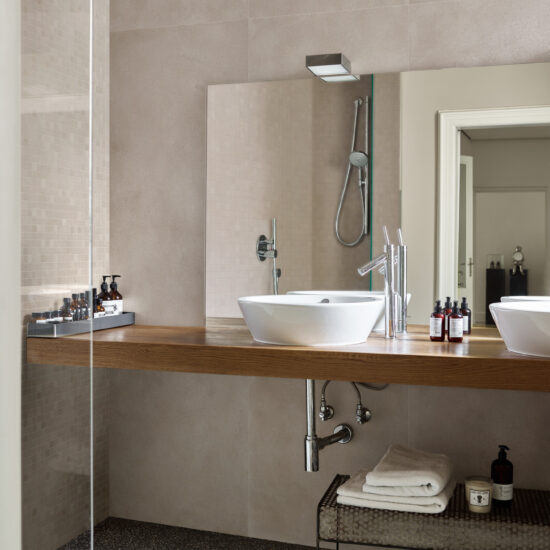
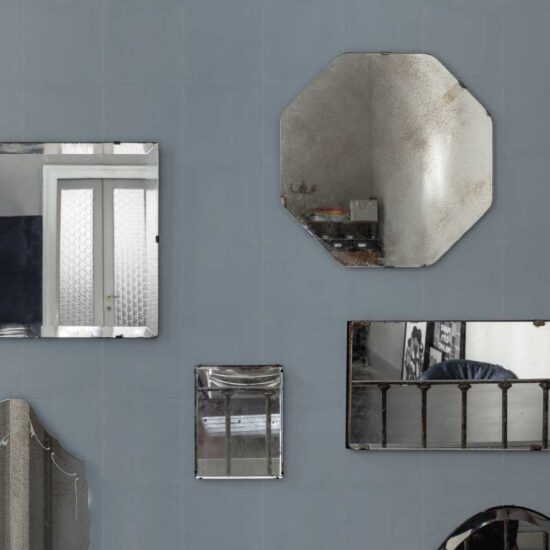
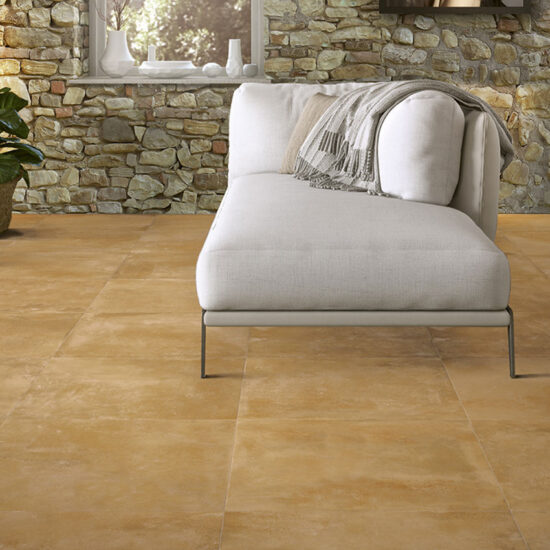


The warmth and craftsmanship of terracotta, the essential character of concrete: collections offering two different interpretations of materiality.
In both cases, porcelain stoneware combines the look of the inspirational materials with strength, long-lasting durability, and ease of maintenance, providing solutions suitable even for the most lived-in rooms of the home.
Once the desired effect is identified, it’s important to also assess the intended use of the surface, whether for flooring, wall covering, or both, and the tile size: from small modules, which allow for more intricate compositions, to large slabs, ideal for enhancing the visual continuity of surfaces.
Terracotta effect and concrete effect offer two different ways of enhancing the material quality of surfaces. The first recalls the warm shades and craftsmanship of terracotta; the second draws inspiration from concrete surfaces, with more understated textures and a contemporary architectural language.
The difference also concerns how these effects are used in rooms.
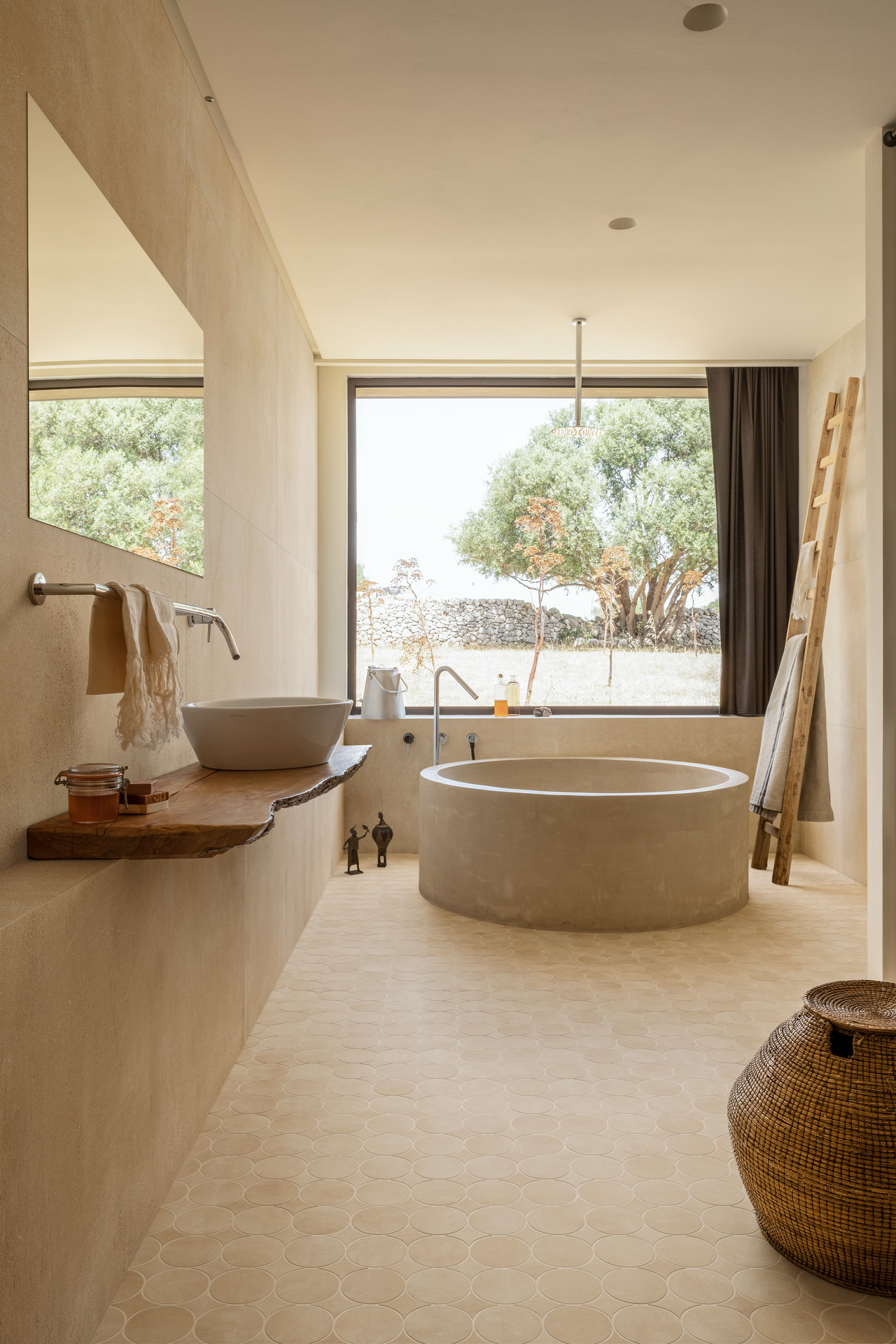
Terracotta-effect porcelain stoneware is most characteristically expressed in flooring, where it helps to create welcoming and natural atmospheres. Concrete effect, on the other hand, offers greater versatility between floors and walls, allowing for coordinated surfaces, textured backdrops, and rooms with a minimal or industrial character
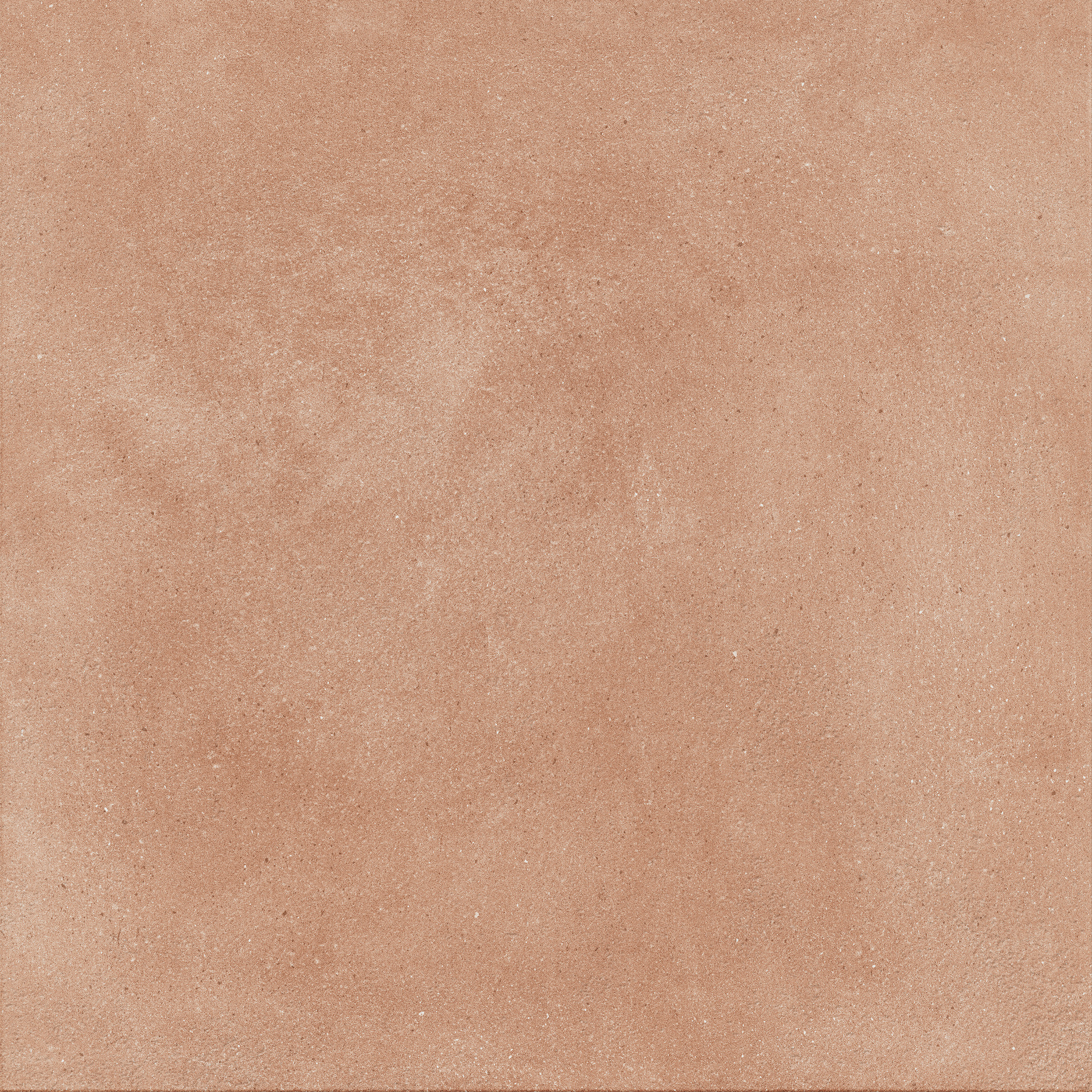
The color palette of the terracotta effect ranges from the deepest tones, close to red and burnt earth, to the more delicate shades of beige and natural colors.
Terracotta-effect porcelain floors are especially suitable for living areas, kitchens, and entrance halls, where they help define a warm and inviting atmosphere. They naturally fit into rustic, Mediterranean, or artisanal-inspired spaces, but can also become a distinctive feature in contemporary designs.
Among Marazzi’s offerings, the Slow collection interprets terracotta with richly nuanced and textured surfaces; the Terracotto collection instead enhances the authentic character of terracotta, providing solutions that add personality to spaces.
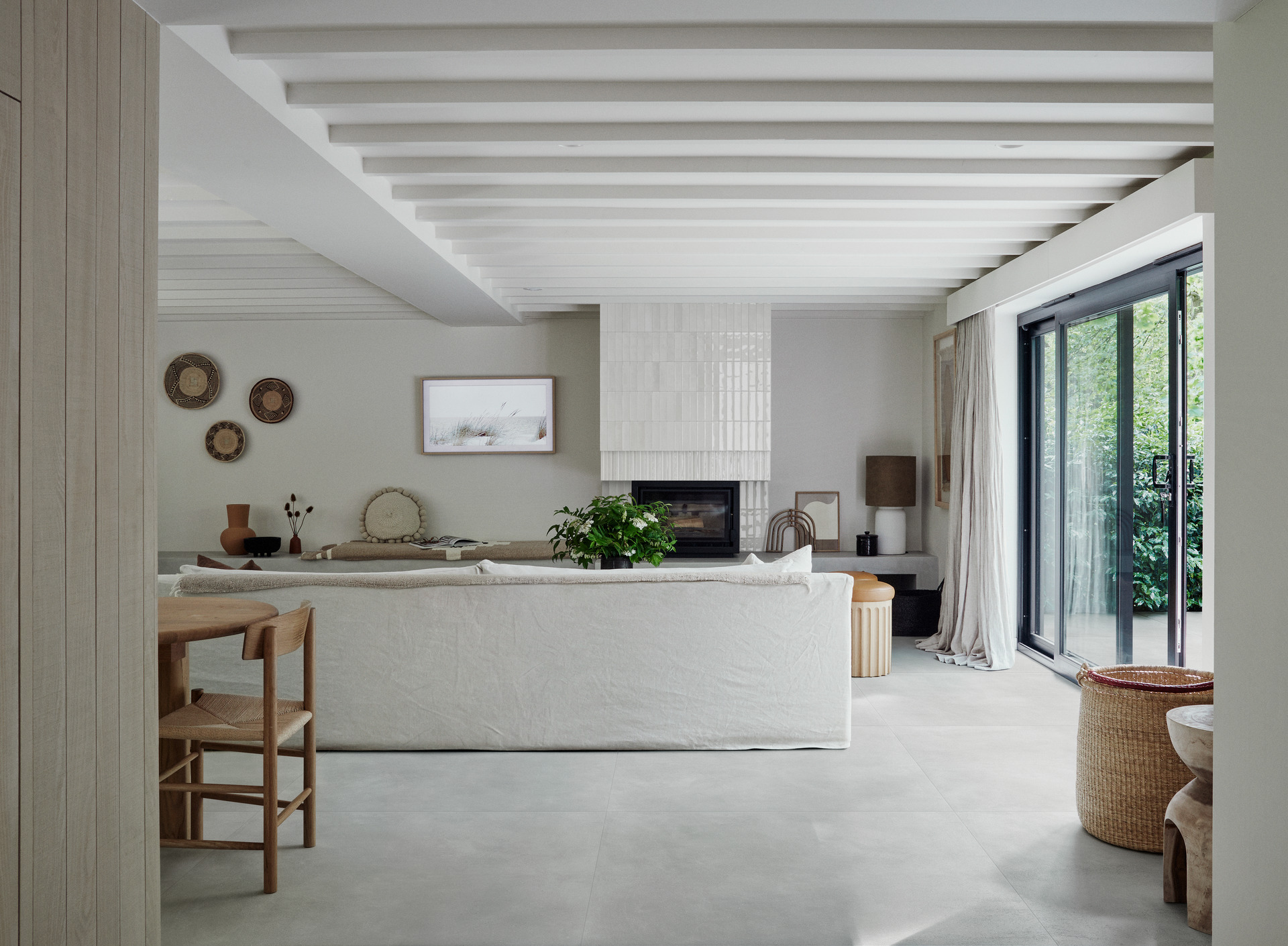
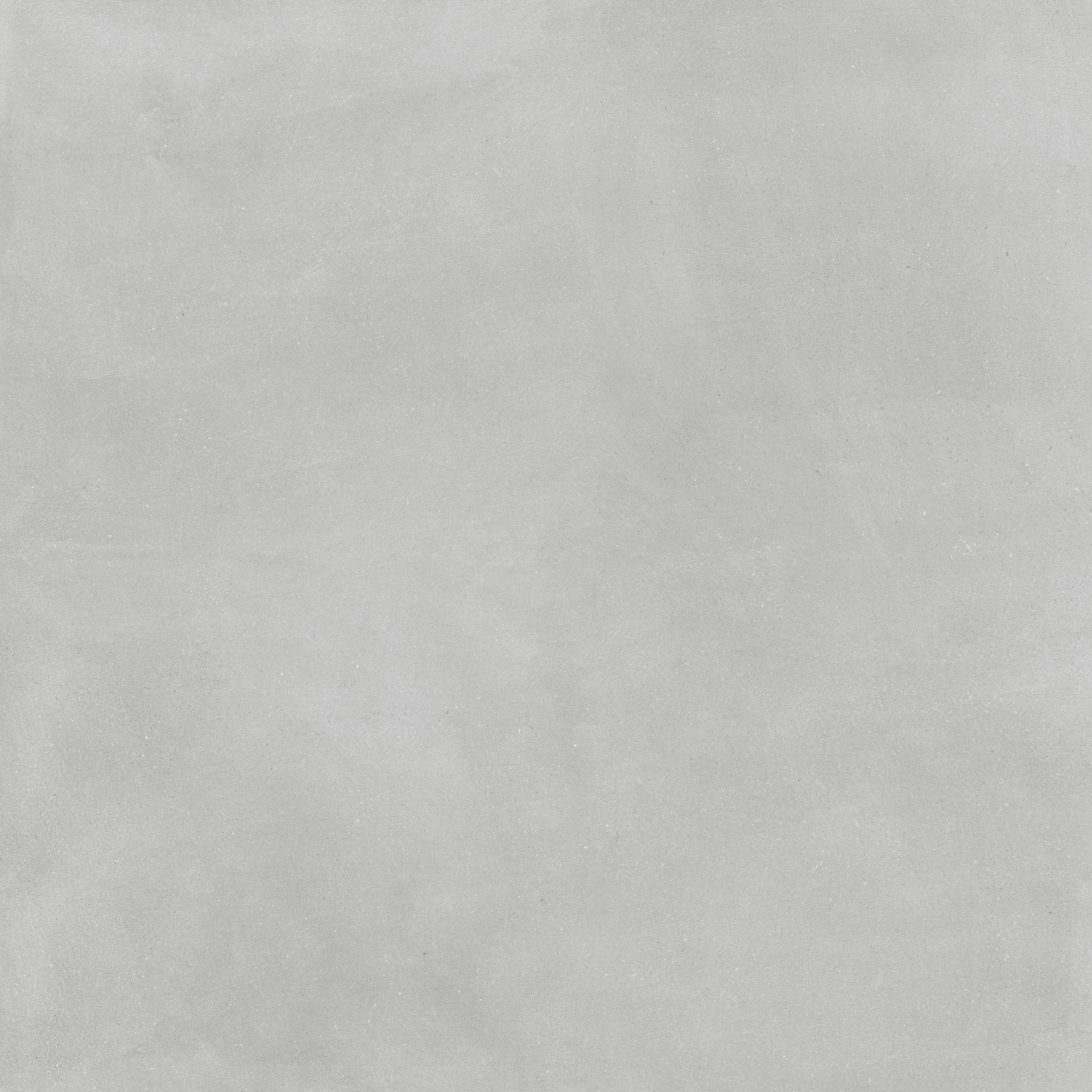
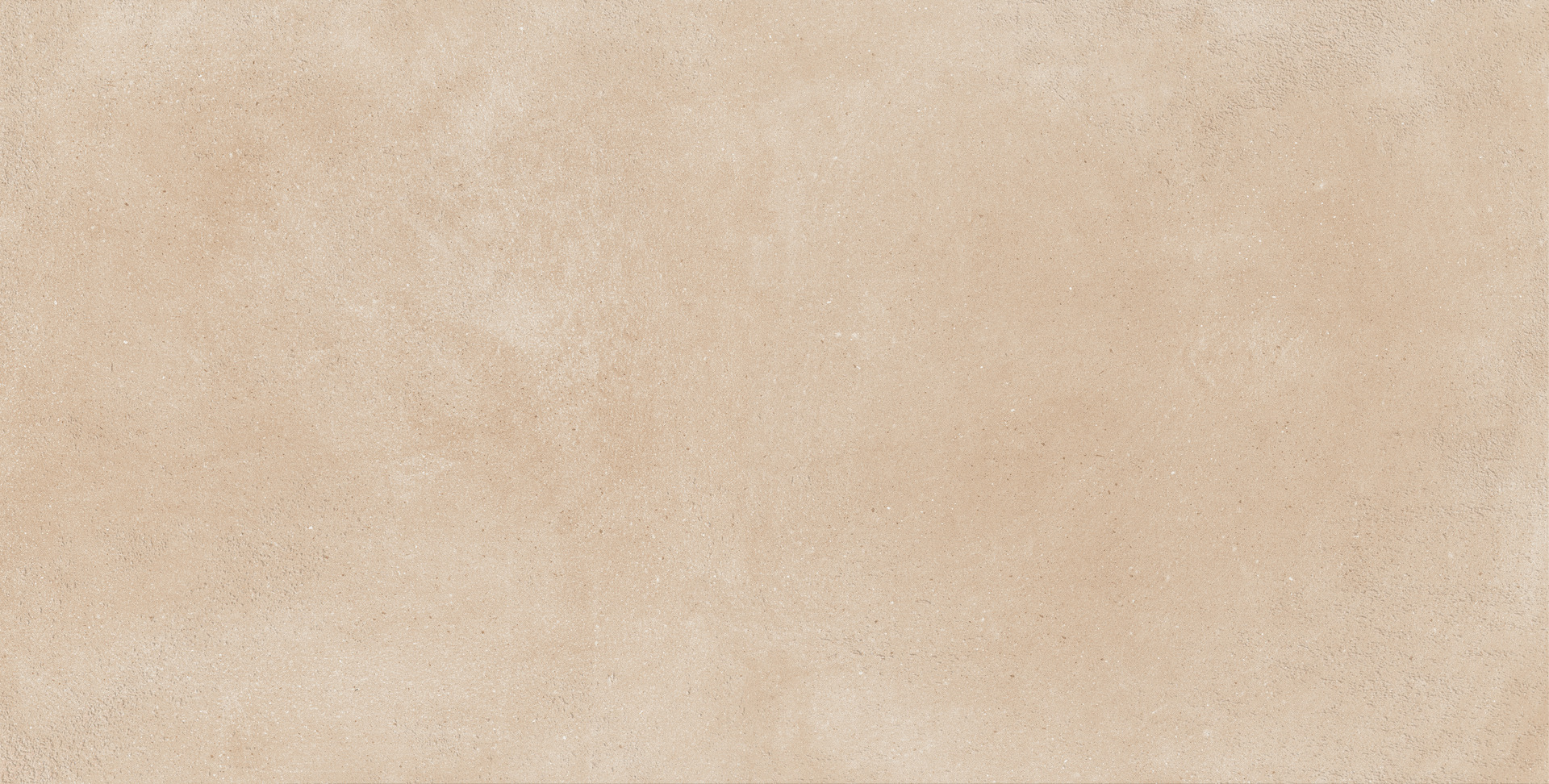
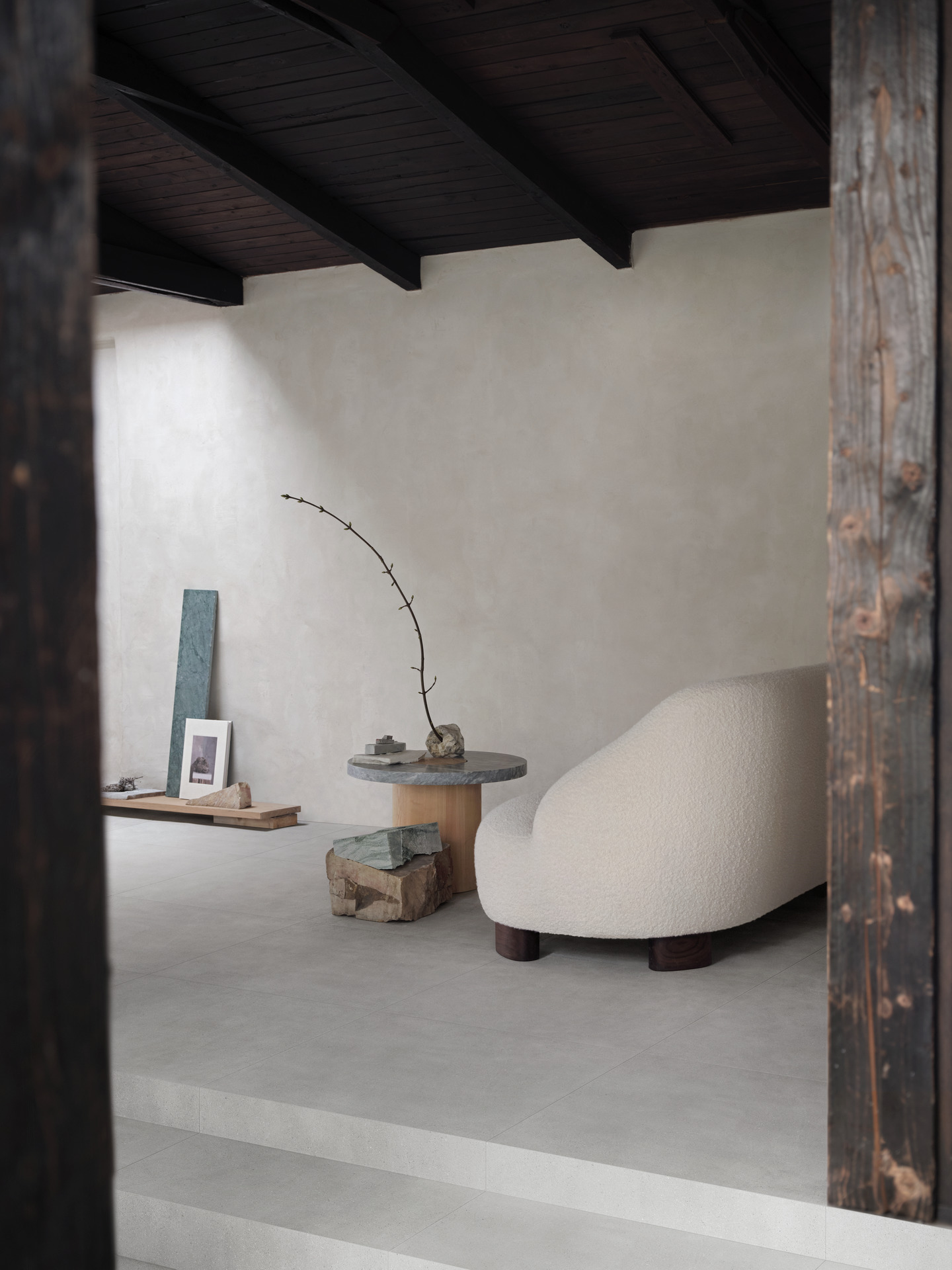
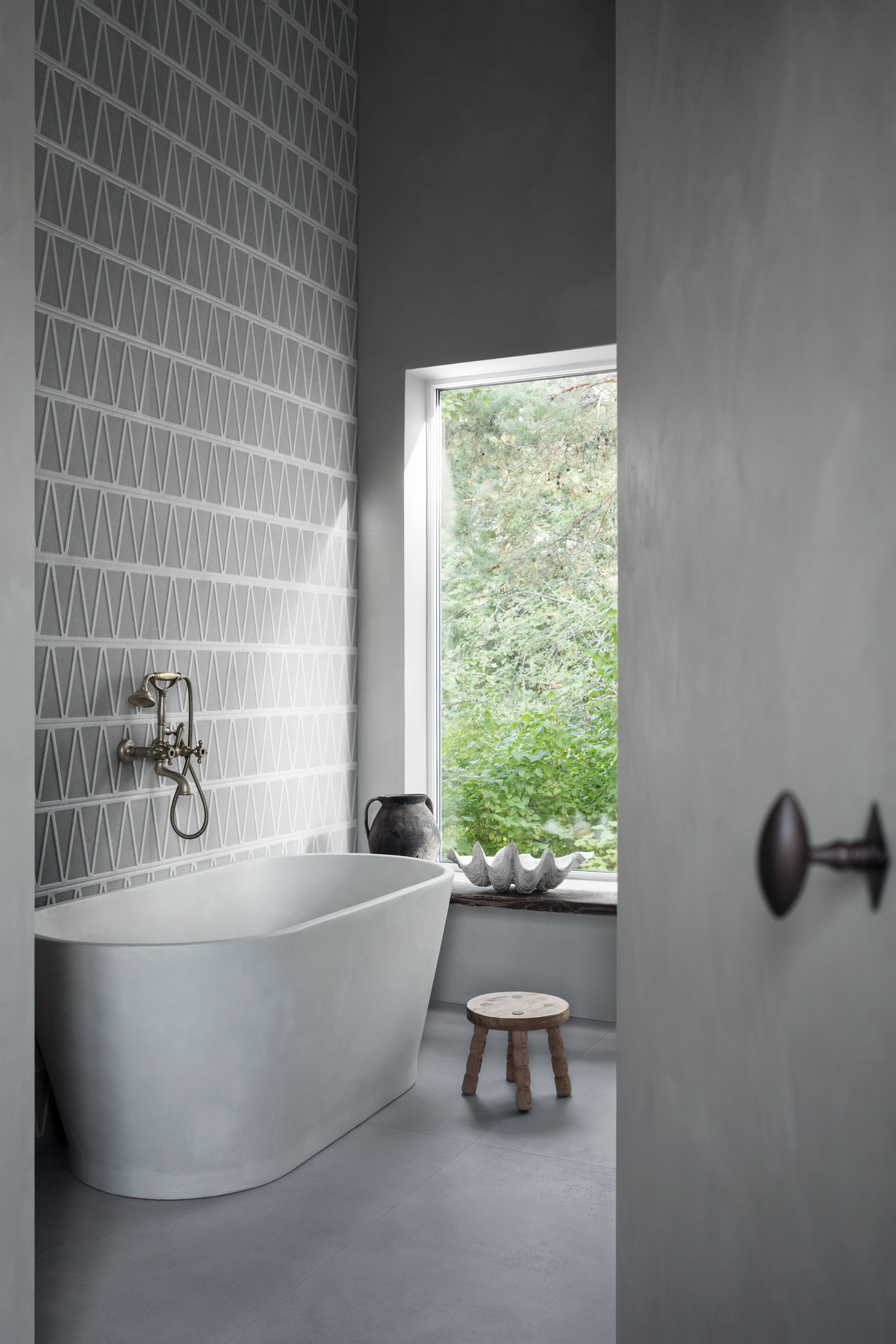
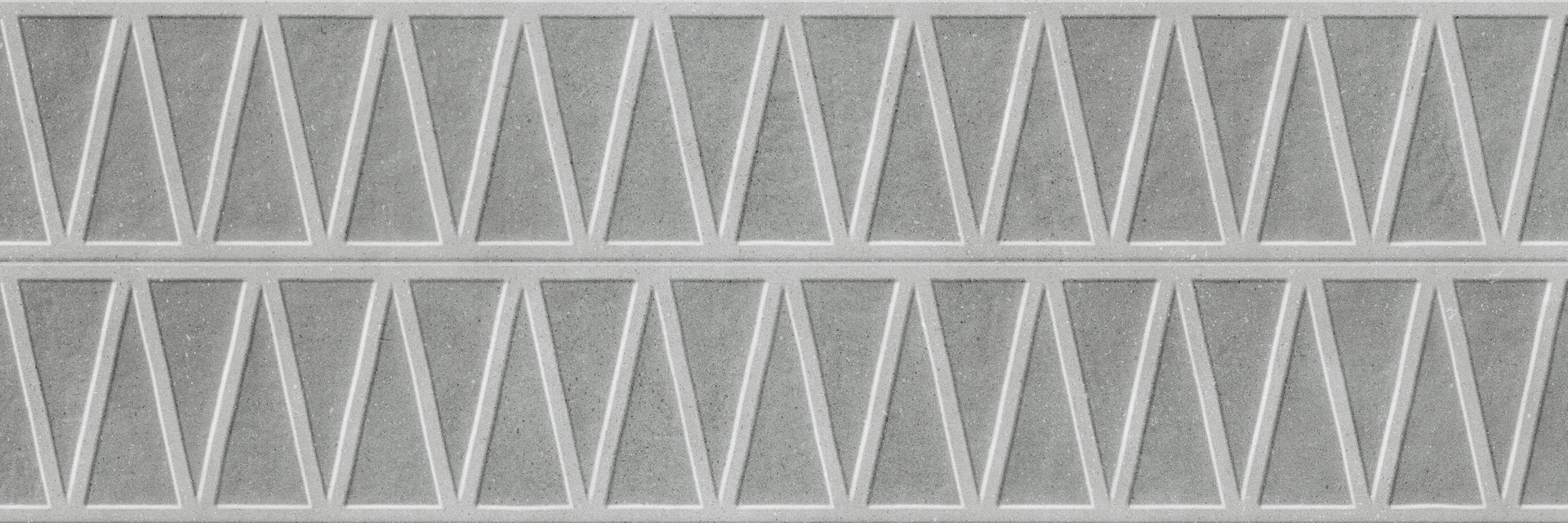
Concrete-effect porcelain stoneware stands out for its essential look, featuring textured surfaces and subtle nuances. The most representative shades include grey, greige, and beige — neutral colors that allow for balanced interiors.
In living rooms and open-plan spaces it helps define a contemporary, orderly style; in kitchens and bathrooms, it enables the creation of rooms with a minimal or industrial feel. On the wall, meanwhile, it becomes a textured backdrop that enhances the décor without weighing down the space.
The choice of size has a significant impact on the final result. For example, large-format porcelain slabs allow for fewer visible joints and create wide, continuous surfaces, particularly suitable for large spaces.
Marazzi collections interpret the concrete effect through a variety of solutions:
Read also: Grande Concrete Effect: Contemporary Surfaces in Porcelain Stoneware
Combining terracotta effect and concrete effect allows you to create spaces where warm tones and more neutral surfaces balance each other, giving rise to material and harmonious compositions.
One option is to use terracotta for flooring, to warm up the space, and reserve concrete effect for the walls, creating a contrast between the natural character of terracotta and the essential nature of concrete surfaces.
Alternatively, you can choose one of the two effects as the dominant element and introduce the other through selective surfaces or details, thus defining the room’s character without sacrificing overall design coherence.
Porcelain stoneware can also be used for countertops and worktops, creating an aesthetic link between architectural surfaces and furnishings. The concrete-effect options are those of the The Top Concrete Look Line.
Porcelain stoneware surfaces, whether in the concrete effect or terracotta effect versions, offer superior performance in terms of abrasion resistance, waterproofing, and dimensional stability, making them ideal for every room in the home.
From bathrooms to kitchens, to living rooms and bedrooms, each surface maintains a refined look and high functionality, even in humid contexts such as verandas and gardens.
Thanks to its low porosity, the material is water-resistant, withstands temperature swings and ultraviolet radiation, and is perfectly compatible with radiant systems and heated floors.
Concrete-effect and terracotta-effect porcelain stoneware are designed to ensure long-lasting durability, without warping or losing their aesthetic integrity. Their compact surface, achieved through a high-temperature production process, prevents liquid absorption and ensures easy maintenance. These tiles are a reliable, resilient, yet elegant choice.
The difference mainly concerns the look of the surfaces: terracotta and concrete effects replicate the materiality of the original materials, with shades, textures, and details reminiscent of terracotta or concrete surfaces.
Encaustic-effect tiles, on the other hand, are inspired by traditional decorative cement tiles, featuring geometric patterns, designs, and color combinations. The D_Segni collection is an example, with patterns that allow you to create floors and walls with a graphic and ornamental character.
Terracotta-effect porcelain stoneware is not reserved solely for rustic or traditional spaces. Contemporary reinterpretations of terracotta allow it to be used even in minimal rooms, where warm tones become a contrasting element with essential furnishings and neutral surfaces.
Some terracotta-effect collections offer modular formats and relief structures that allow you to personalize the surface through compositions and plays of texture.
