








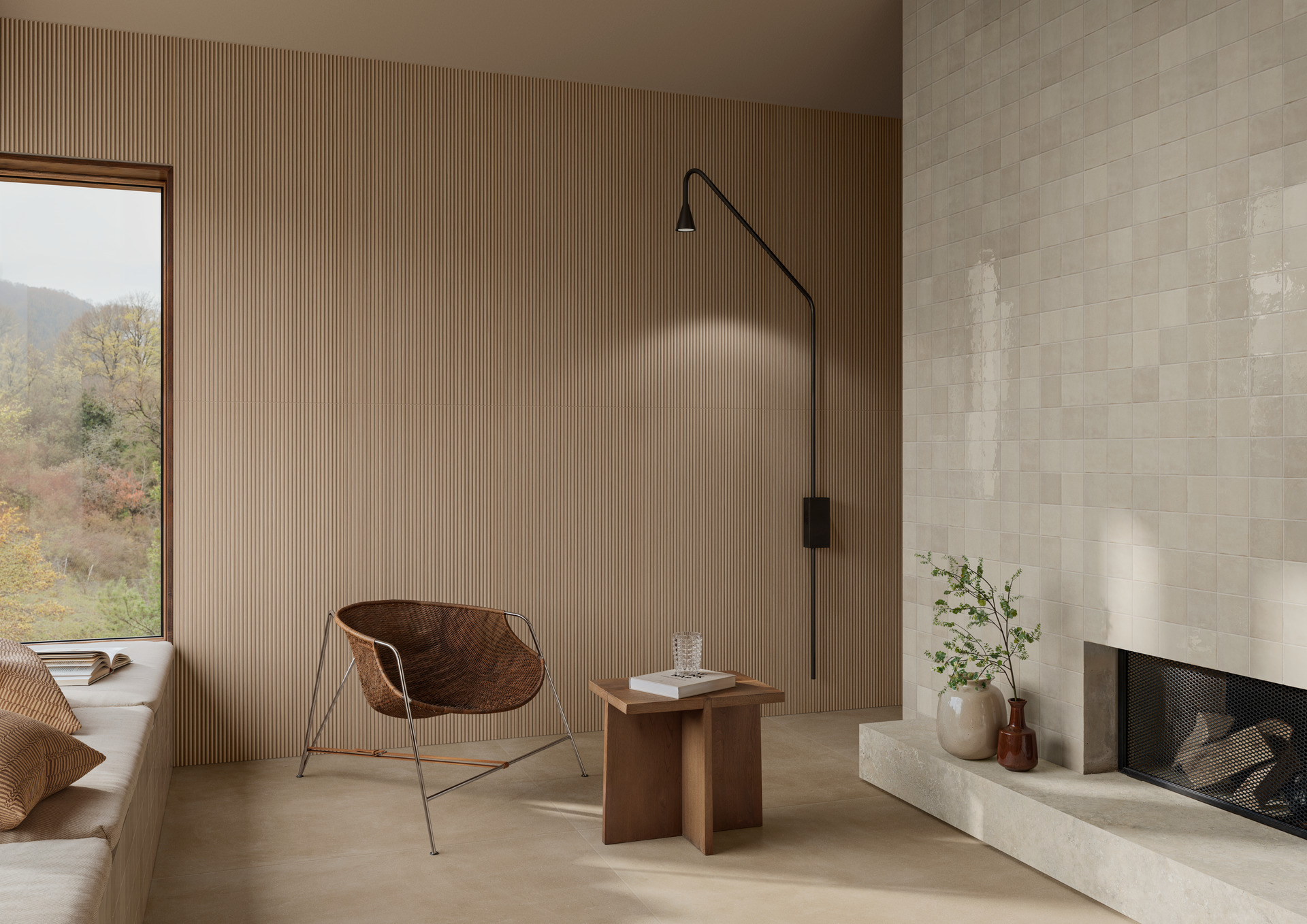
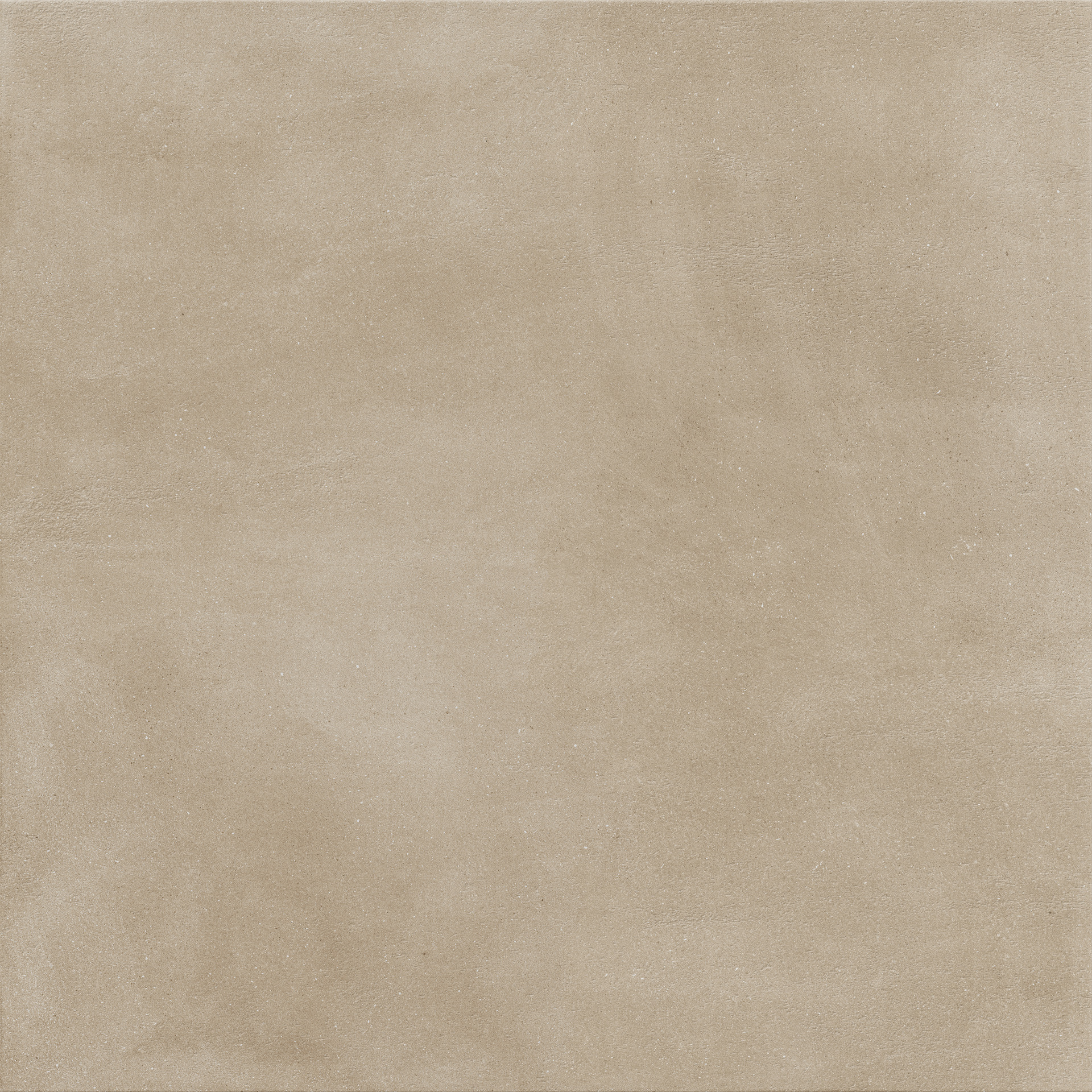
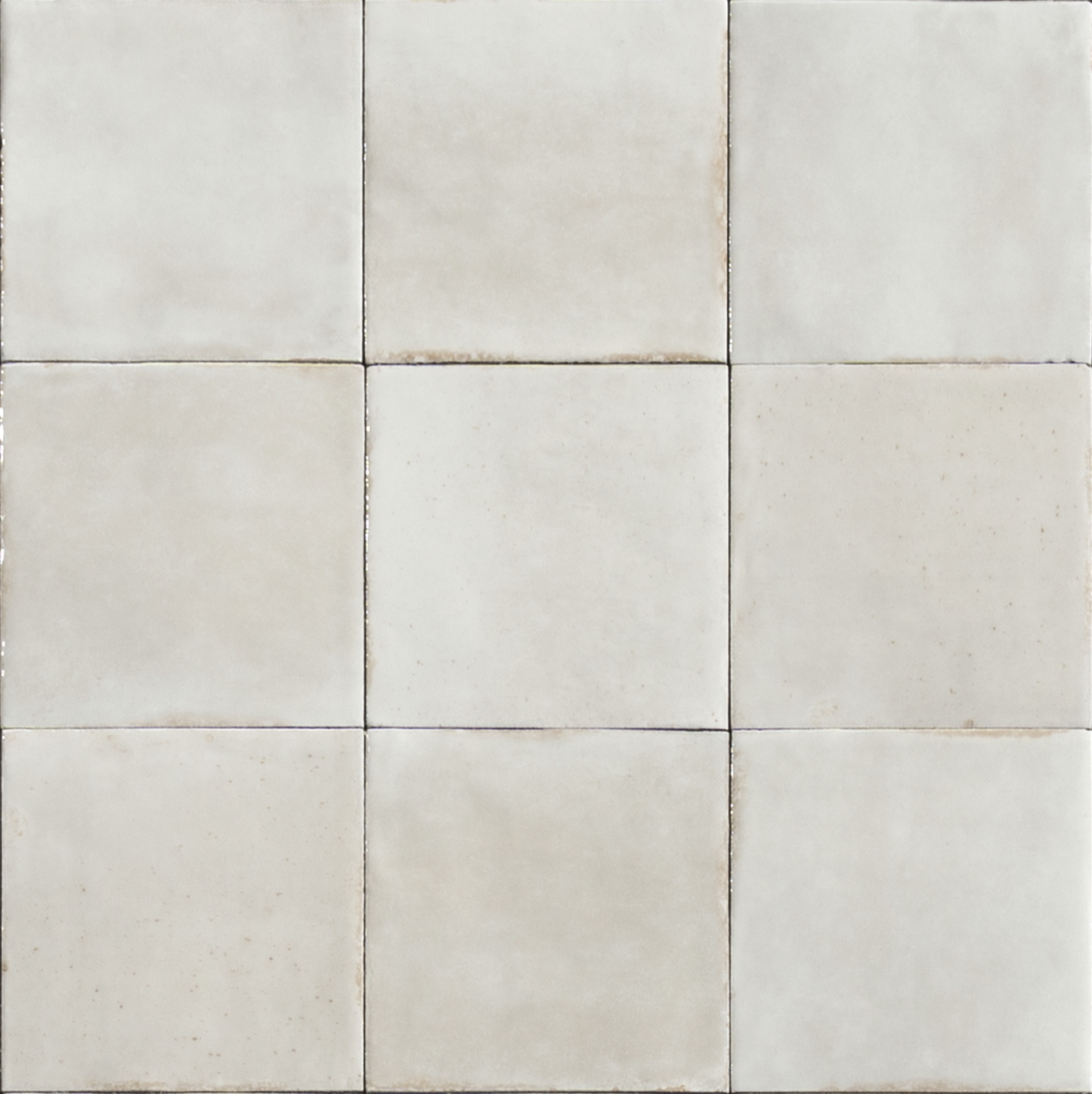
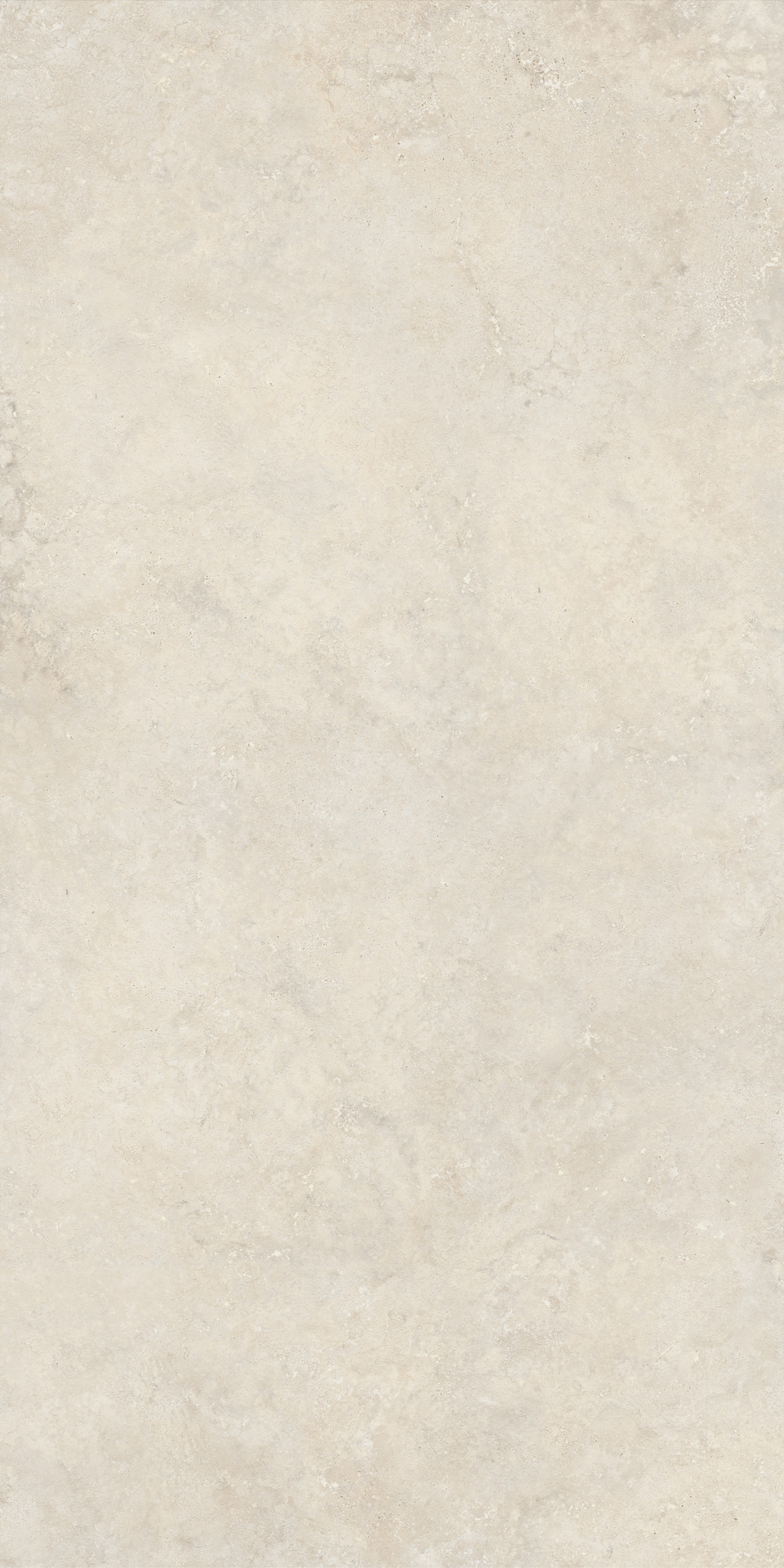




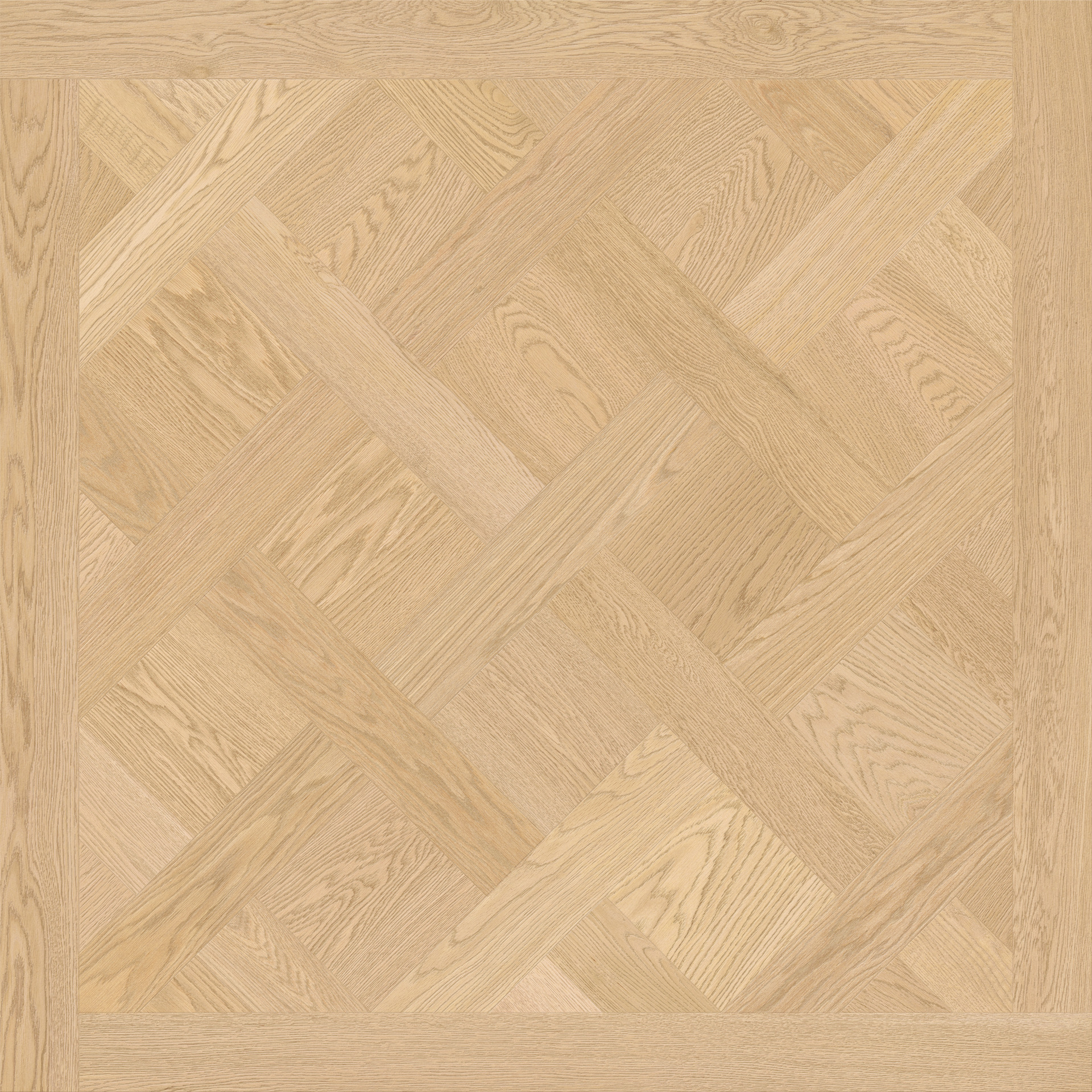


Nobilis
- Colors 3
- Surfaces 1
- Sizes 3





The warmth and grain of wood in a porcelain stoneware surface that stands the test of time, ideal for flooring and wall coverings both indoors and outdoors. Discover the wood-effect collections, from light oak shades to the deepest, richest wood tones.

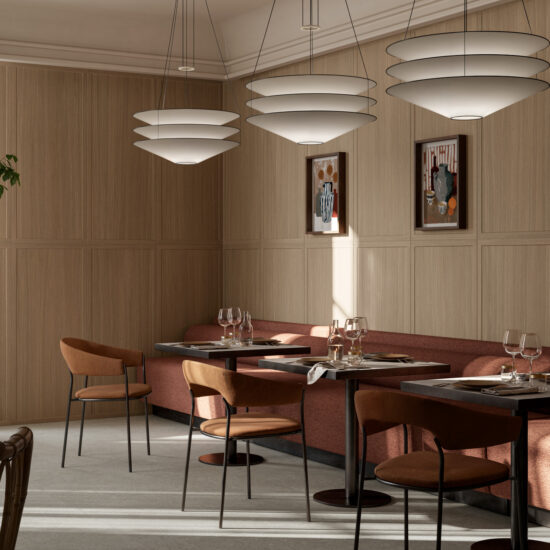
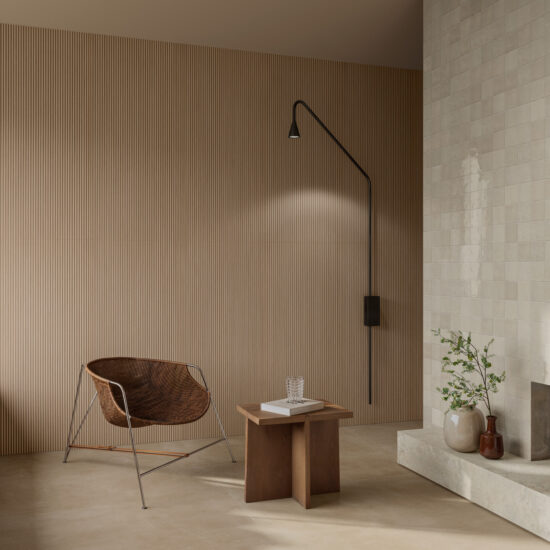
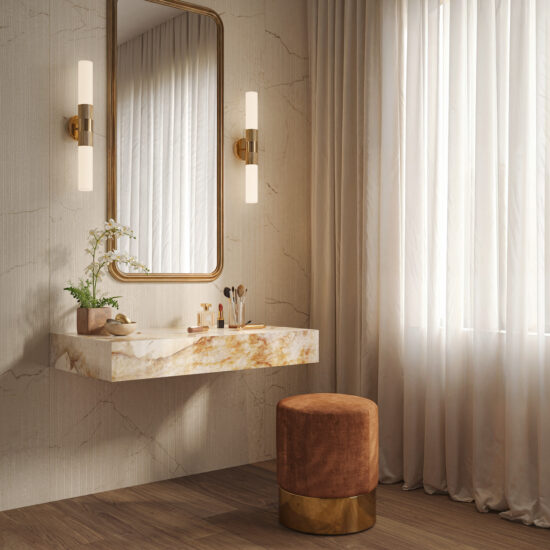


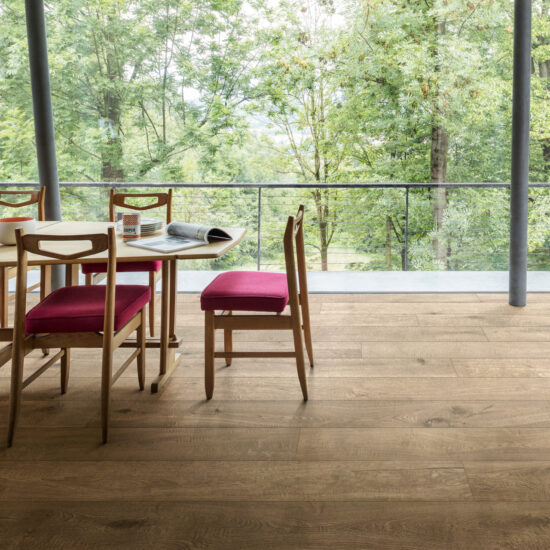
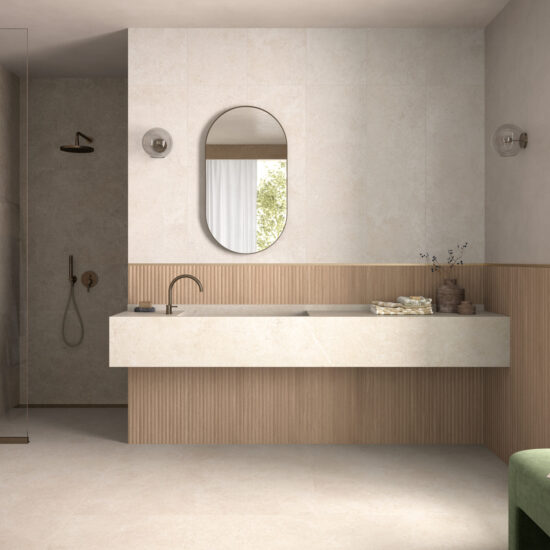
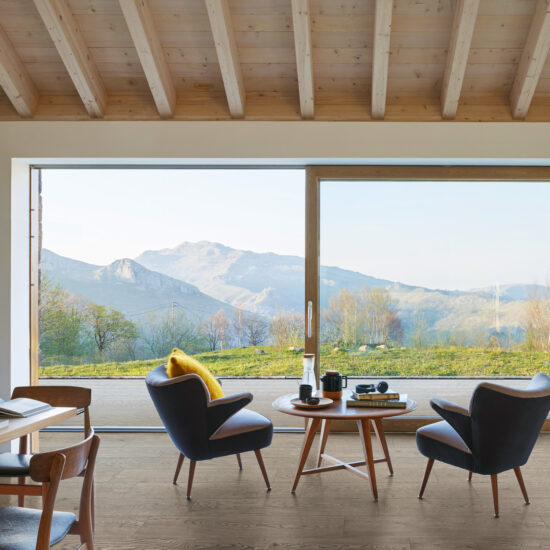
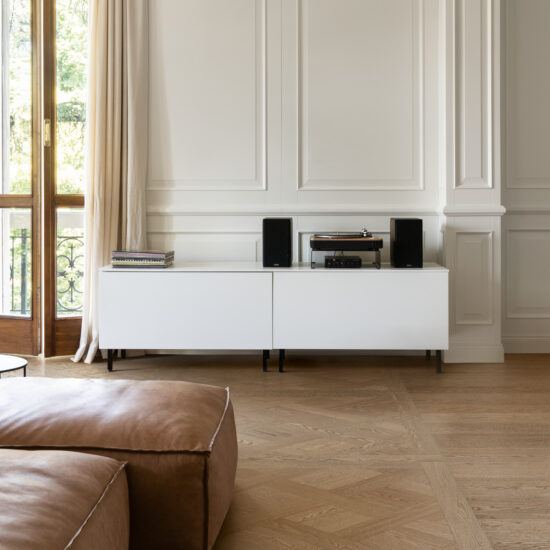

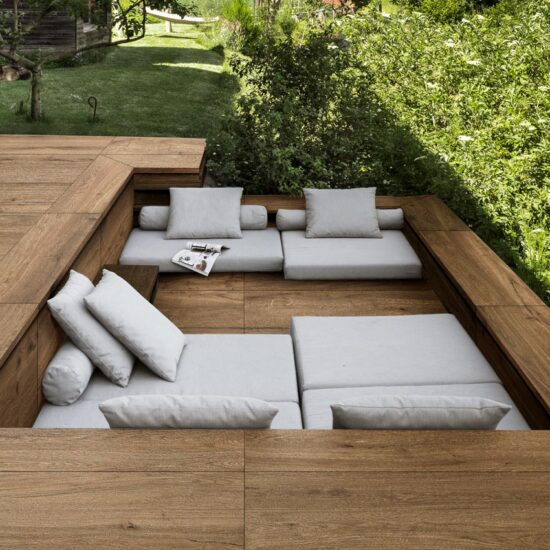


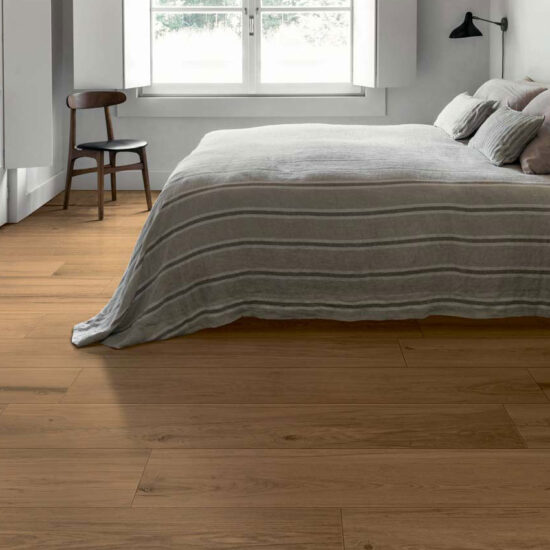
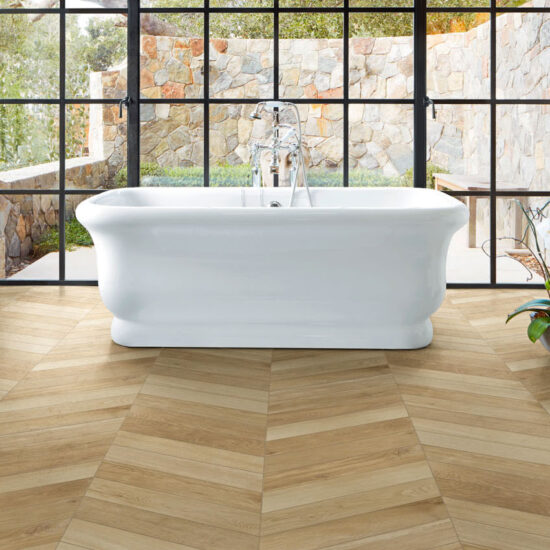

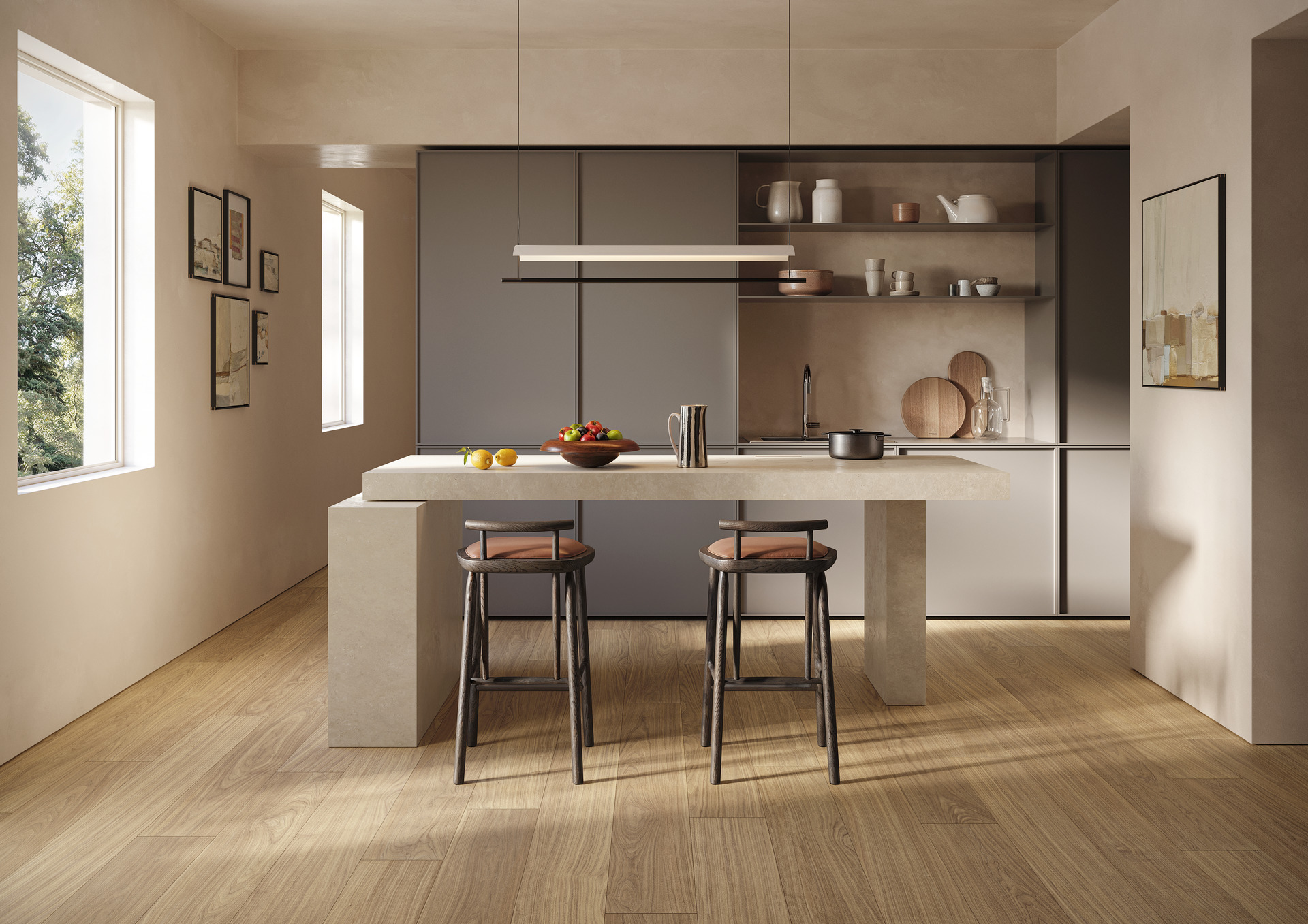
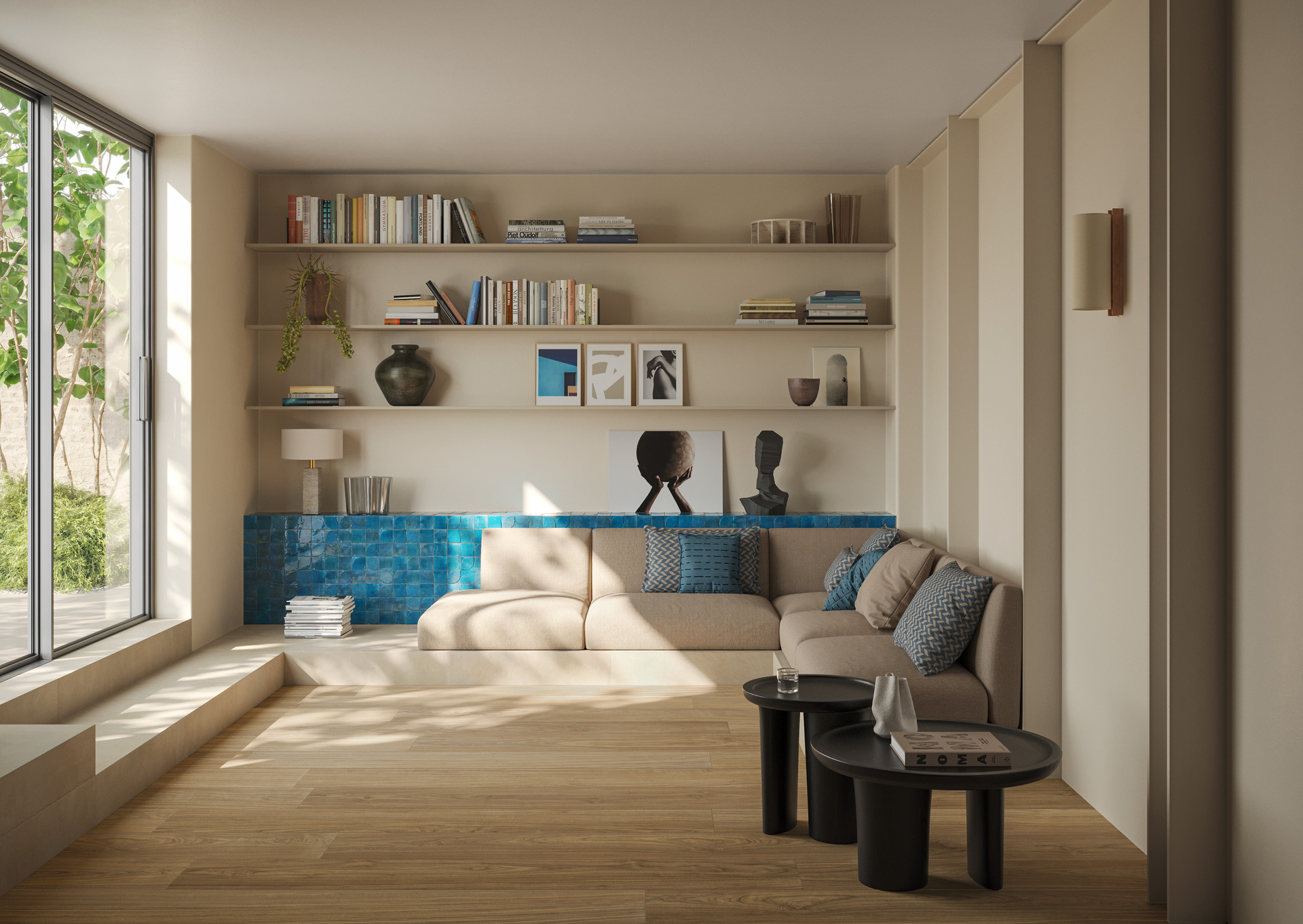
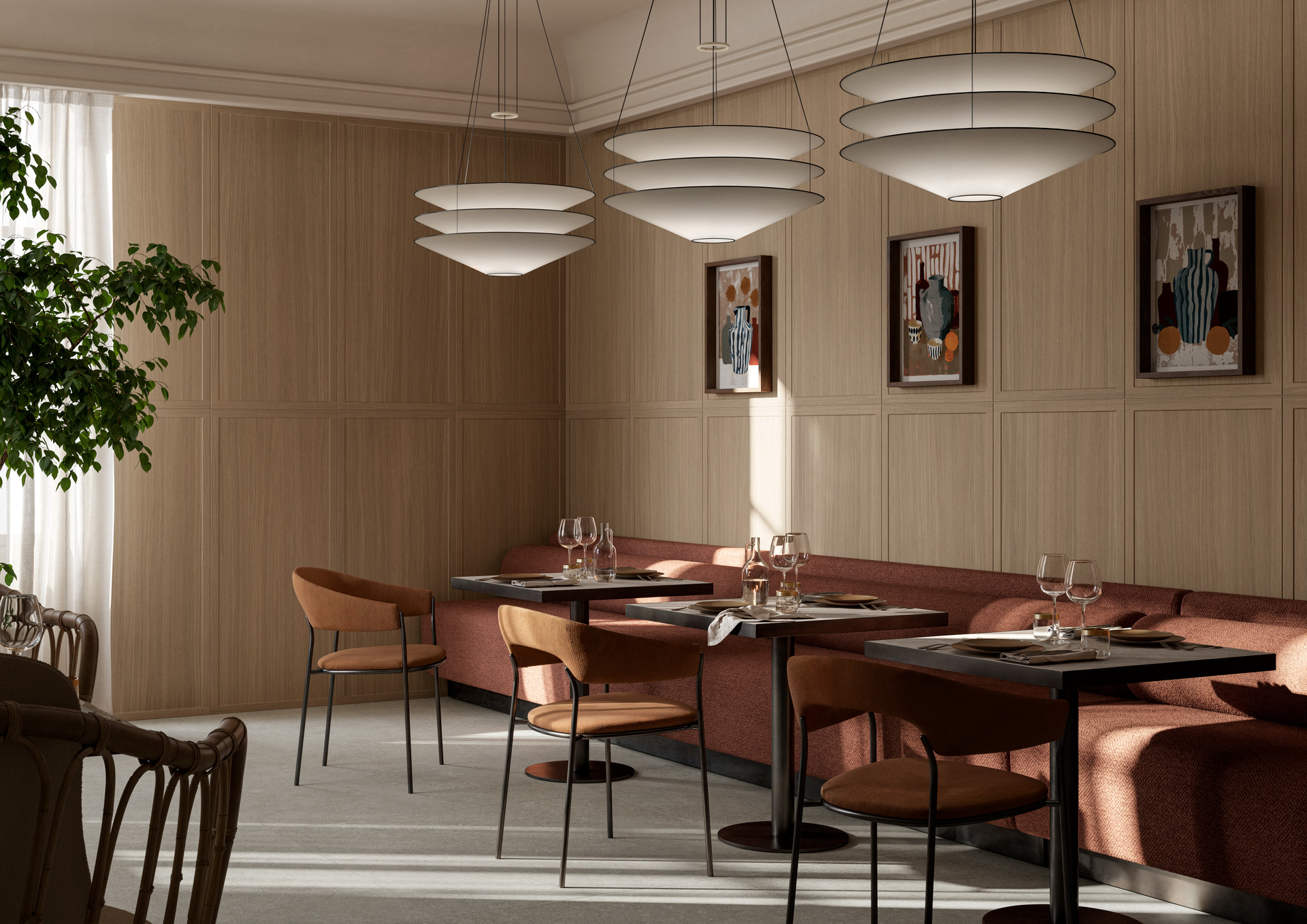
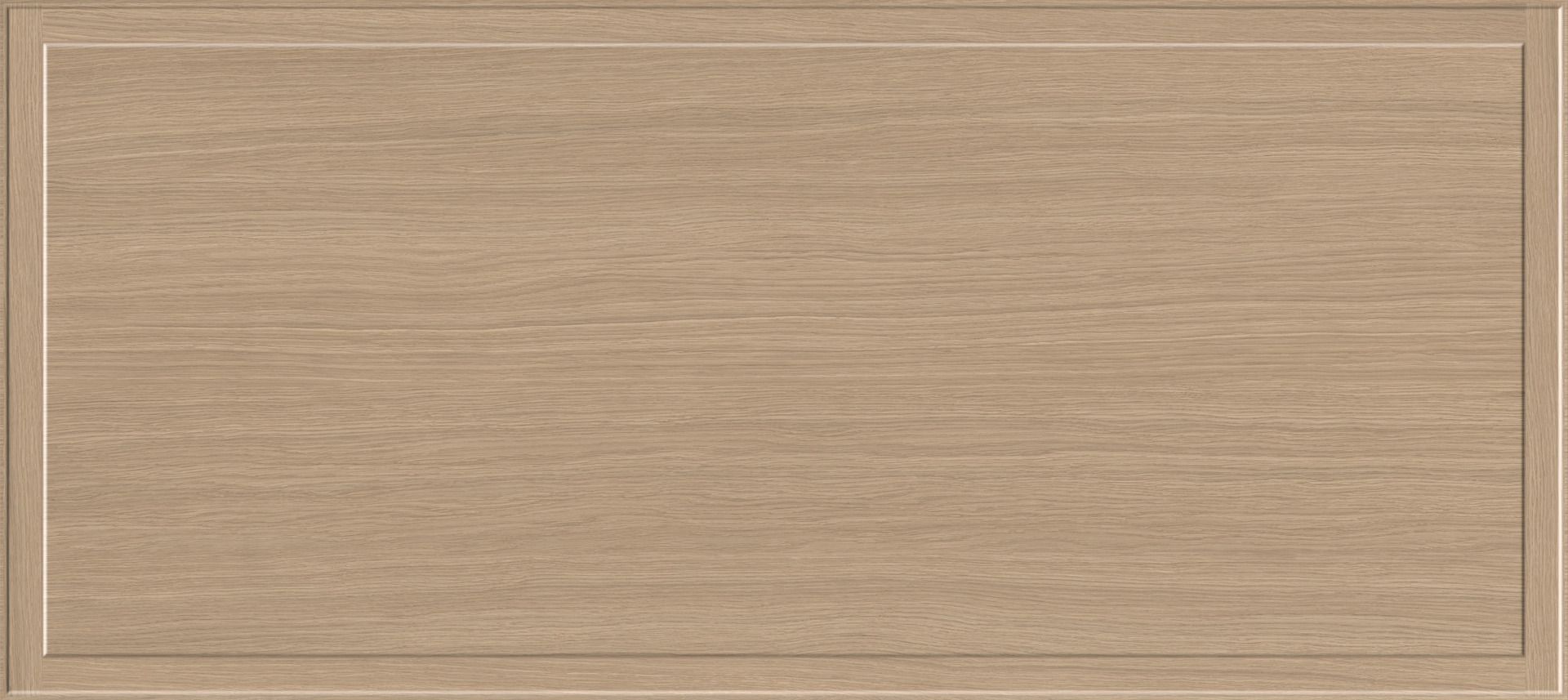
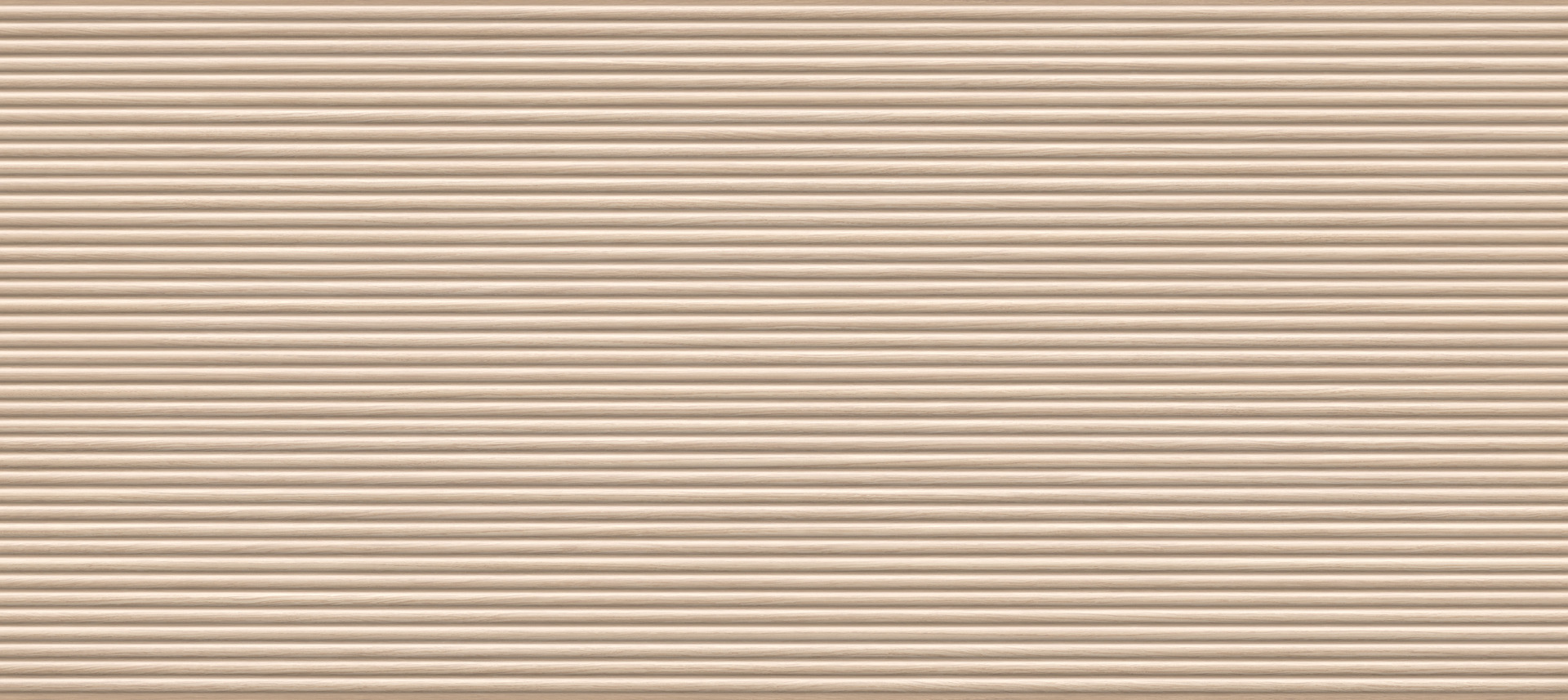
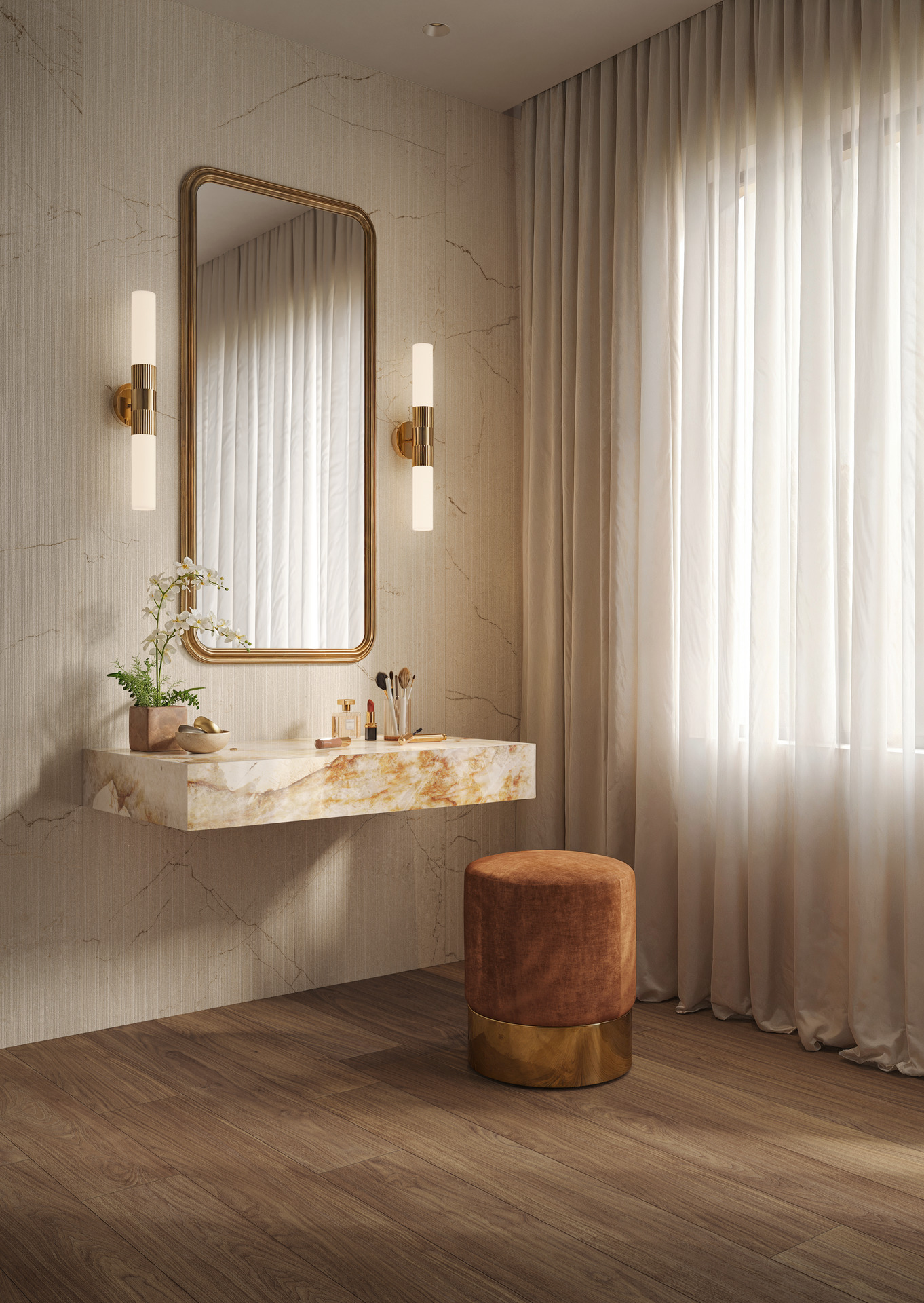
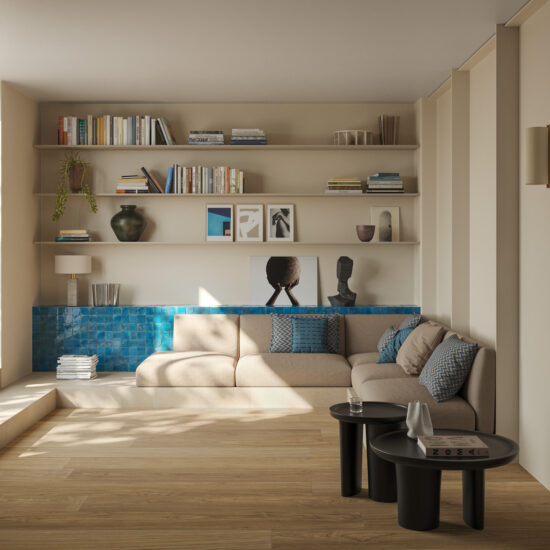
To choose the most suitable wood-effect porcelain stoneware for your project, it's best to start with three elements: shade, size, and finish. For outdoor spaces and high-traffic areas, the choice should focus on collections designed to withstand heavy use and moisture. To learn more, also read the guide to choosing the best wood-effect porcelain stoneware. Wood grain, knots, color variations, and plank rhythm are the features that define the character of a wood floor. Wood-effect porcelain stoneware reproduces these details and translates them into a ceramic surface capable of recreating the same visual sensation as parquet. The advantage is being able to maintain this aesthetic language even in spaces where natural wood may be less practical, thanks to a stable, resistant, and durable surface. Marazzi collections interpret the wood-effect in different ways: Flooring is one of the most natural applications of wood-effect porcelain stoneware, as it allows you to connect different rooms in the house with the same visual language and, with the dedicated surfaces, to extend the look to terraces and outdoor areas as well. In the living room and bedroom, wood-effect porcelain stoneware creates a continuous visual base that easily matches furniture, doors, and other elements in the design. The choice between light or dark floors helps define the perception of space and the overall atmosphere of the room: thanks to the shades and intensity of the wood grain, you can achieve brighter and lighter spaces or more enveloping and textural ones. The wide variety of Marazzi collections responds to every interpretation, naturally evoking wood in all its nuances. The solutions dedicated to the bathroom allow you to choose surfaces that meet the specific needs of this space. Among the advantages of wood-effect porcelain stoneware flooring in bathrooms are the practicality and resistance of porcelain stoneware, combined with an aesthetic effect able to bring warmth and comfort even to a space where cold and functional surfaces usually prevail. Thanks to the technical and frost-resistant properties of porcelain stoneware, the wood-effect can continue onto terraces, gardens, balconies, porches, and other exposed areas with collections designed for outdoor use and for visual continuity between indoor and outdoor spaces. The look remains that of wood, but the technical features of the tile meet the needs for durability and keep their beauty unchanged over time. Vero20, for example, reprises the Vero aesthetic in a thicker version, designed for outdoor spaces. If installed with adhesive and as recommended, the 20 mm collections can also be used in driveways, making porcelain stoneware an excellent choice for parking areas, garages, and high-traffic zones. The Oltre collection also interprets the wood-effect for outdoor use, with an extra-matt surface designed to offer high performance. The shades range from light and bright oaks to honey tones, through to deep browns and greys: a variety that allows you to create very different moods and coordinate the floor with furnishings, walls, and coverings. Nuances inspired by whitewashed oak, natural wood, and honey bring brightness and lightness to the room and represent a versatile choice for both contemporary and more classic interiors. To keep a light and harmonious palette, wood-effect flooring can be paired with white tiles or surfaces in beige shades, creating tone-on-tone combinations between floor and wall coverings or playing with similar nuances. Deep browns highlight the depth of the wood grain and help create a more enveloping and intimate atmosphere, while grey shades reinterpret wood in a more neutral and contemporary way. The latter are particularly suited to combinations with concrete, stone, and minimalist surfaces: grey tiles allow you to continue the same color theme on walls and coverings, or to create pairings between different materials while maintaining a consistent palette. Long boards and large formats create a continuous, seamless surface, which opens up the space and recalls the look of parquet planks. Shorter planks, on the other hand, create a tighter, more compact pattern, suitable for spaces where a more dynamic design is desired. The installation pattern can also significantly change the final result. Herringbone installation, for example, introduces a more decorative rhythm and recalls the character of traditional parquet floors, reinterpreted with a contemporary twist. Yes. Porcelain stoneware is compatible with underfloor heating systems and allows for even heat distribution. The final result still depends on the features of the system, the subfloor, and the installation, which should be assessed together with the technician or installer. Yes, by choosing rectified formats, which allow for narrow, discreet grout lines and help make the floor look more continuous. Wood-effect porcelain stoneware requires simple, routine maintenance and can be cleaned with regular daily detergents, as long as they're suitable for ceramic surfaces. Read also: How to clean porcelain stoneware Both options are possible. Continuing the wood-effect on the walls as well creates a more enveloping and cohesive space. This is the case, for example, with Boiserie, a white-body collection designed for wall installation. Alternatively, you can create a contrast between different materials, pairing wood with a stone effect, a marble effect, or terracotta and concrete effect. In this way, the floor maintains its role as a warm, natural base, while the wall introduces a different material.
Marazzi Recommends
Wood-effect porcelain stoneware: the parquet look in a durable surface
Wood-effect floors for every room in the home and for outdoor spaces
Wood-effect in living areas and bedrooms: continuity and warmth
Wood-effect in the bathroom: the warm floor for a wet area
Wood-effect for outdoors and continuity between indoors and outdoors
Wood-effect porcelain stoneware shades: from light oak to dark tones
Light tones, from whitewashed oak to honey
Dark tones and greys, for a bolder space
Sizes and installation patterns: planks, boards, and herringbone
Frequently asked questions about wood-effect porcelain stoneware
Is wood-effect flooring compatible with underfloor heating?
Is it possible to have barely visible grout lines for a more seamless effect?
How do you clean and maintain wood-effect flooring?
For the walls, should you continue the same wood or combine it with another effect?
