

















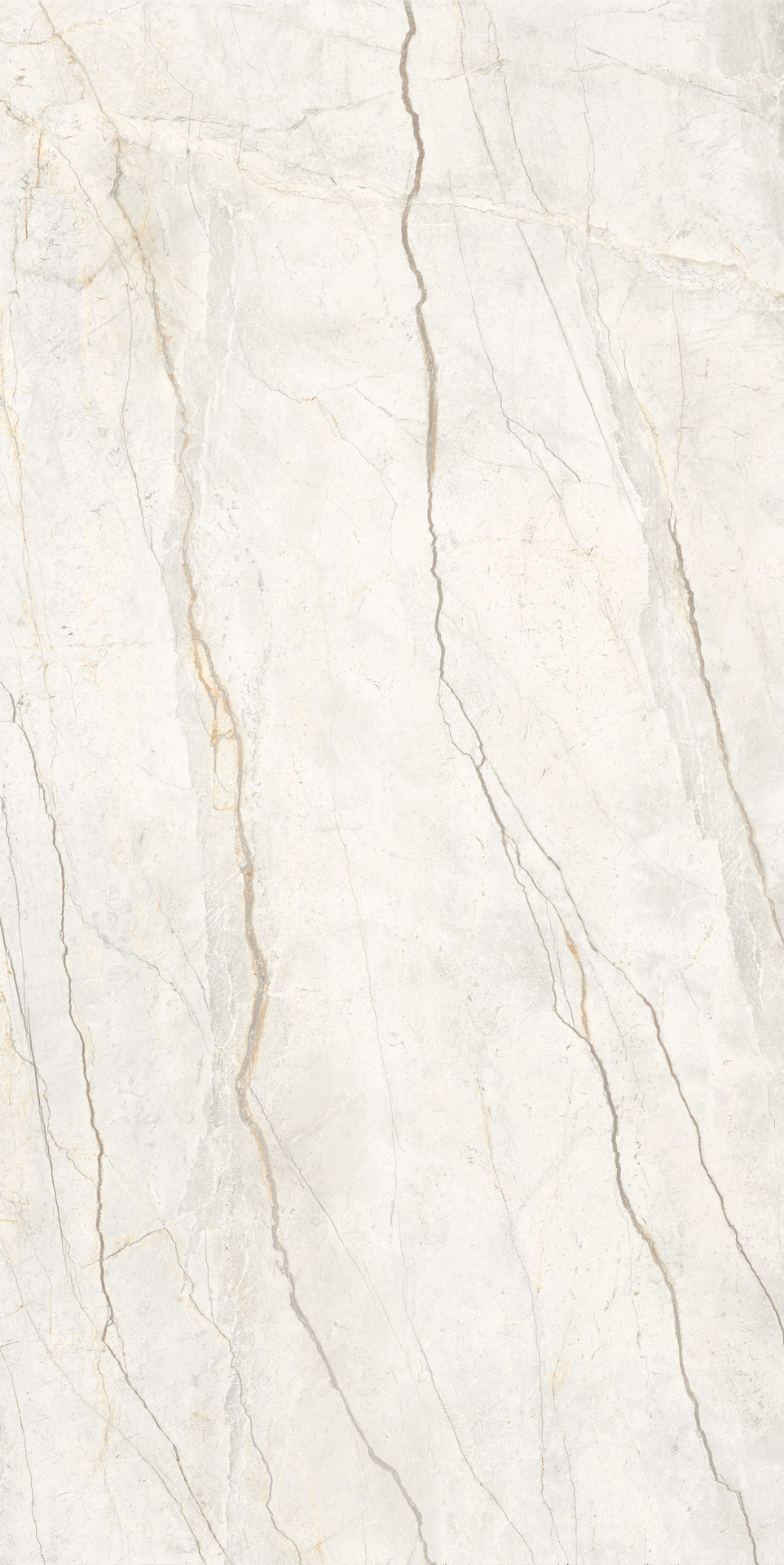
Grande Stone Look
- Colors 36
- Surfaces 5
- Sizes 4





Explore tile and wall covering solutions for shower walls and trays. From walk-in designs to more traditional enclosures, porcelain stoneware and ceramic allow you to design a functional shower area, coordinated with the rest of the bathroom and refined in every detail.
Porcelain stoneware tiles and coverings for the shower


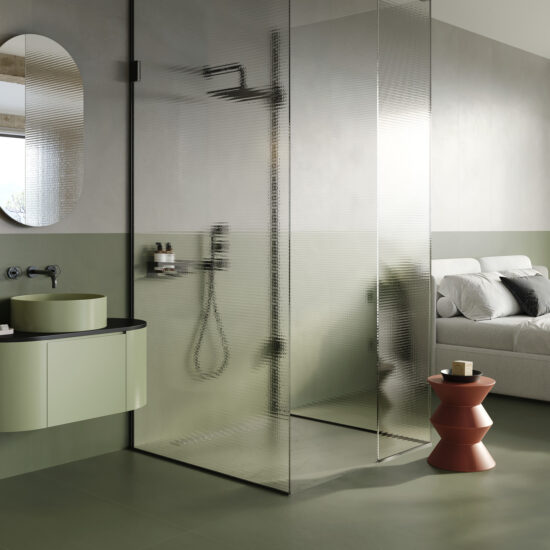
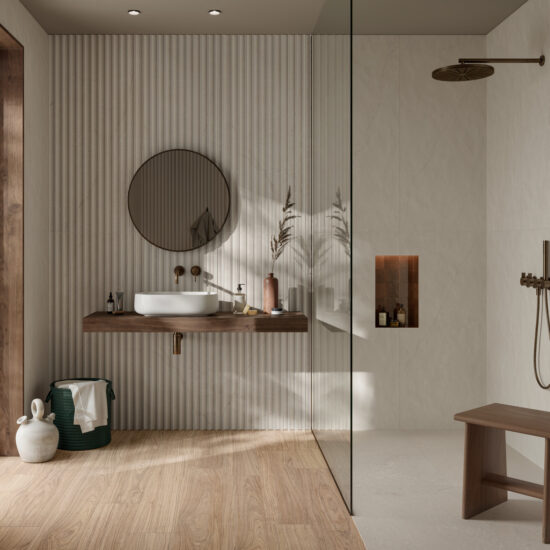
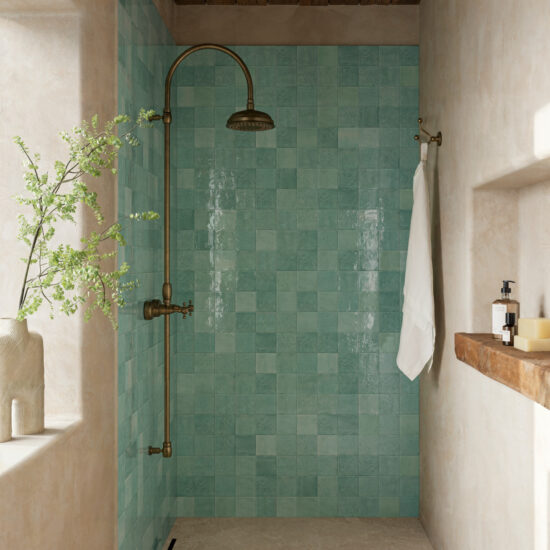
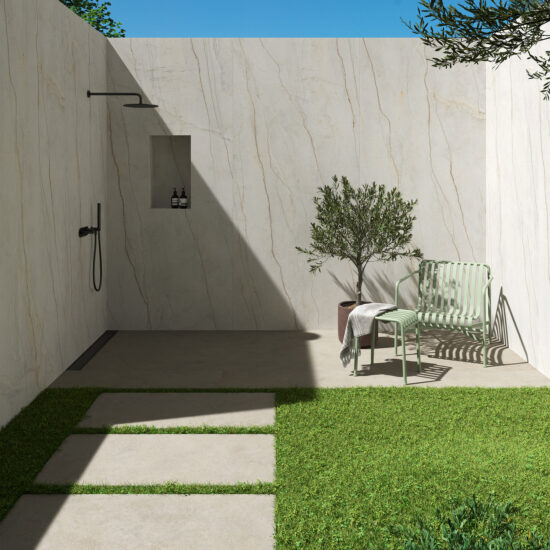


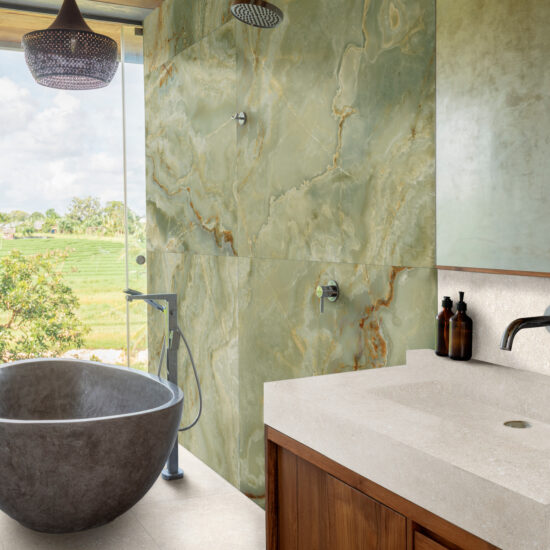
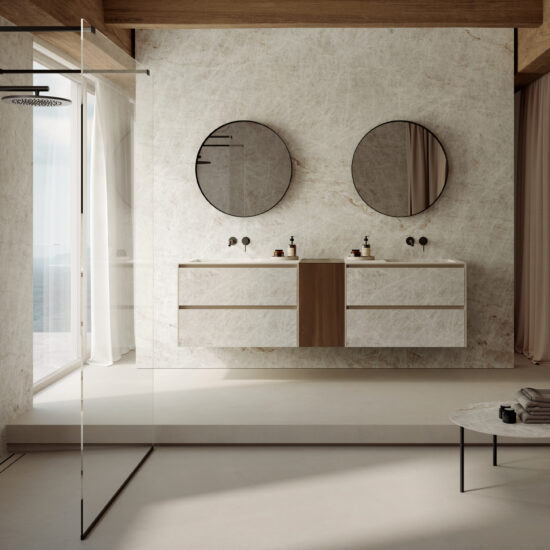
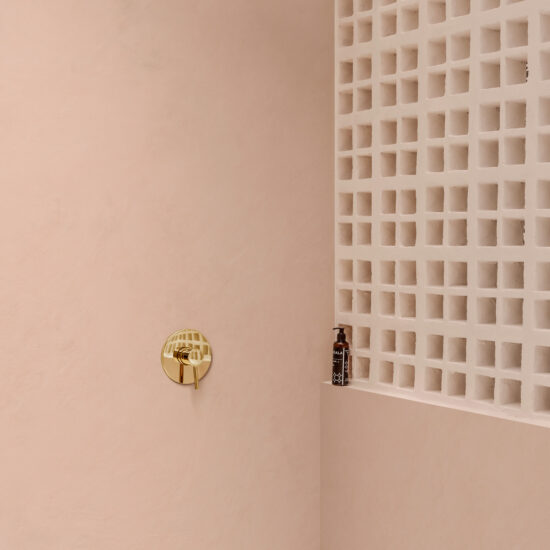
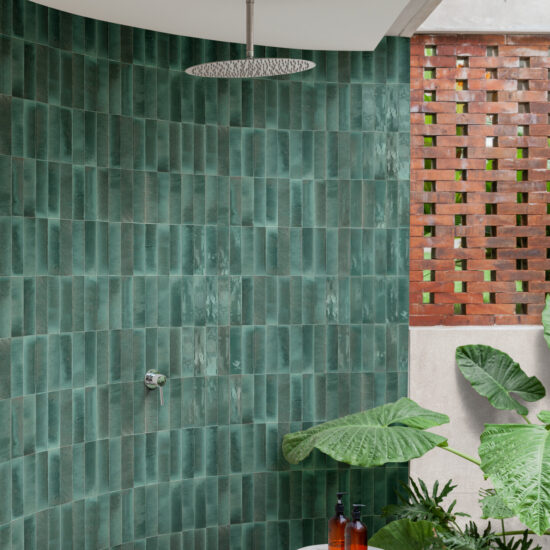
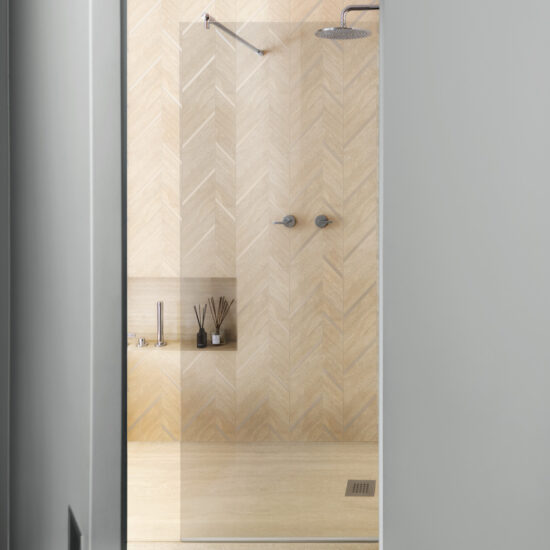
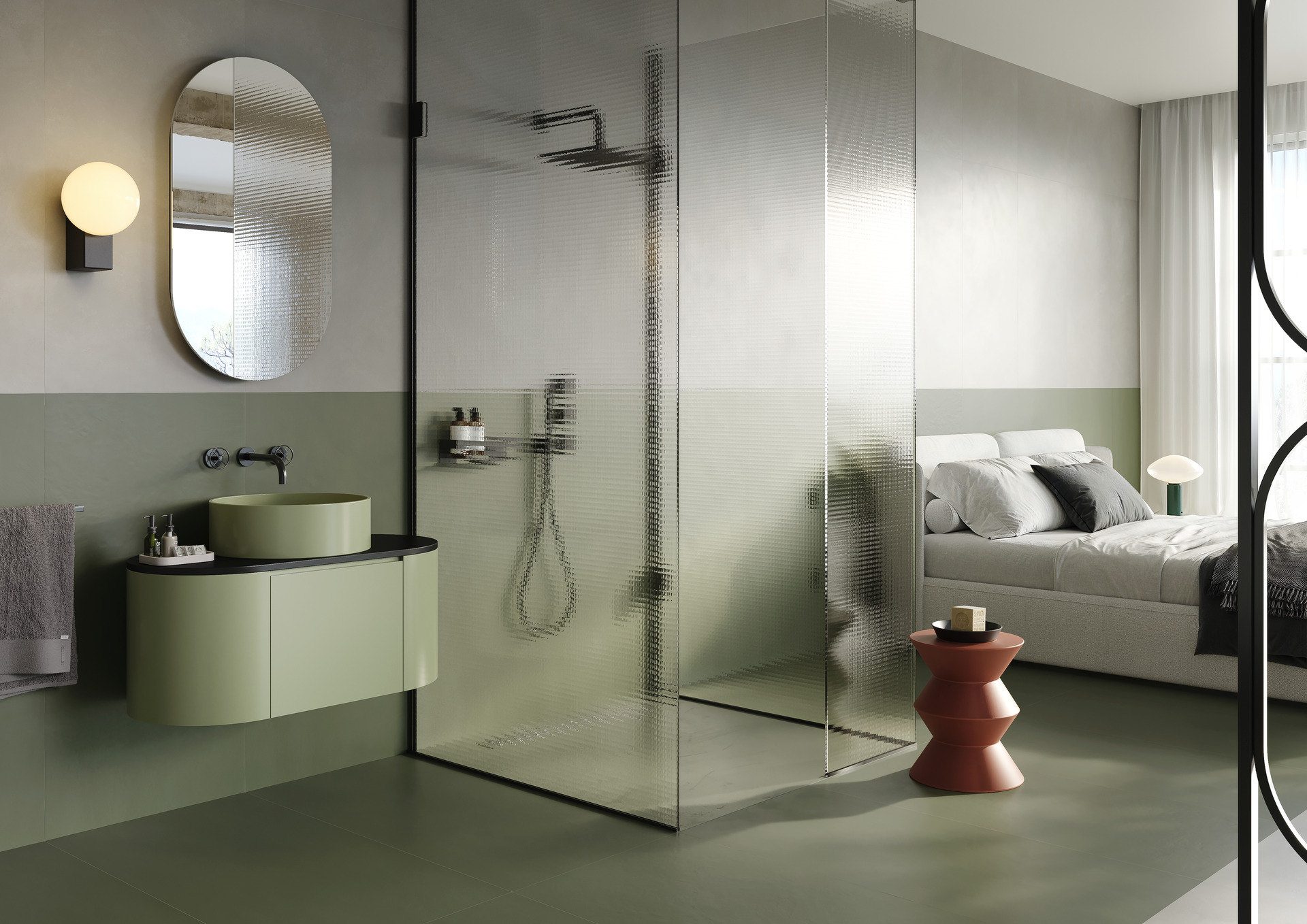
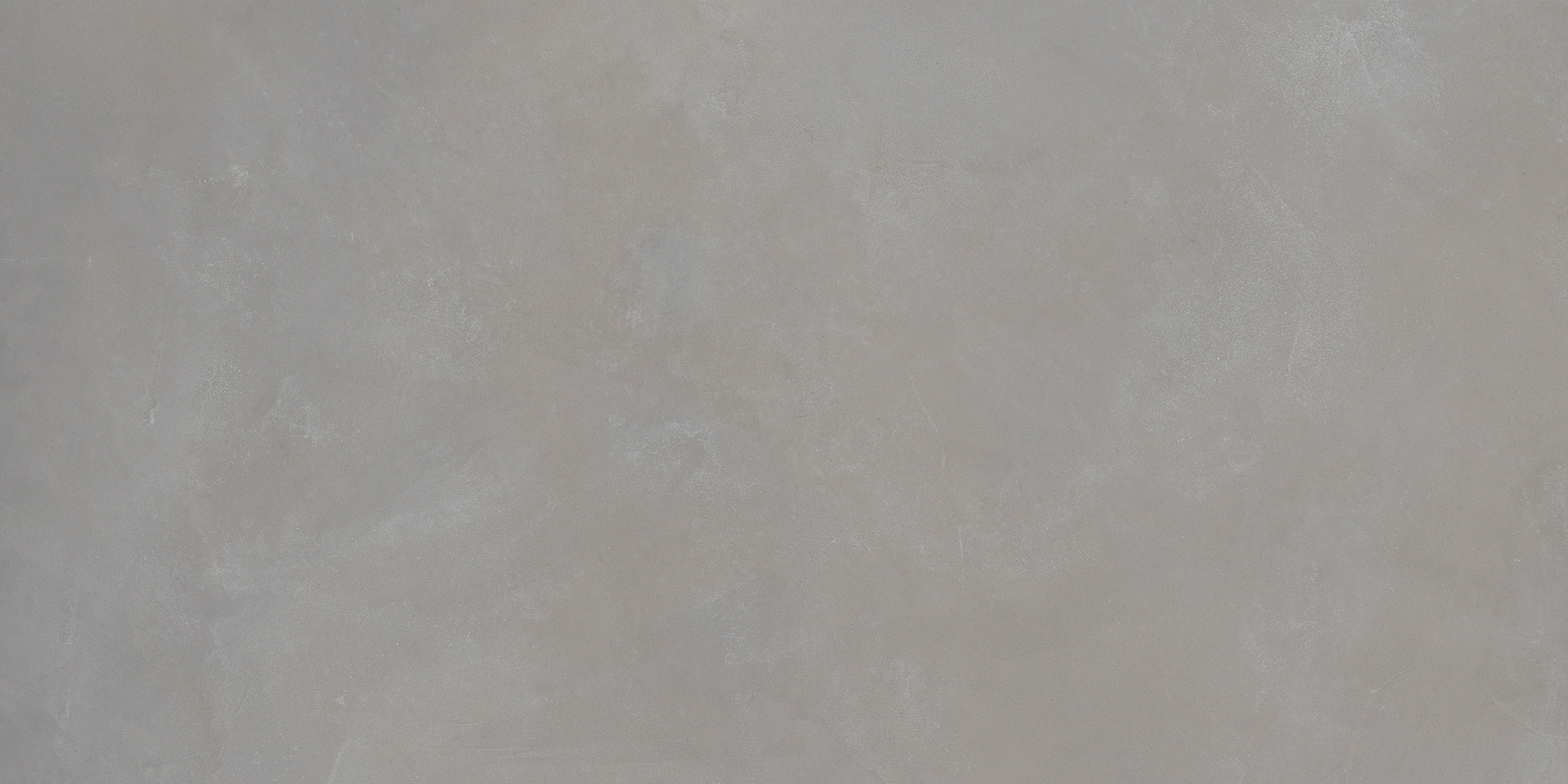
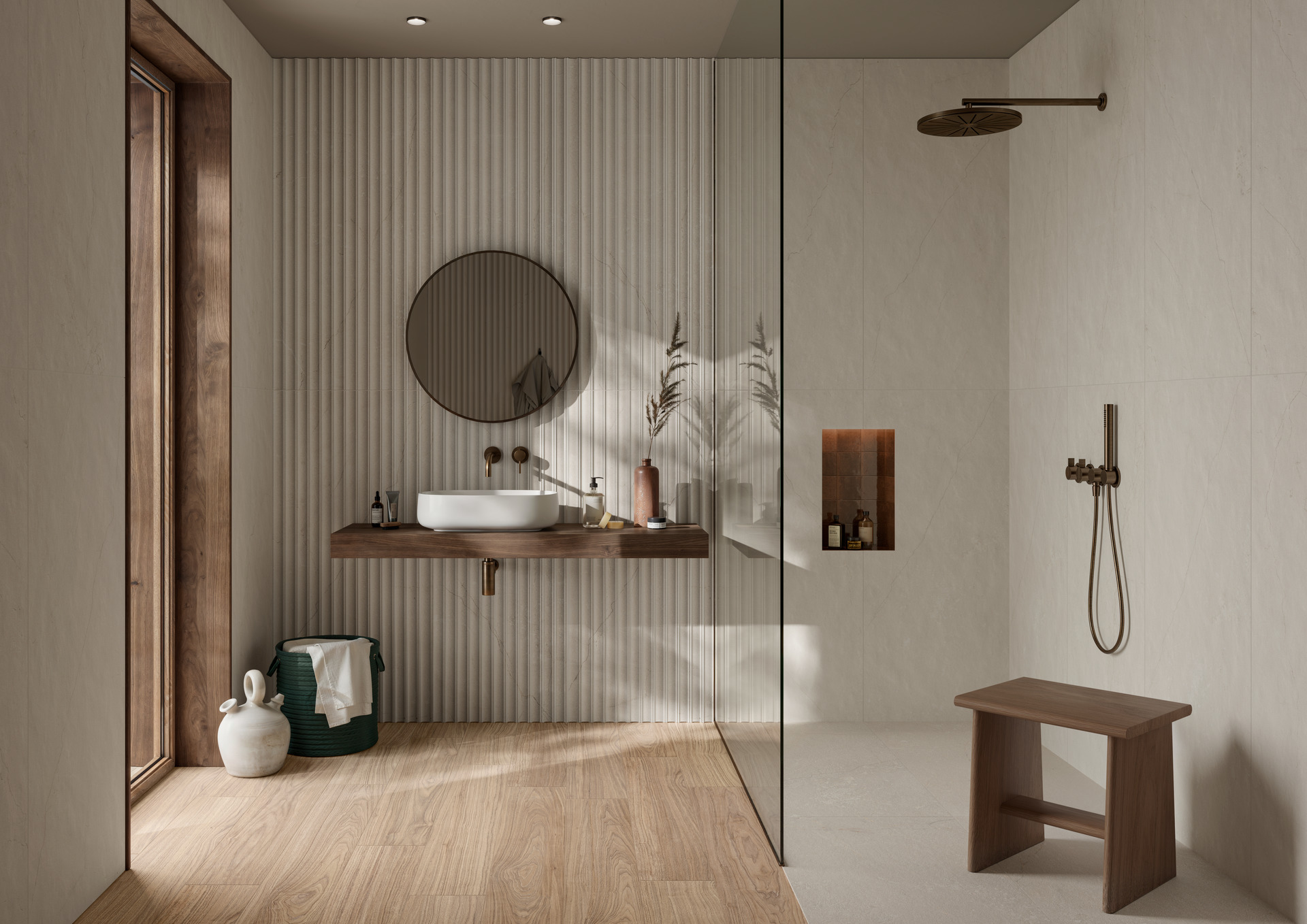
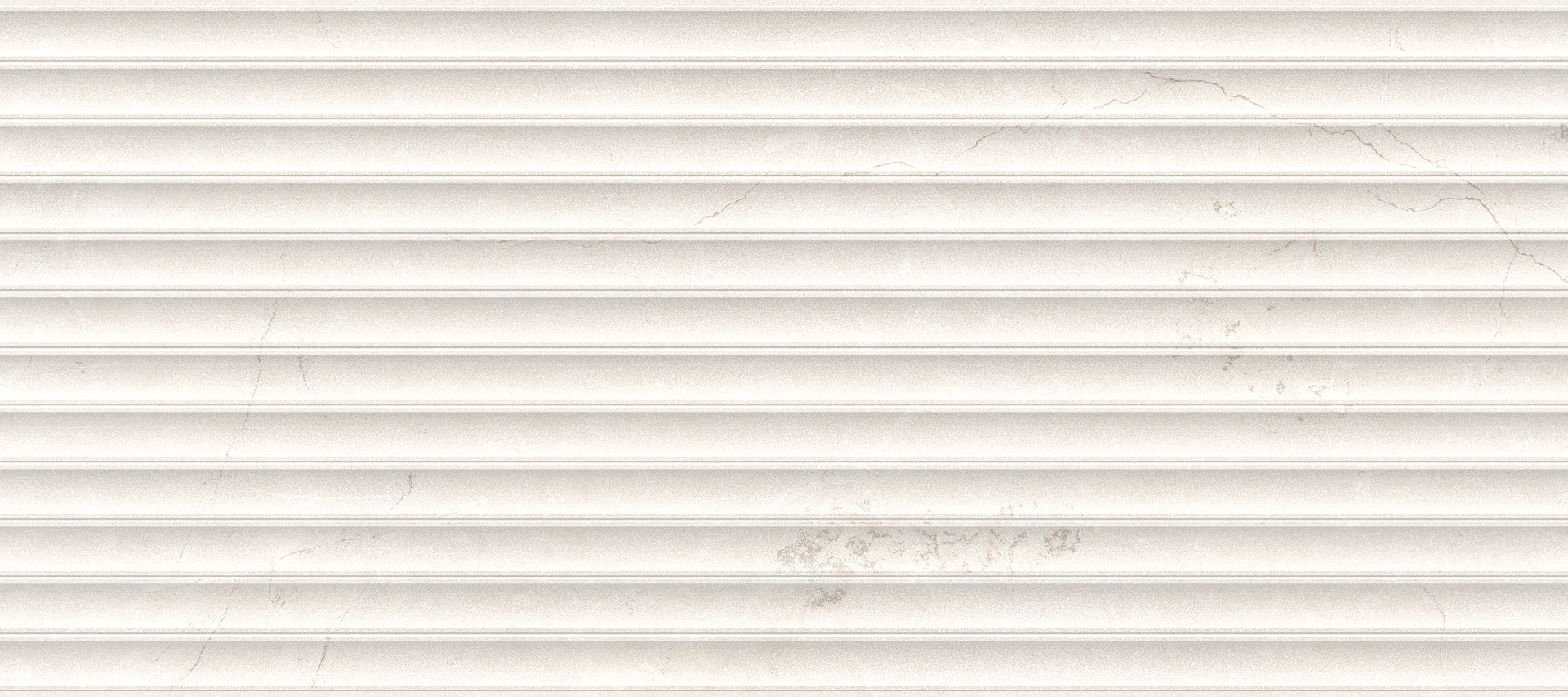
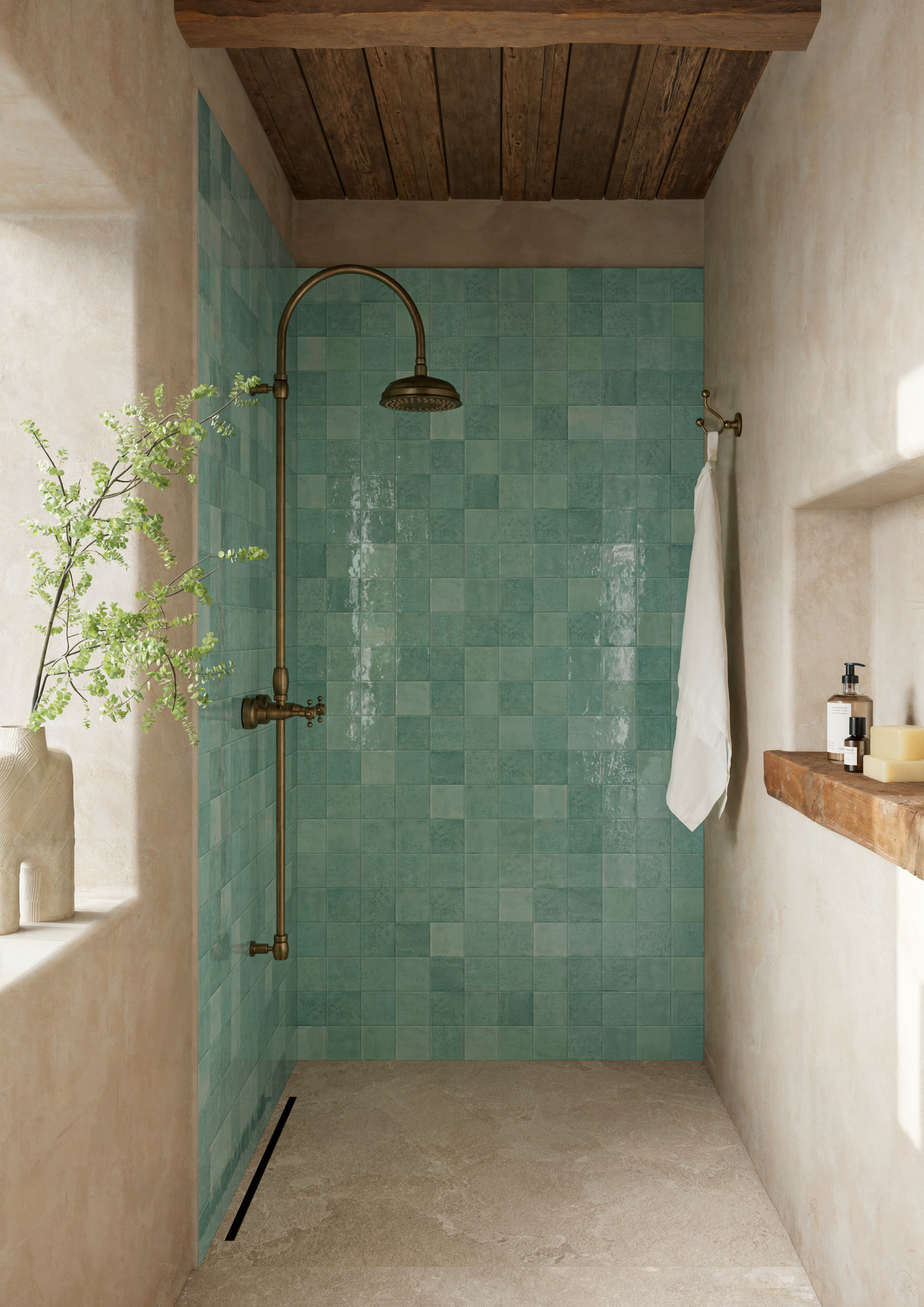
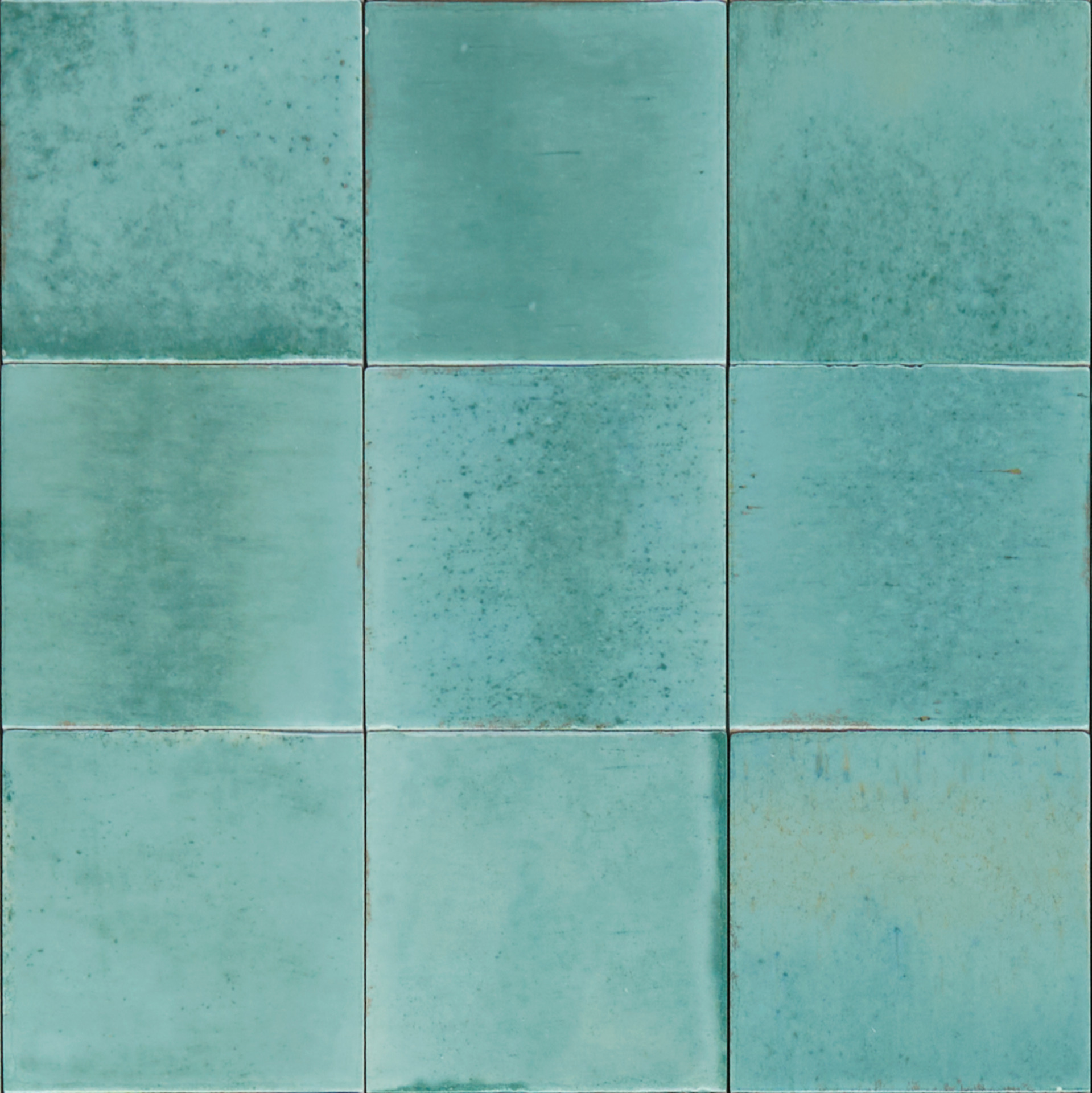
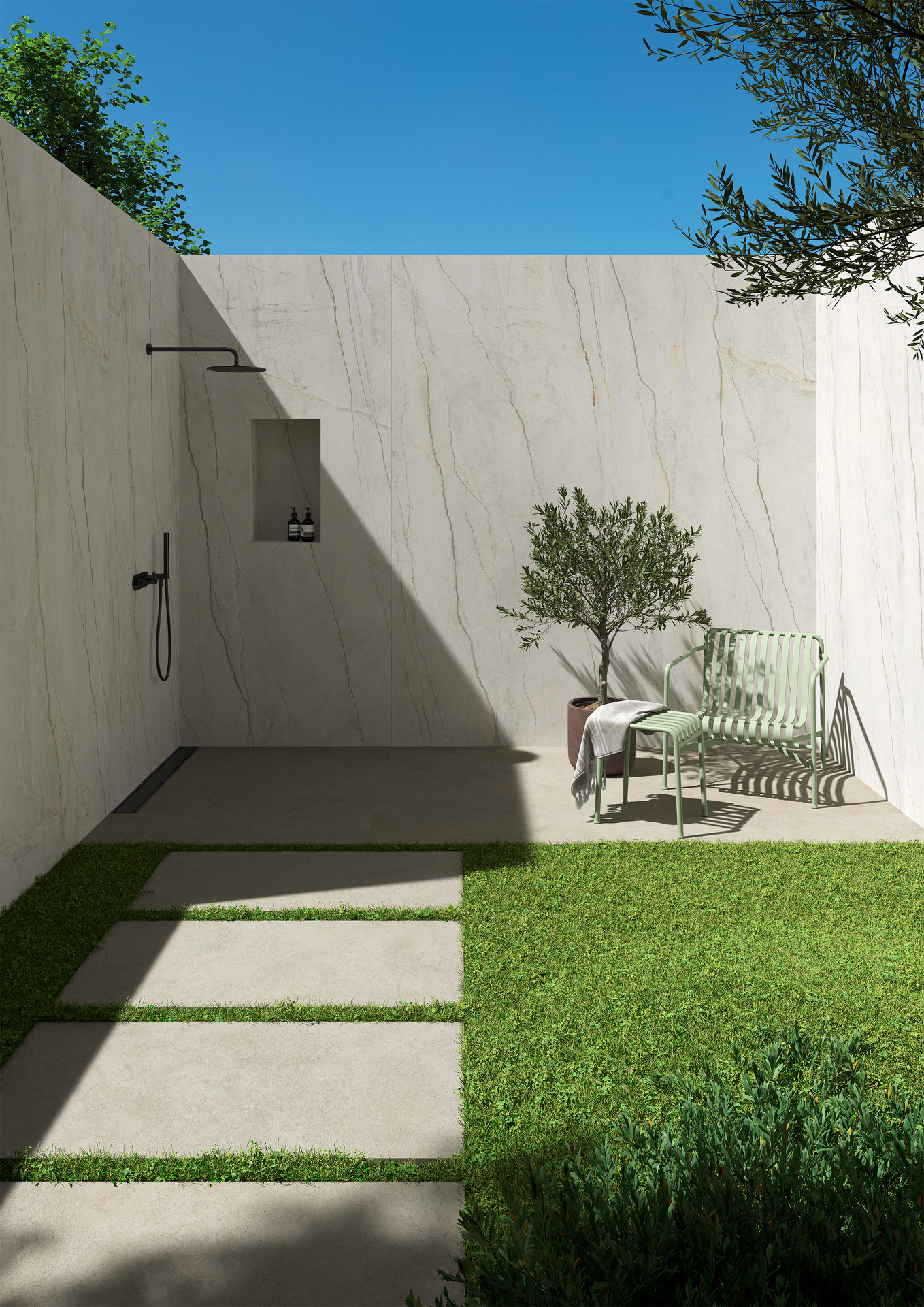
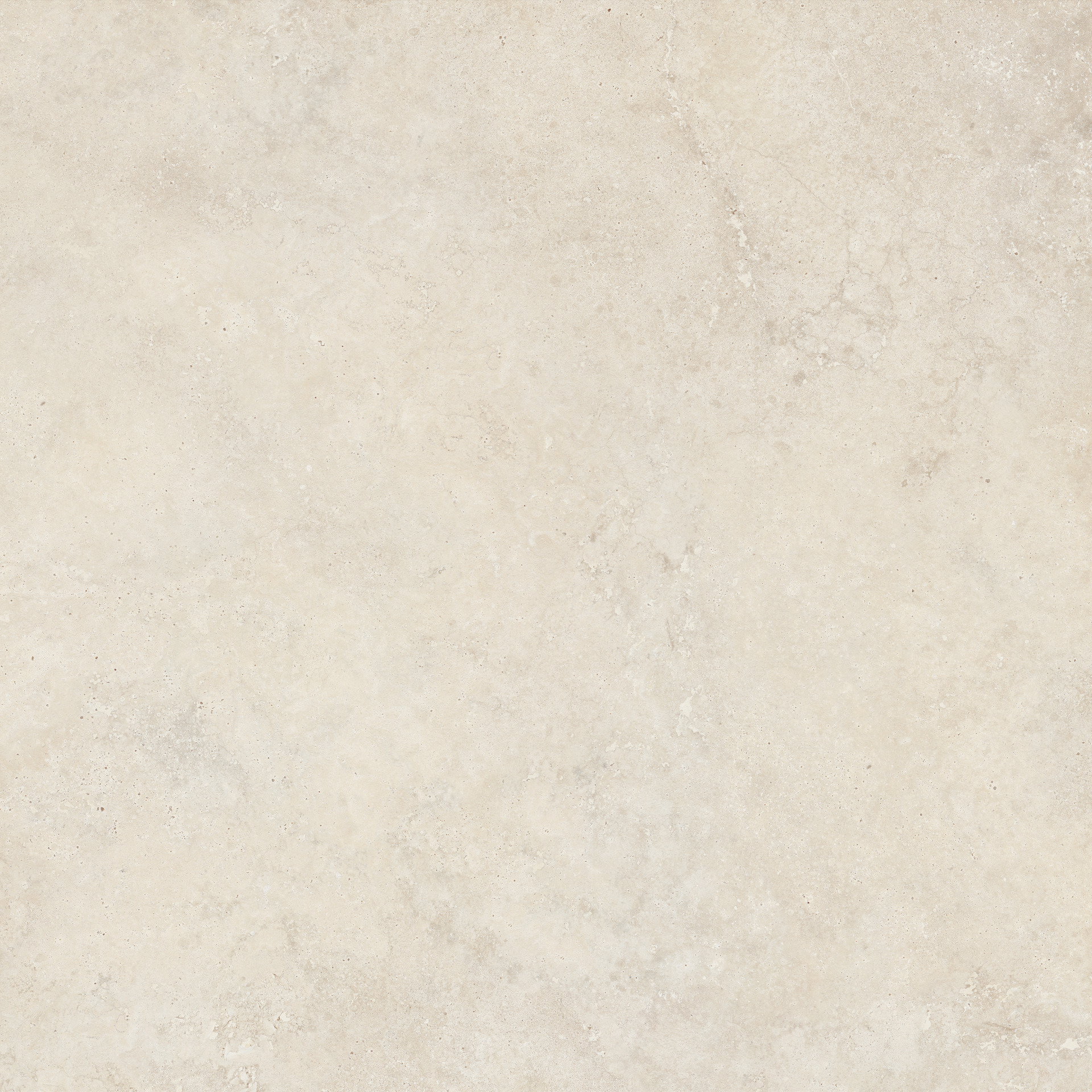
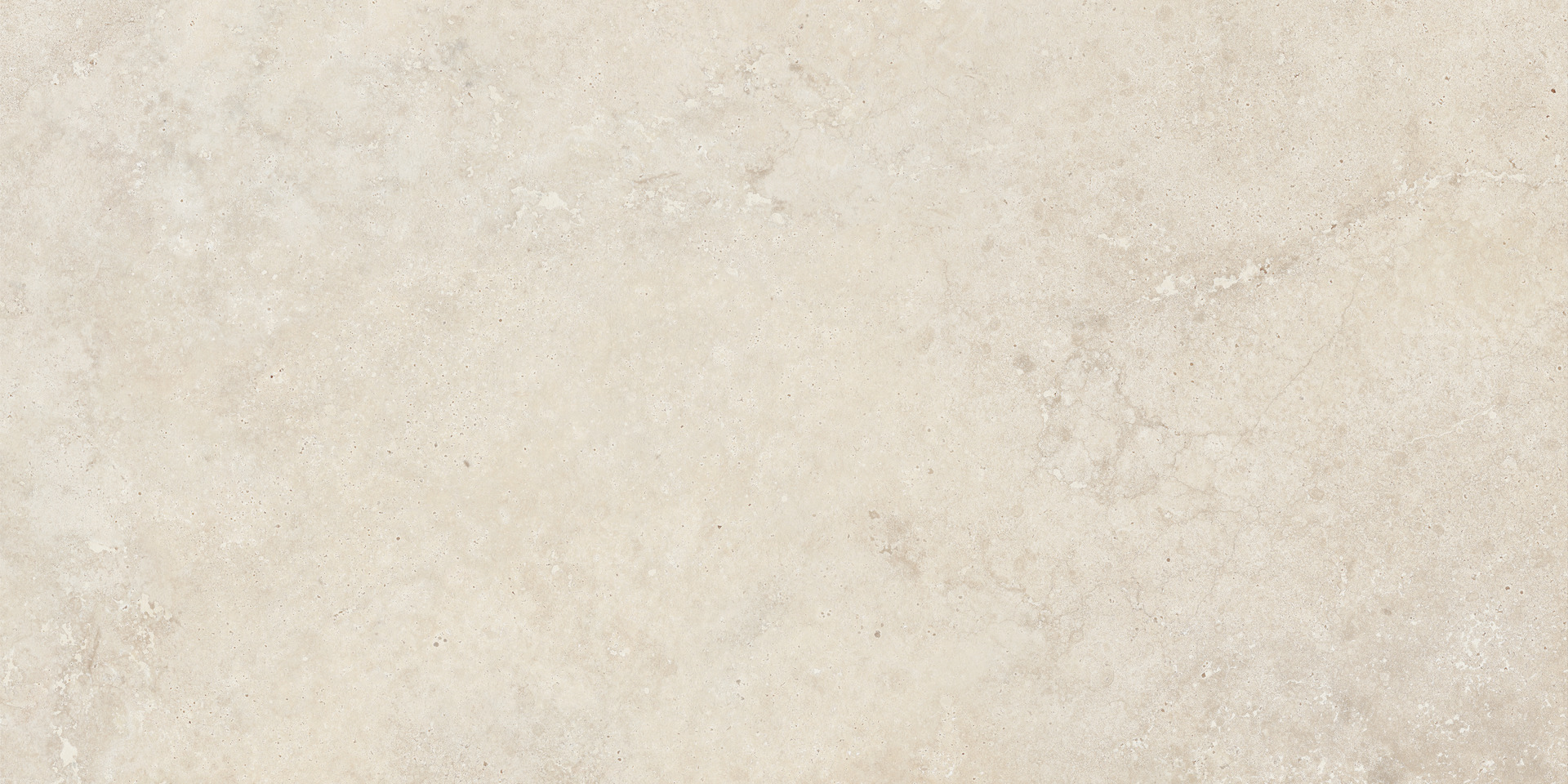
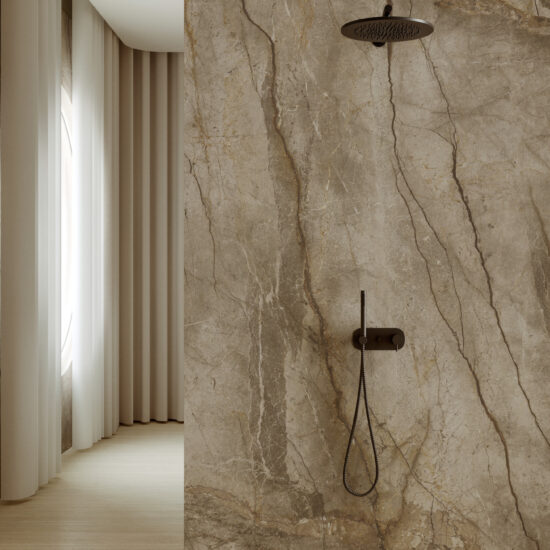
For a safe project, the choice of ceramic tiles to use as a shower covering varies depending on whether they are for the wall or the shower tray, for which suitability for walking on wet surfaces is required. For the walls, instead, the choice is more flexible: large slabs, mosaics, and stone, marble, resin, or decorative effects allow you to tile the shower up to full height, create accents, or coordinate with the other bathroom tiles. Read also: How to cover the shower? Design ideas Aesthetics, practicality, and technical characteristics: for the shower area, which is constantly exposed to water, it is essential to consider every aspect of the floor and wall tiles. Not all tiles suitable for the bathroom are automatically suitable for installation in the shower, especially for the floor or shower tray, where it is necessary to verify the surface slip resistance values with the help of a designer or qualified installer. However, it is always possible to choose coordinated collections or continuous surfaces with the rest of the bathroom, using the same effect, tone, or inspiration material to create a harmonious space, without compromising on the technical requirements for safe installation. For a continuous and contemporary effect, a very popular solution is represented by large format tiles which reduce the number of grout lines and provide a more uniform visual effect, closer to the idea of an “uninterrupted” surface. Fewer joints can also make cleaning easier, especially on walls and in full-height showers. The shower floor is a surface subject to frequent wet conditions: for this reason, the suitable surface must ensure a coefficient of friction appropriate for barefoot walking in wet spaces. The mosaic tiles offer greater flexibility to adapt to the area to be covered, which is why they can be used in the shower tray area. The available patterns allow you to create decorative details and articulate the shower area either in continuity or in contrast with the rest of the bathroom. Mosaics also bring into the shower tray the same material effects available in the collections: stone, marble, resin, concrete, or other decorative surfaces. However, for floor installation inside the shower, it is always necessary to verify that the original material has technical characteristics suitable for walking on wet surfaces. In walk-in showers, with a flush shower tray, the absence of a step makes the space more essential and contemporary. For the shower floor, it is vital to choose tiles that not only match the style of the bathroom, but are also practical and safe. Stone-effect surfaces offer a natural and textured result, especially suitable for an elegant shower area that is integrated into the overall project. Mystone Pietra di Sardegna interprets the expressive power of stone with a surface of authentic character, ideal for a contemporary walk-in shower. Mystone Breccia dei Berici instead offers a rich and distinctive stone effect, perfect for enhancing the shower tray and coordinated bathroom surfaces with a more pronounced textured accent. Tiling the shower walls leaves more freedom of choice than the tray: here the guiding criterion is not walking safety, but the aesthetic effect and consistency with the rest of the bathroom. Usually, shower wall tiles are installed up to full height, or at least up to the level of the shower enclosure or showerhead. In general, there are no particular constraints on the wall covering: generally, a tile suitable for the shower floor can also be used for the walls, but in practice softer, decorative, or visually enhancing surfaces are preferred for the walls, avoiding finishes that are too rough if not necessary. The final choice should always be evaluated based on the collection and the overall bathroom project. There is also a wide choice of formats: all formats, from small to large, are suitable for wall installation. In this sense, an interesting solution is offered by large thin slabs that allow you to cover the walls with few joints. The storage niche built into the wall is both a practical storage advantage and a decorative element from an aesthetic point of view. It can be designed using the same finish as the walls or by creating a contrast with a mosaic or a decorative collection. To design the shower niche covering in a functional way and well integrated into the shower project, it is important to consider from the outset aspects such as dimensions, grout lines, cuts, and alignments, as these contribute to the final result just as much as the choice of tile. The shower walls can be interpreted with all the main Marazzi ceramic effects: bright majolica-effect surfaces, stone-effect textures, marble-effect veining, resin-effect finishes, concrete or decorative solutions. Some examples are: The variety of effects and formats allows you to design the shower as an integral part of the bathroom, choosing either coordinated or purposely contrasting surfaces. Ceramic and porcelain stoneware are compact and non-porous materials, easy to clean and to maintain daily, as they do not absorb water and have high resistance to humidity. The most delicate area remains the grout lines: keeping them clean over time greatly reduces the risk of mold and residue build-up. Find out more about how to clean tile grout. In many renovations, thin tiles can be installed over the existing covering, reducing demolition and time. Feasibility however depends on the condition of the substrate, the adherence of the old covering, and the project’s characteristics: for this reason, it should always be assessed by a qualified installer. Using the same effect or tone between the shower and the rest of the bathroom helps to create continuity and make the space coordinated. For the shower and bathroom walls, the choice is more flexible, while for the floor or the shower tray it is necessary to ensure that the surface is suitable for walking on wet surfaces. The modern character of a shower can be interpreted in different ways, depending on the bathroom style and personal tastes. Large slabs and reduced joints create continuous and essential surfaces, while mosaics, decorative finishes, or material contrasts can add more rhythm and personality.
Marazzi Recommends
How to choose shower tiles: large formats, surface and continuity with the bathroom
Hygienic and safe tiles for the shower tray, also for walk-in solutions
Mosaic solutions for the shower tray
Flush shower tray in porcelain stoneware for a contemporary walk-in shower
Tiling the shower walls: all ceramic surfaces
Tiles for a functional and decorative shower niche
Marazzi collections for tiling the shower walls: available effects
Maintenance and hygiene of tiles covering the shower
Frequently asked questions about shower tiles
Is it possible to tile an existing shower without demolishing the old covering?
Is it advisable to use the same porcelain stoneware for the shower and the rest of the bathroom?
How do you make a shower modern with tiles?