

 Share
Share
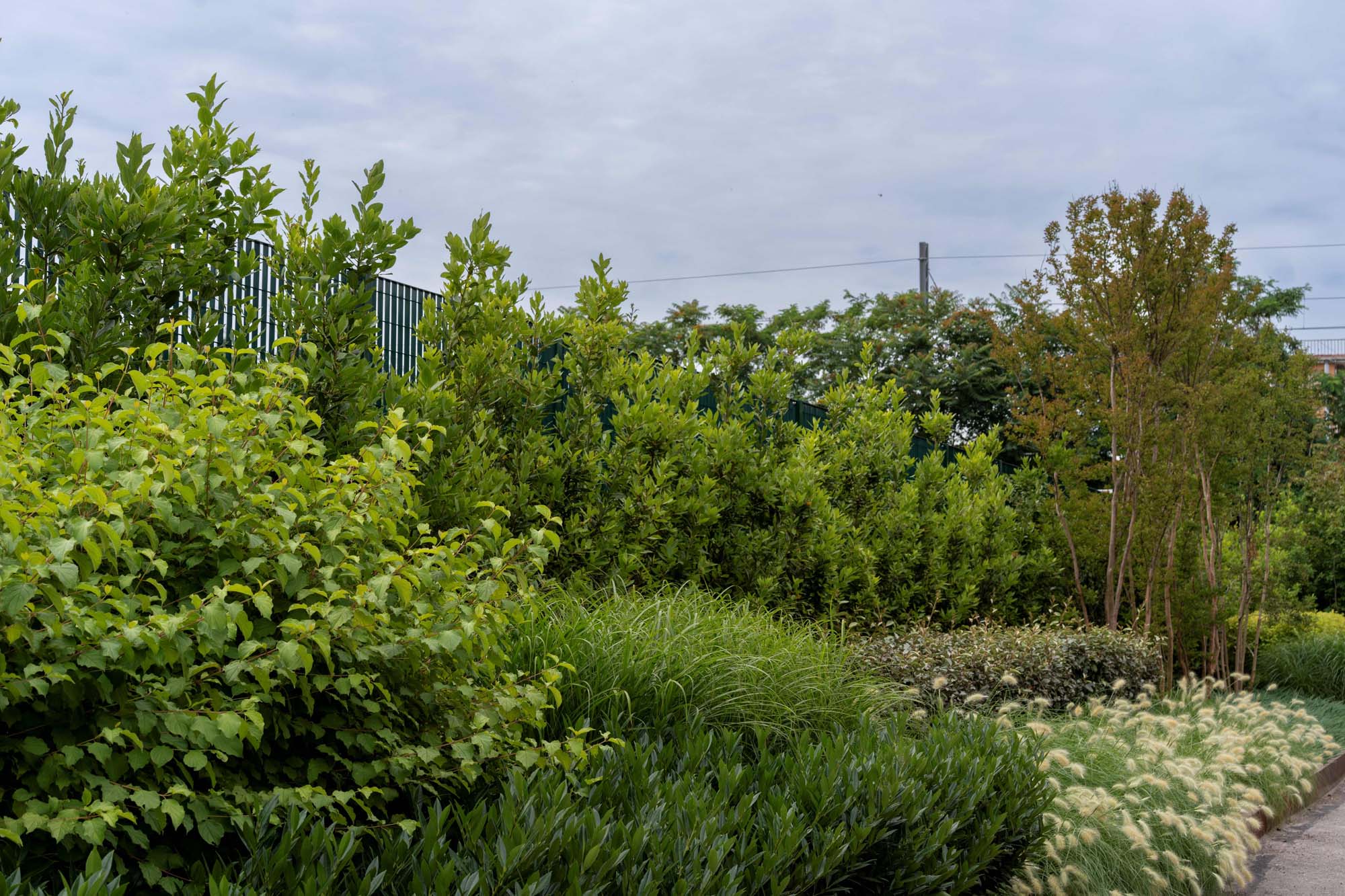
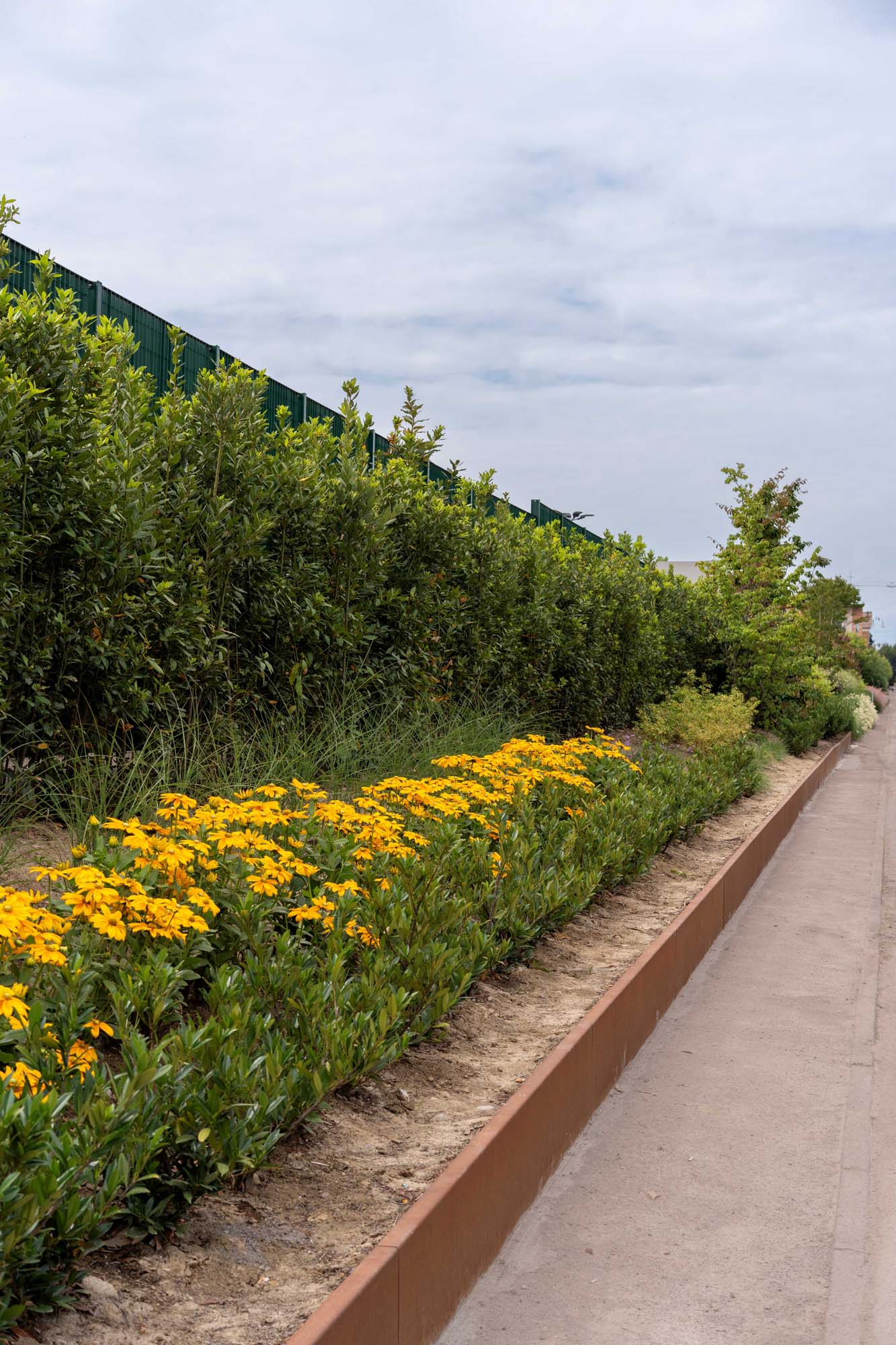
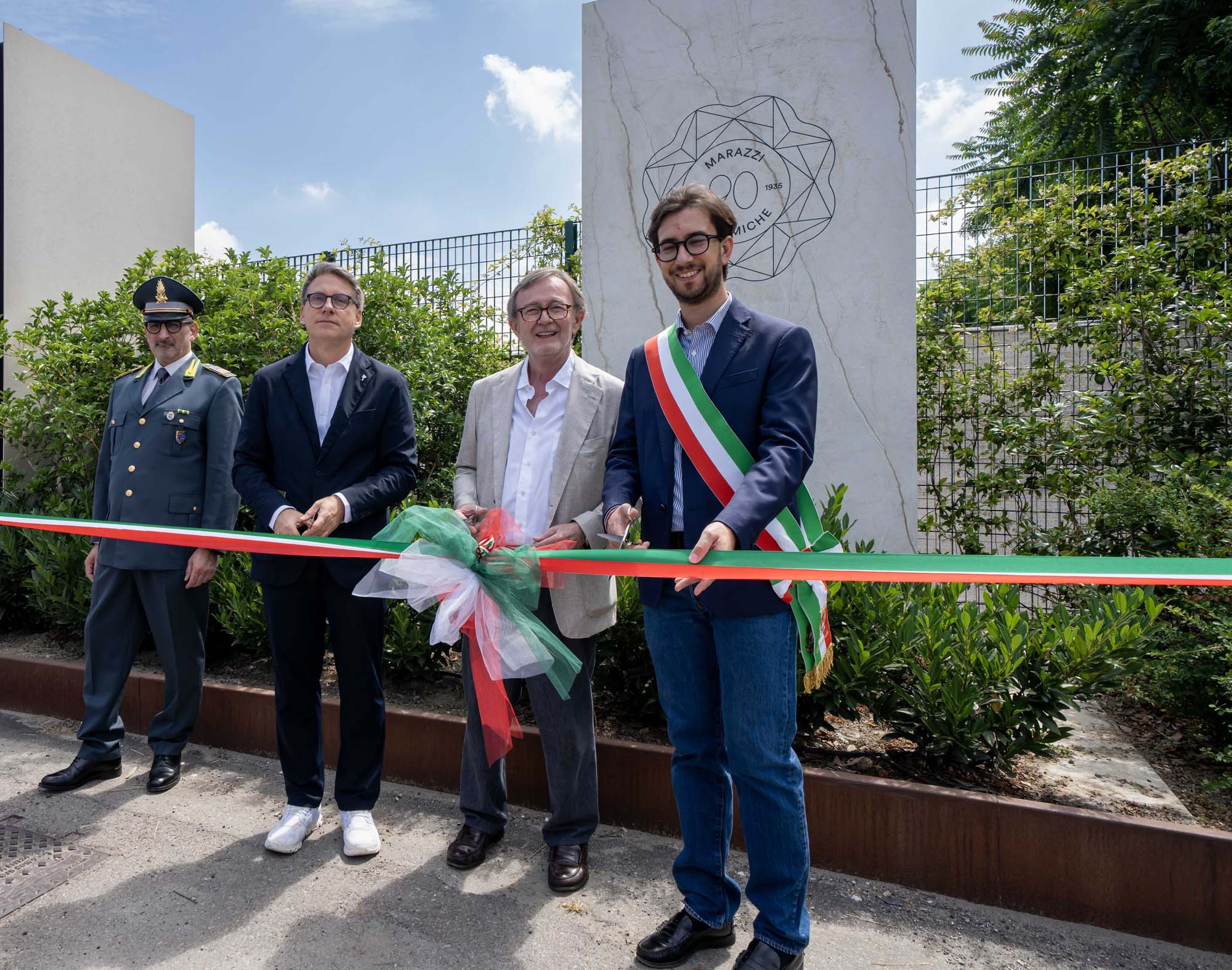
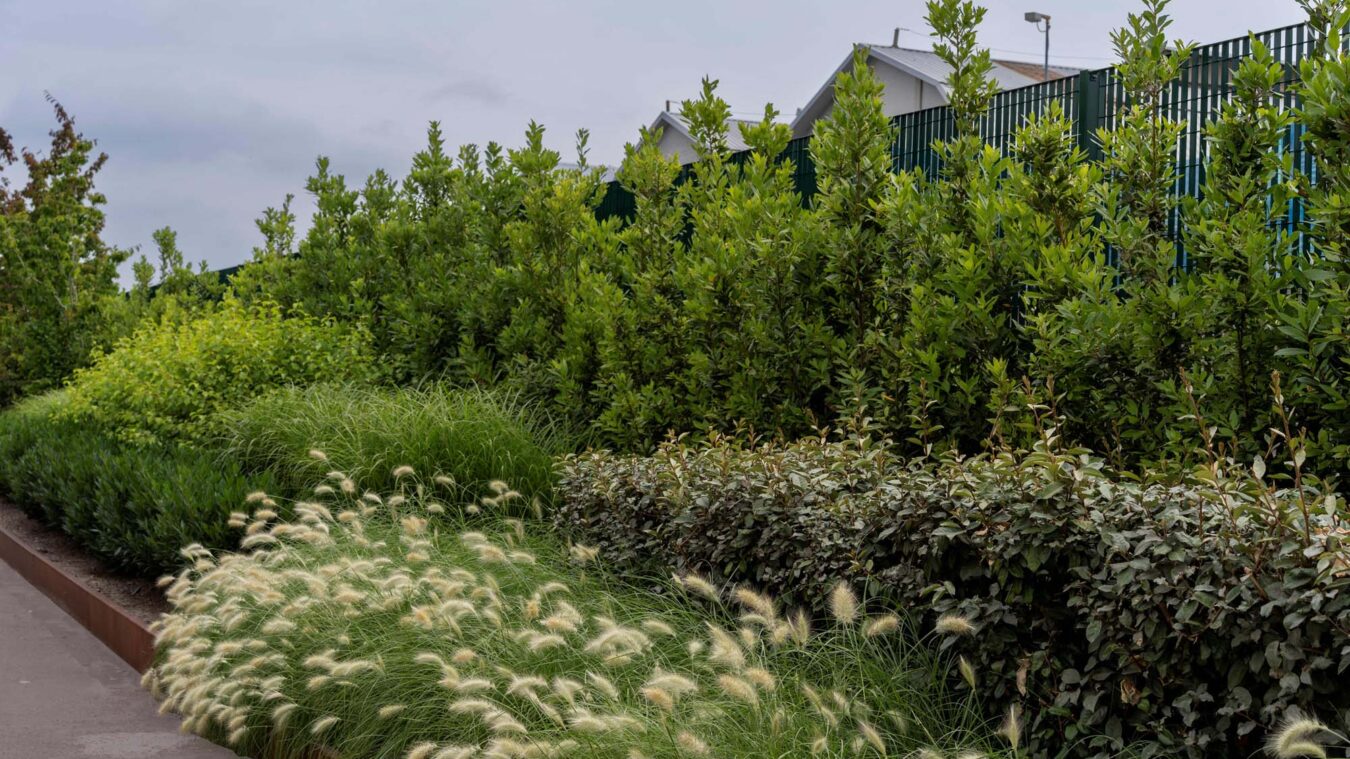
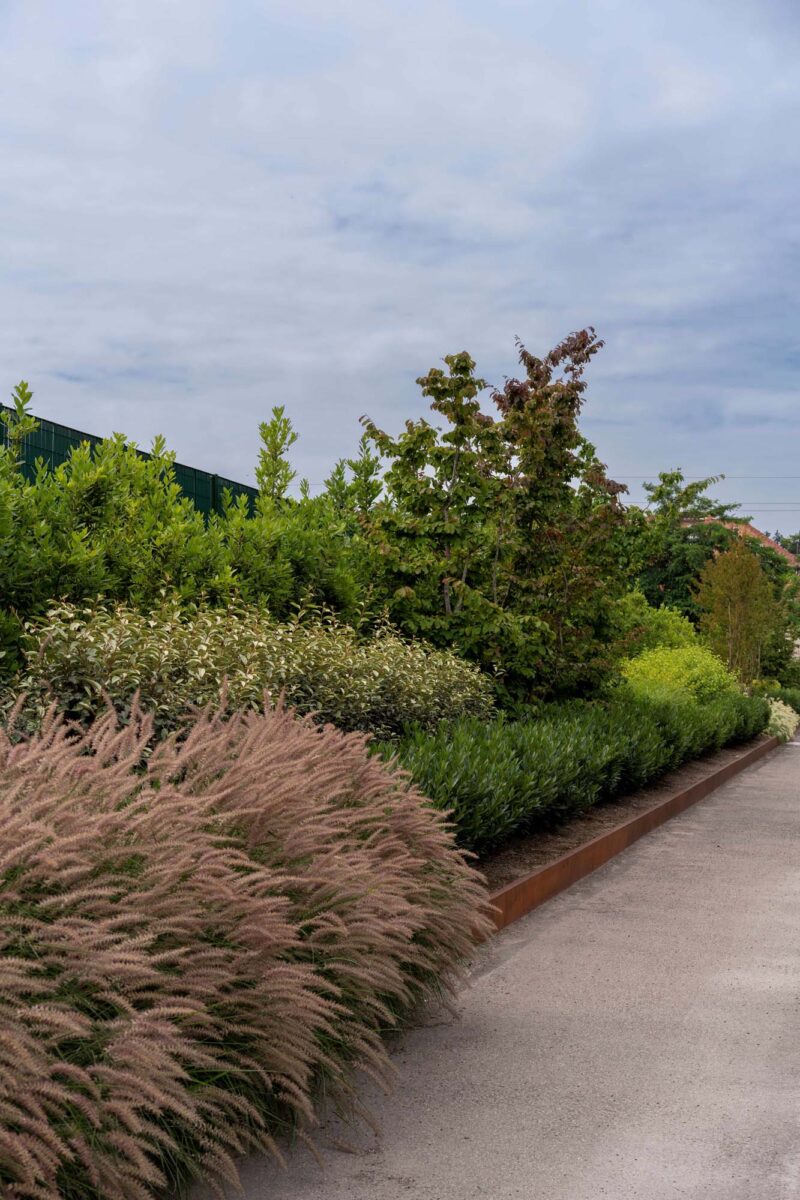
The Parco Lineare Marazzi has been inaugurated, an urban renaturation initiative that transforms about one kilometer of the plant’s perimeter into a green barrier capable of strengthening the connection between the industrial area and the city of Sassuolo.
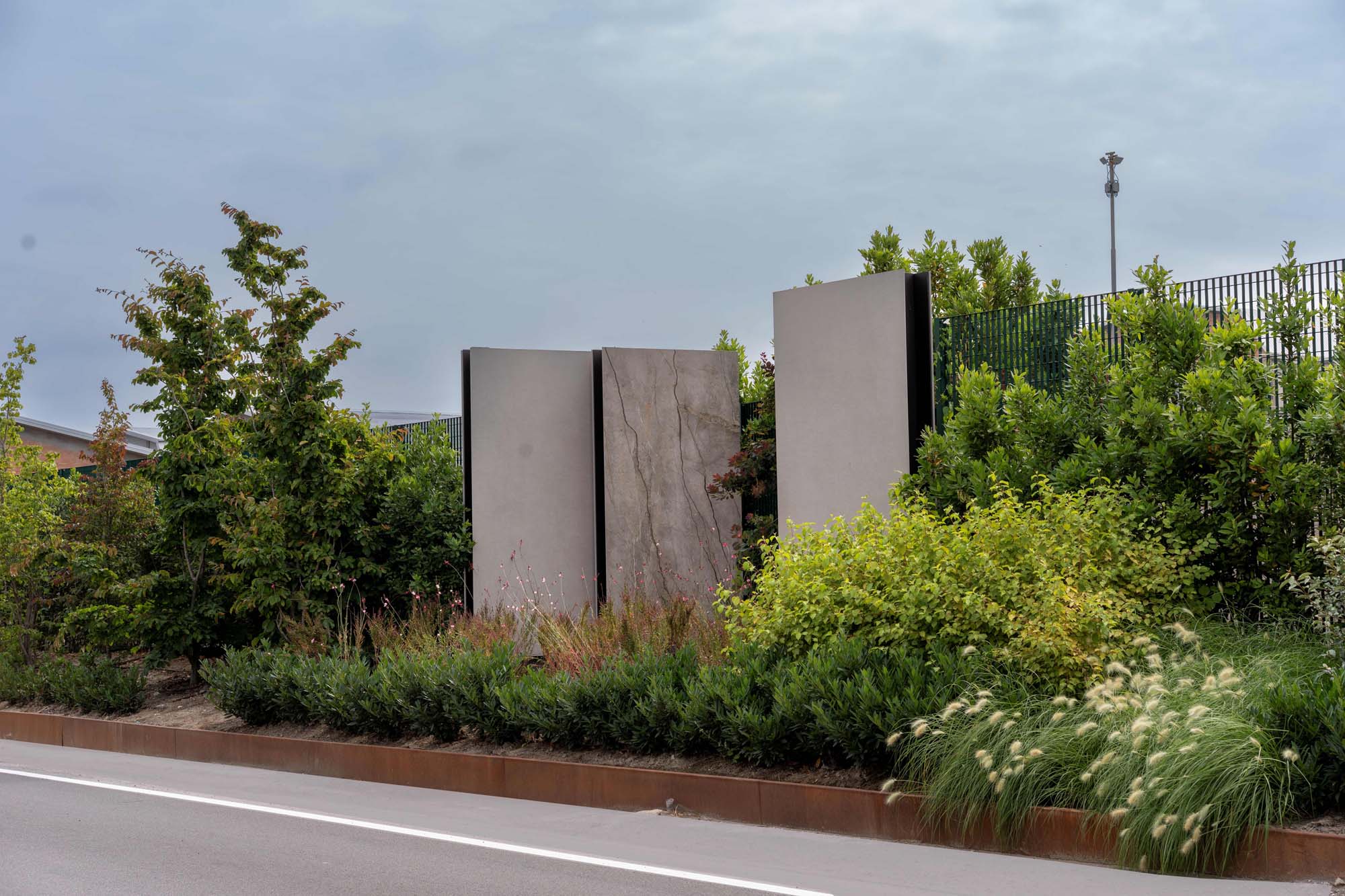
With over 5,300 plants including trees, shrubs, and various species, what for years had been a boundary wall now becomes a constantly evolving landscape. The project, created by Studio MC2AA Dario Costi and Simona Melli Architects together with the landscape designers of B Scape, includes a sound barrier integrated into the greenery along the plant’s perimeter, designed to improve the area’s comfort with respect both to the noise from production activities and to vehicle traffic on Via Ancora. In September 2026, the final section of Via Henry Dunant will also be completed, giving continuity to the entire initiative.
The first surveys carried out along the Linear Park already show positive signs. In the areas protected by the green strip, significantly lower concentrations of pollutants are recorded compared to areas without vegetative screening. In particular, the concentration of fine dust is reduced by up to 33%. Combustion gases also show a reduction ranging from 33% for sulfur oxides (SOx) to 67% for carbon monoxide (CO). These results confirm the role of vegetation as a natural filter for air quality and urban comfort.
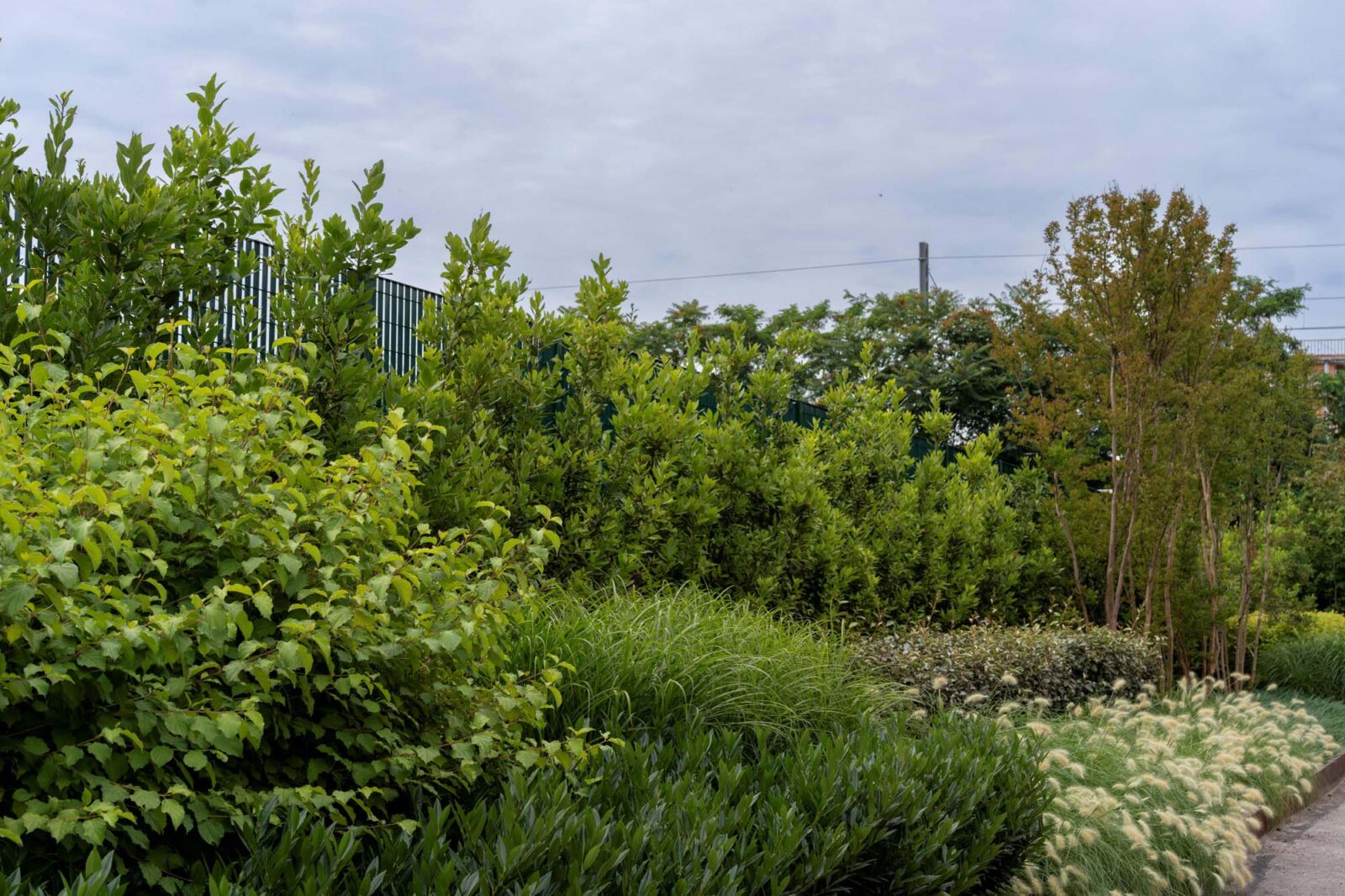
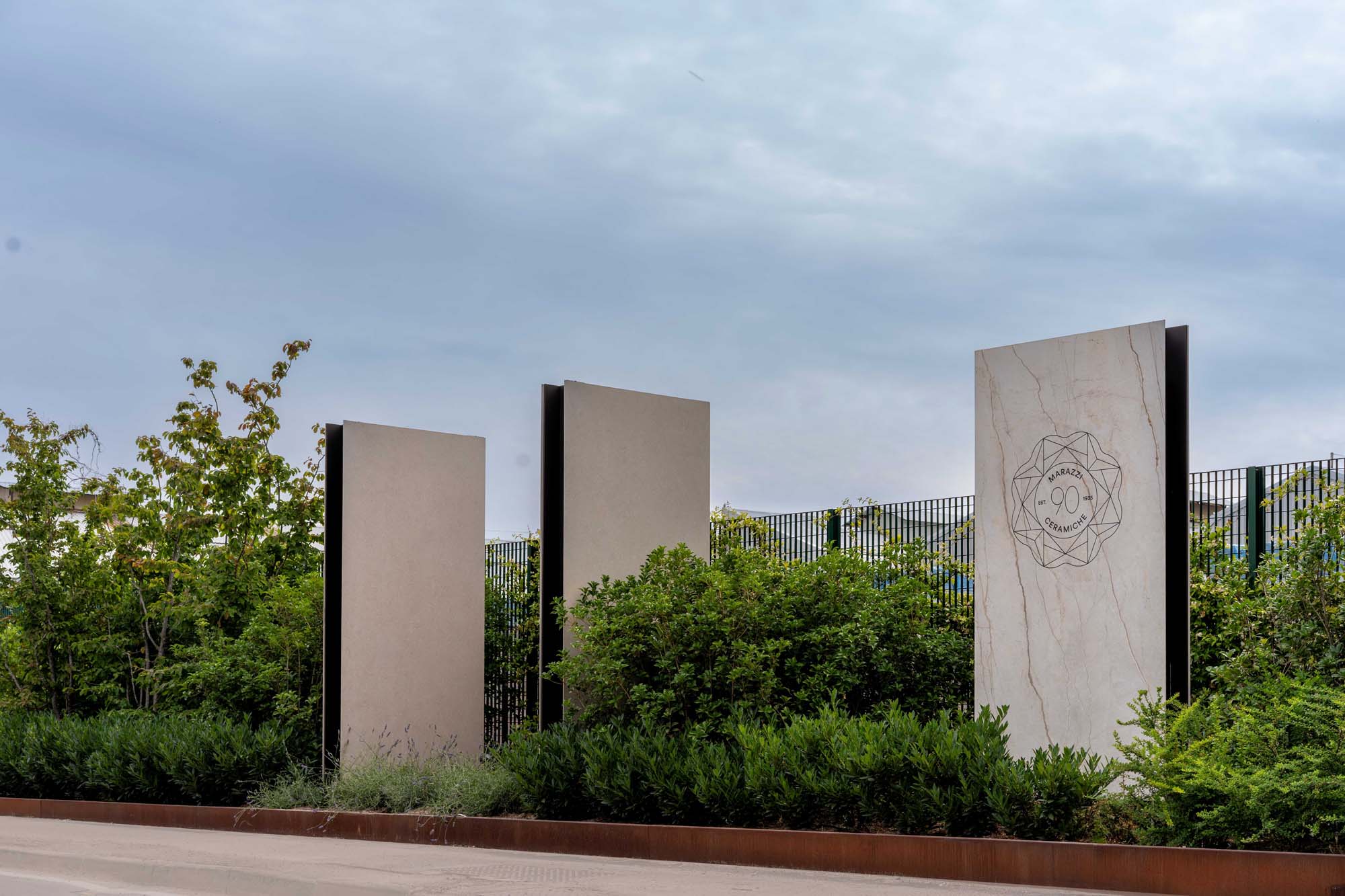
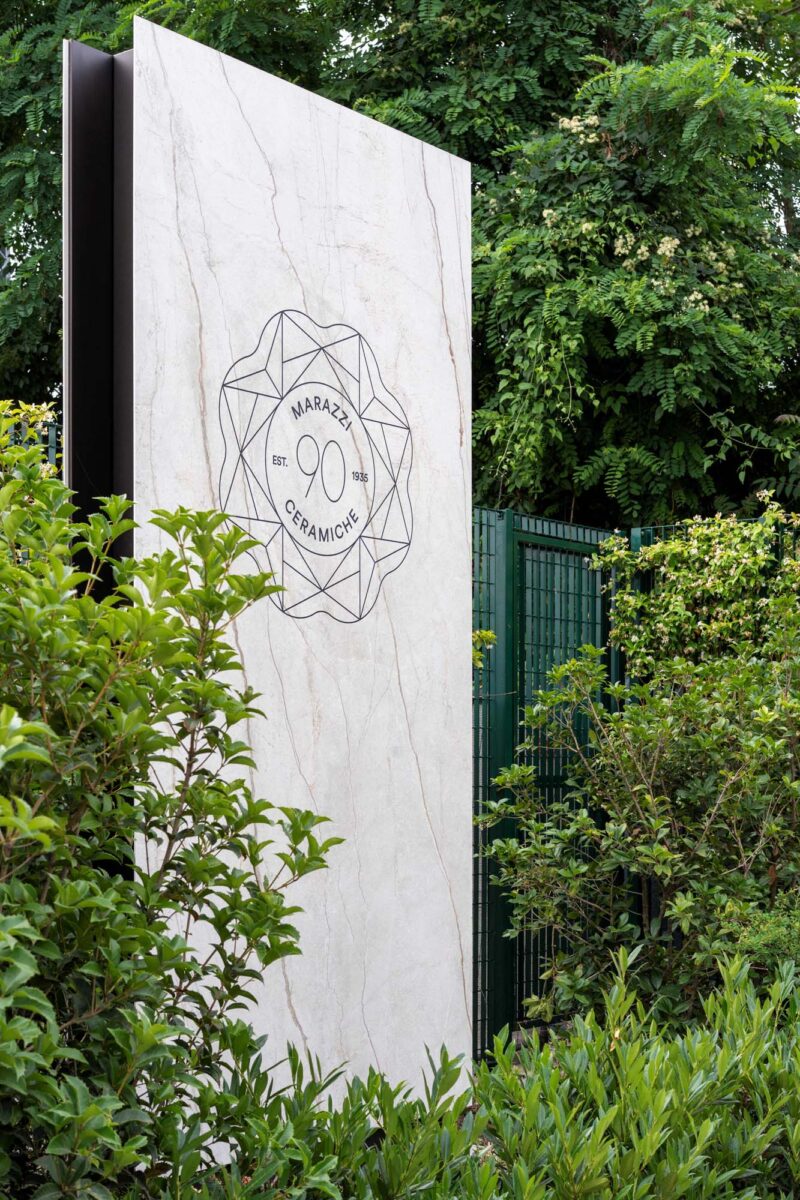
At the heart of the initiative is the dialogue between industrial product, nature, and art. The park develops through different layers of vegetation that gradually transform the plant’s boundary into a landscape that is both natural and urban. Along the path, some installations with large ceramic slabs create architectural features designed to engage with the neighborhood and enhance the expressive potential of ceramics. The first, at the southern edge of the site near the railway embankment, is a tribute to the vision of Luigi Ghirri, who in the 1970s and 1980s depicted this area and ceramics with a sensitivity far from advertising clichés: an invitation to rediscover beauty in the everyday landscape.