















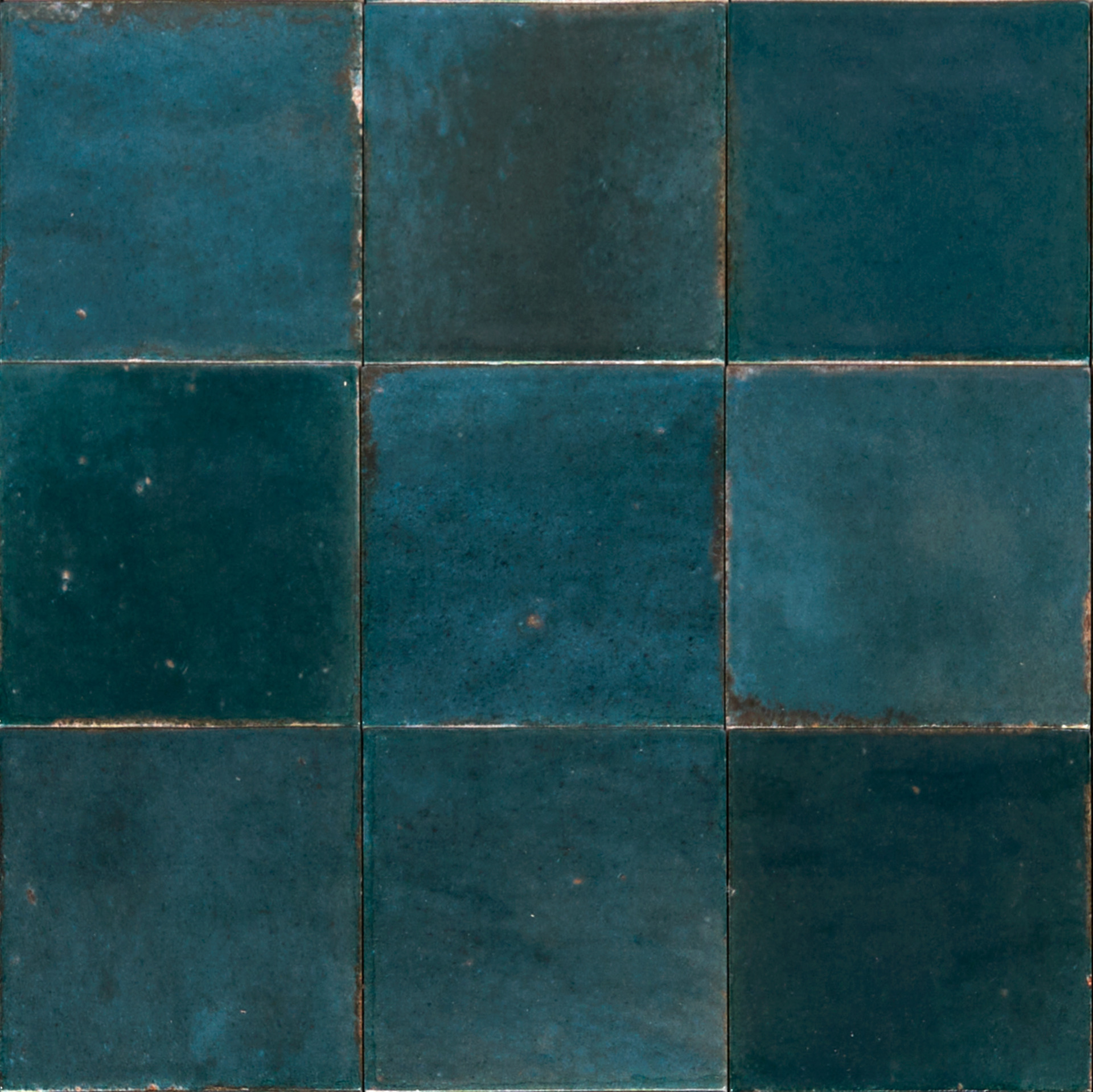
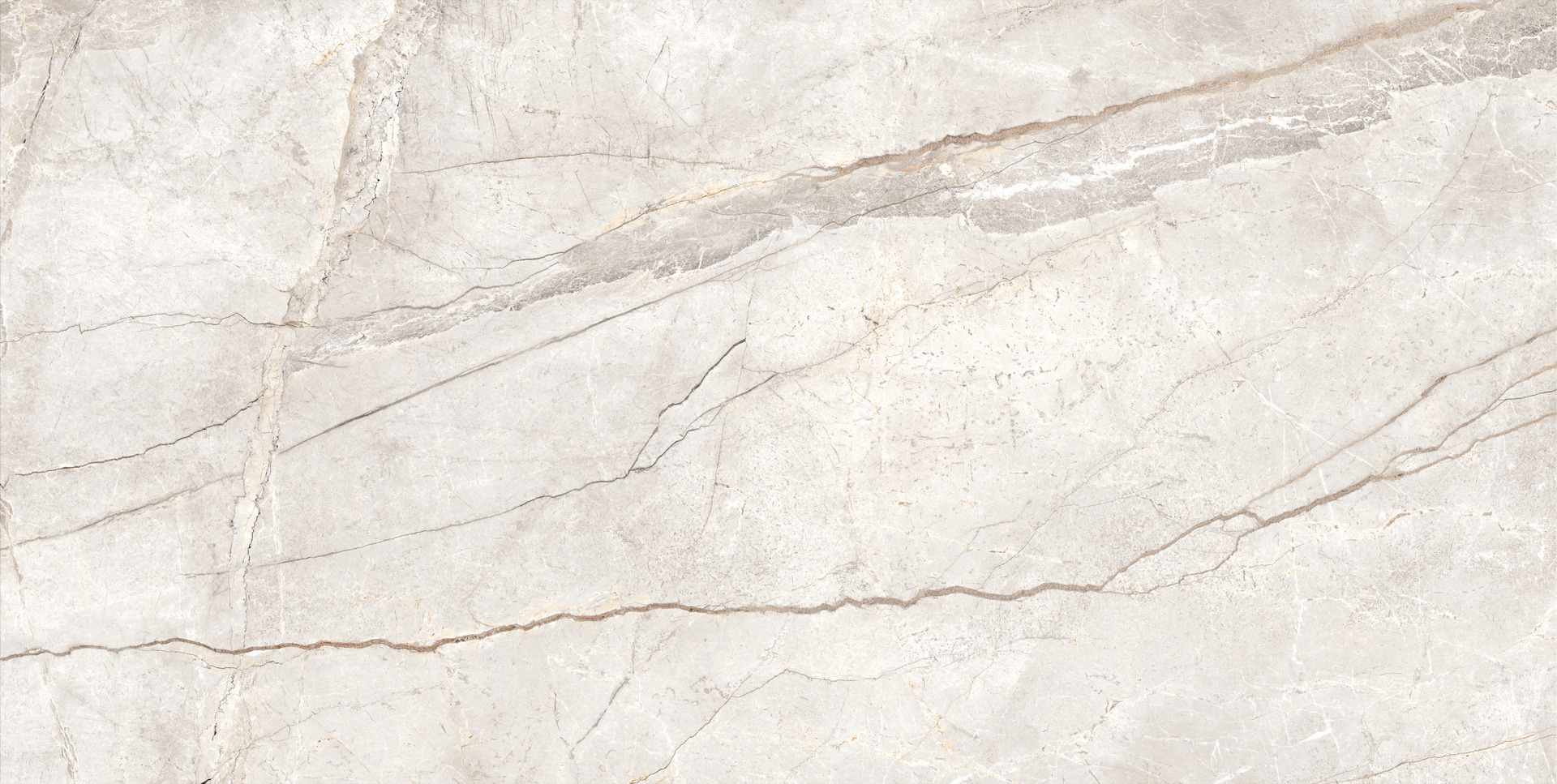
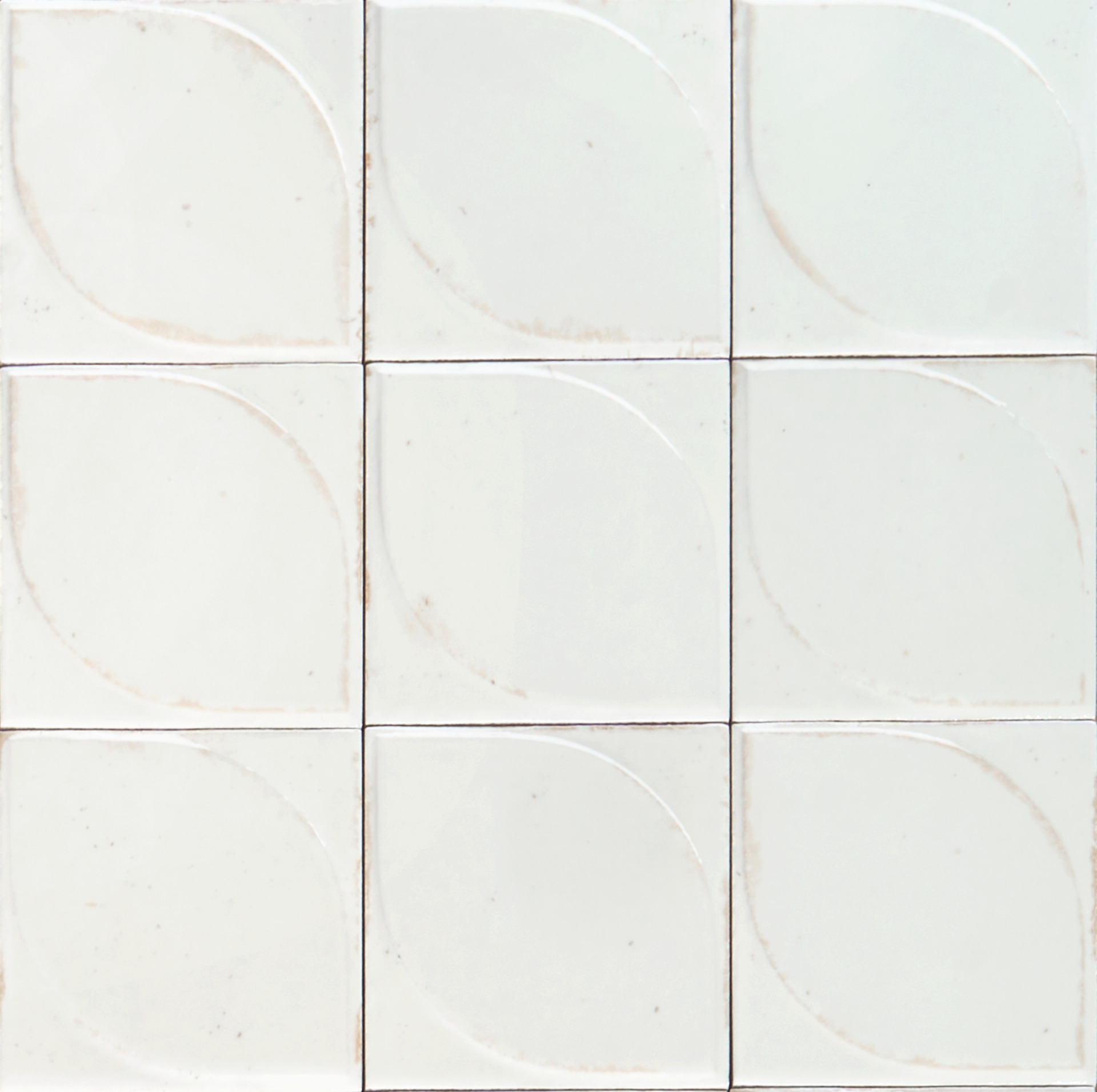


Grande Stone Look
- Colors 37
- Surfaces 5
- Sizes 4





Porcelain stoneware surfaces designed to withstand heavy foot traffic in shops, offices, and public spaces. Discover the available floors and finishes for every type of commercial business.
Porcelain stoneware floors and tiles for shops, offices, and commercial spaces


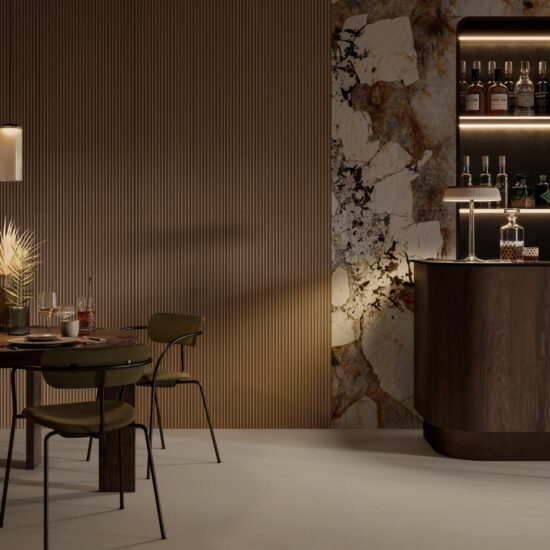
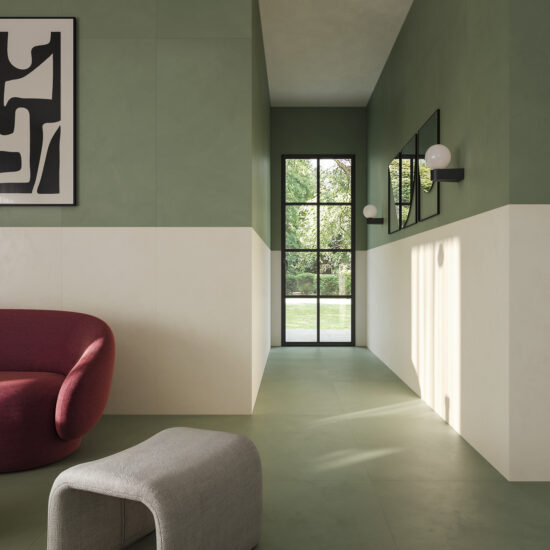
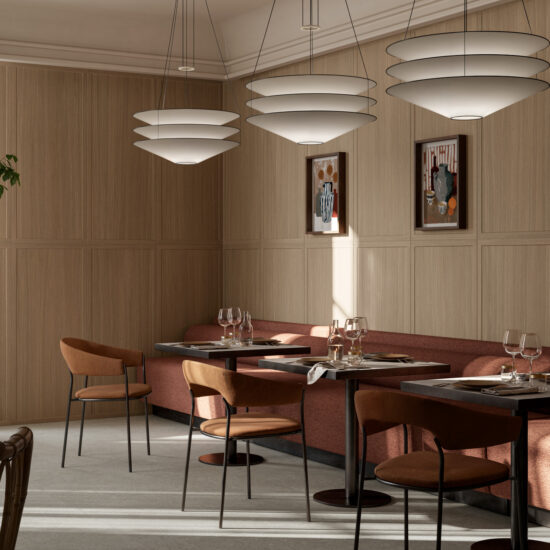
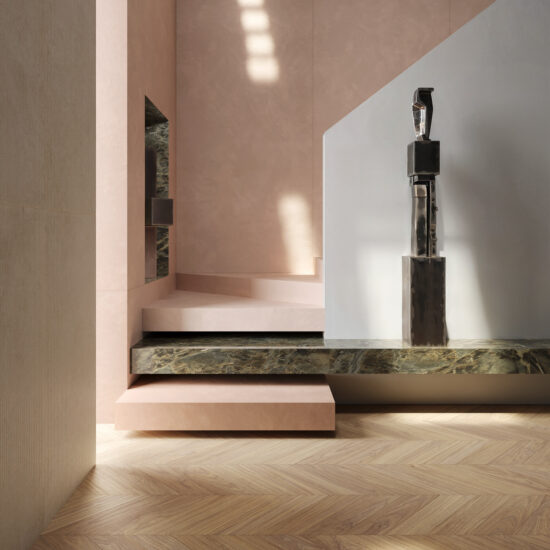
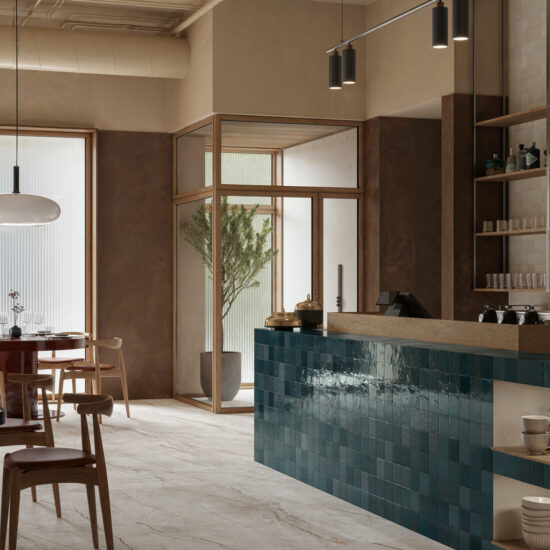
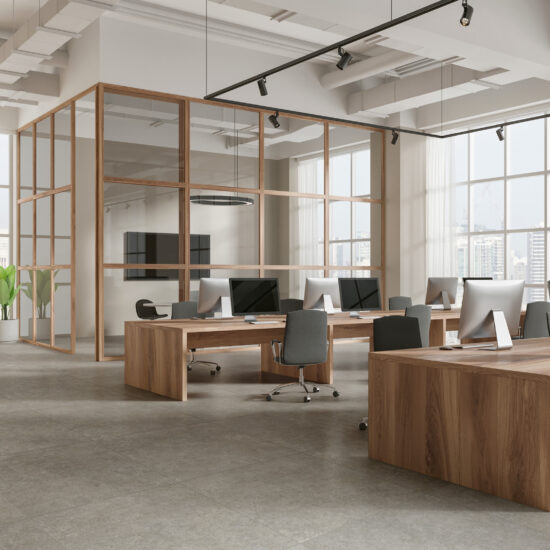


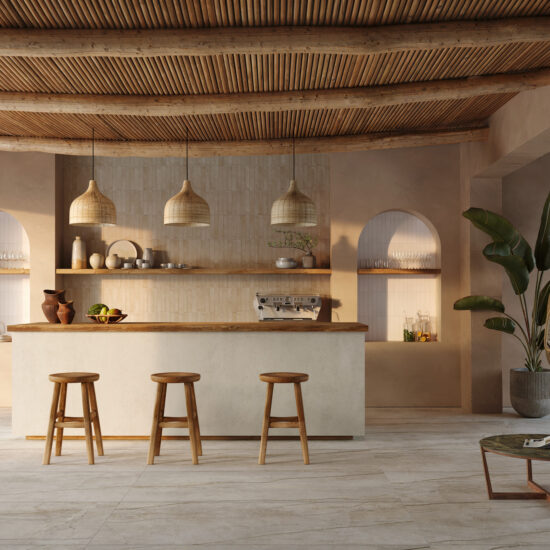


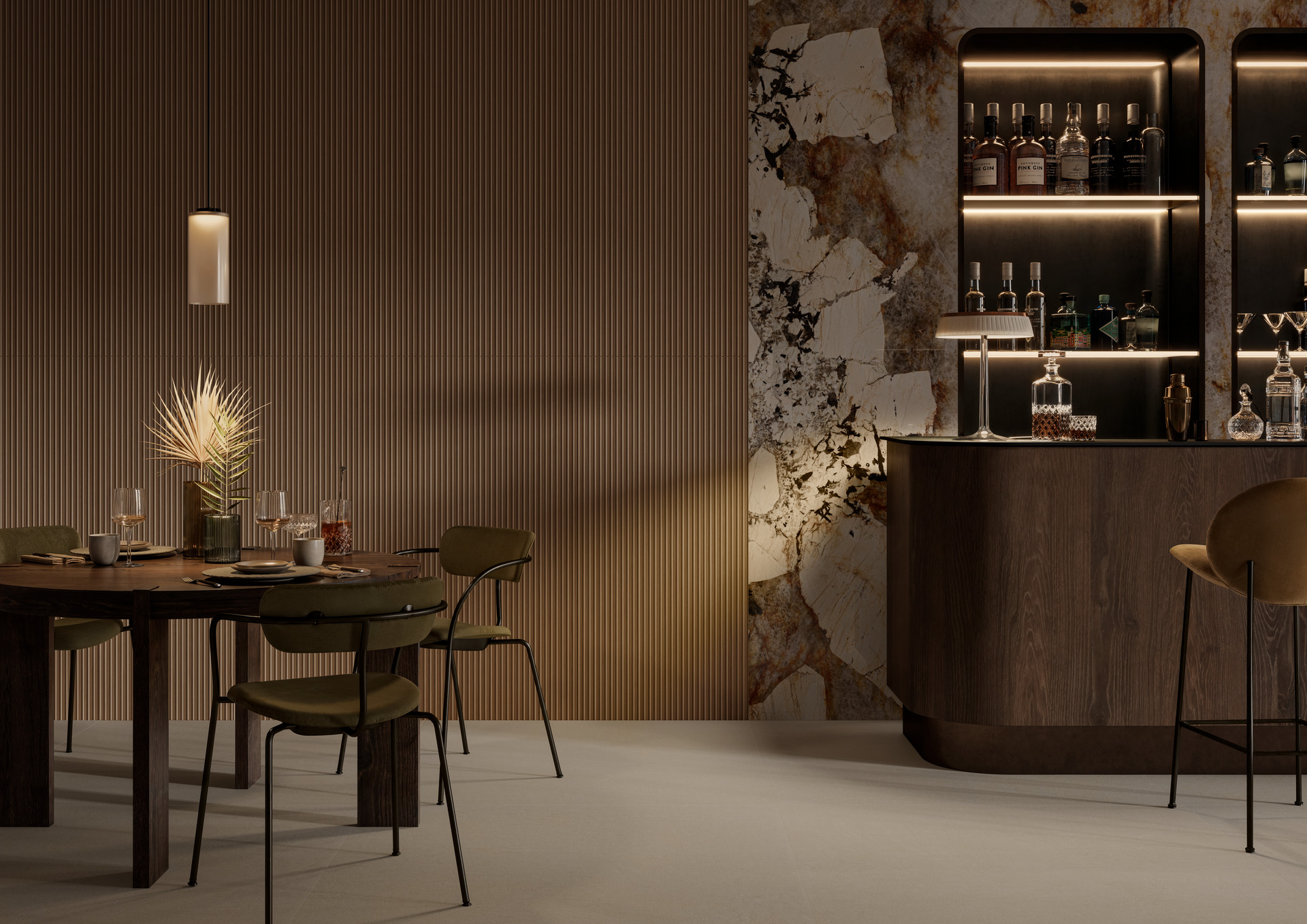
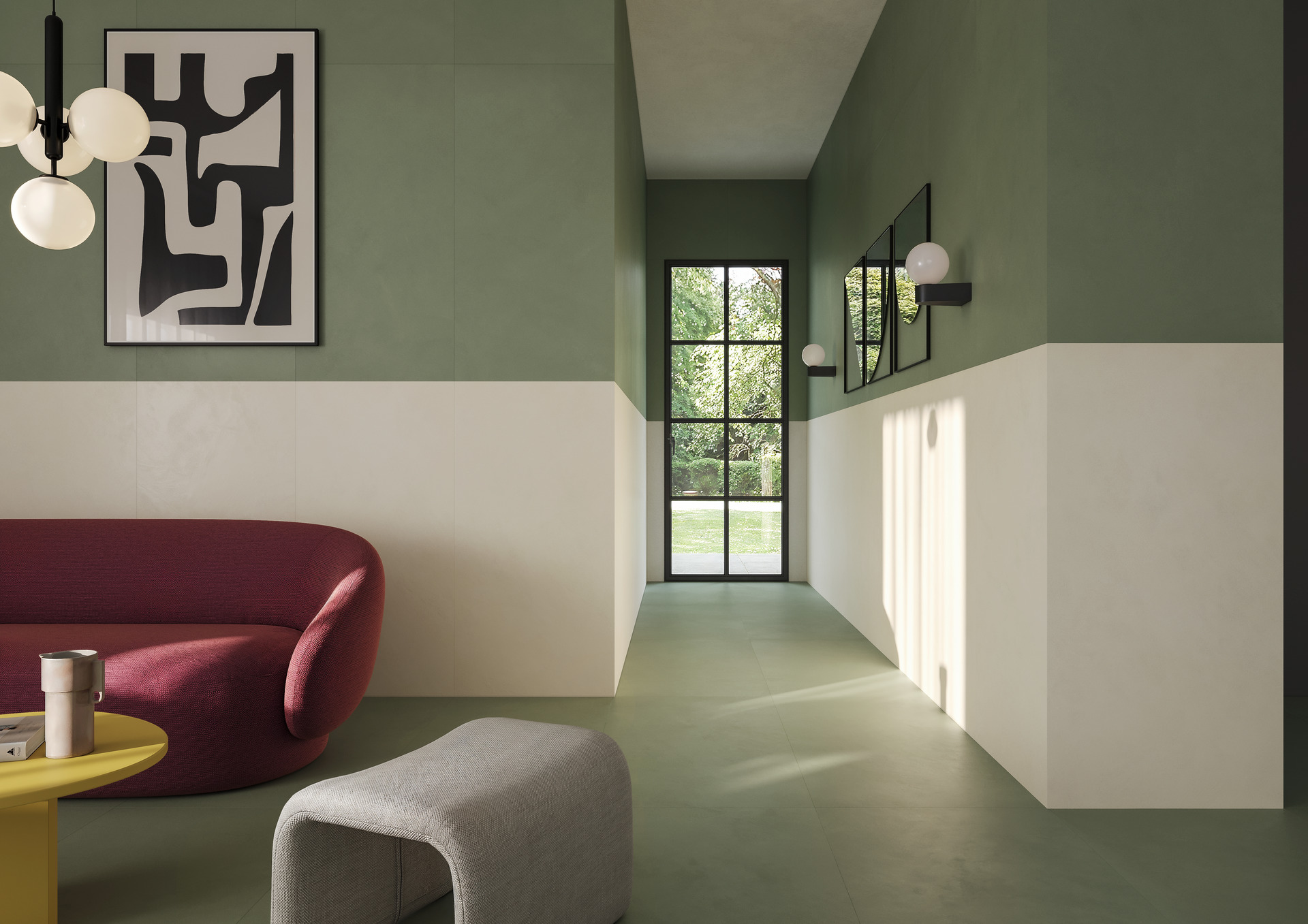
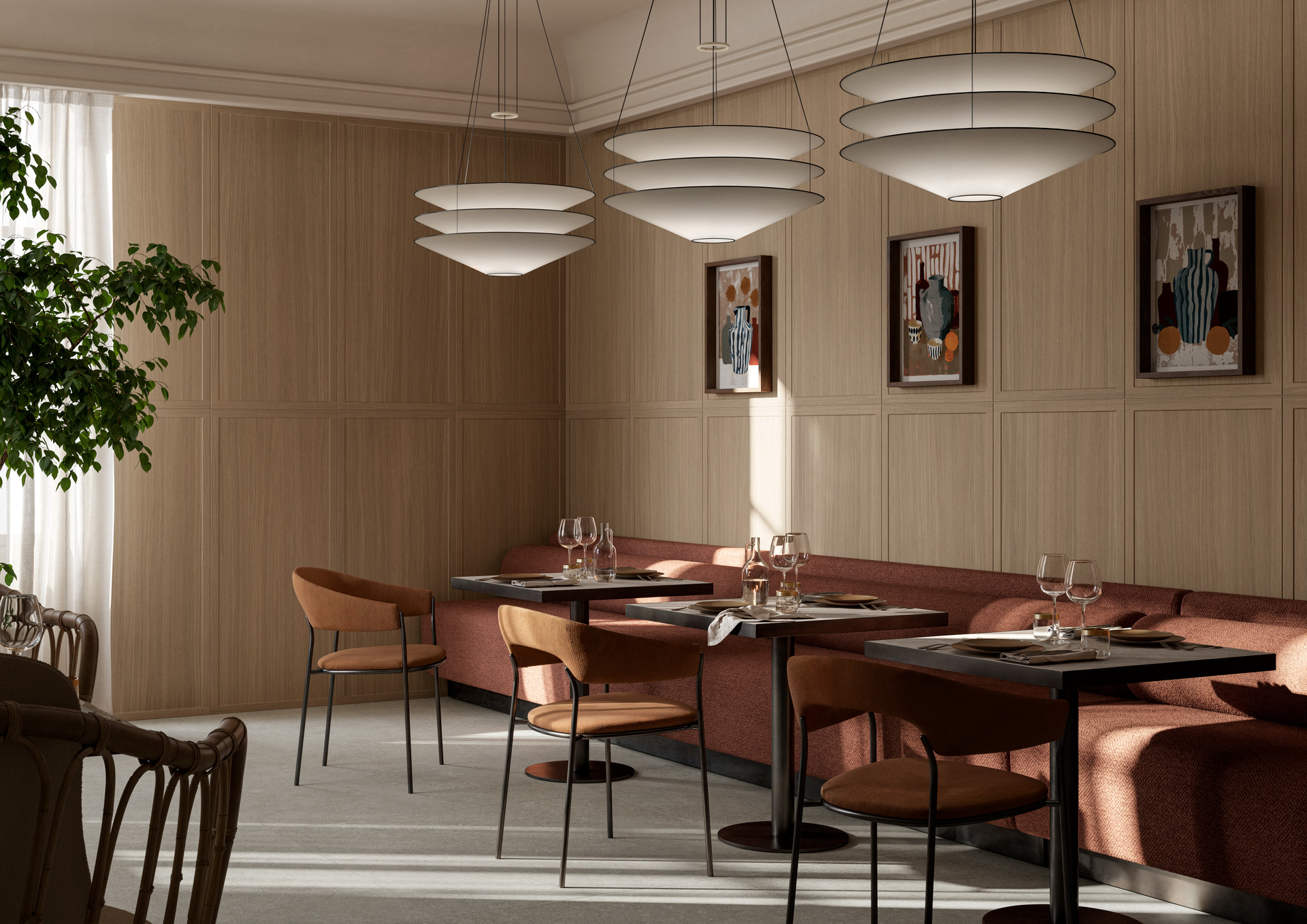
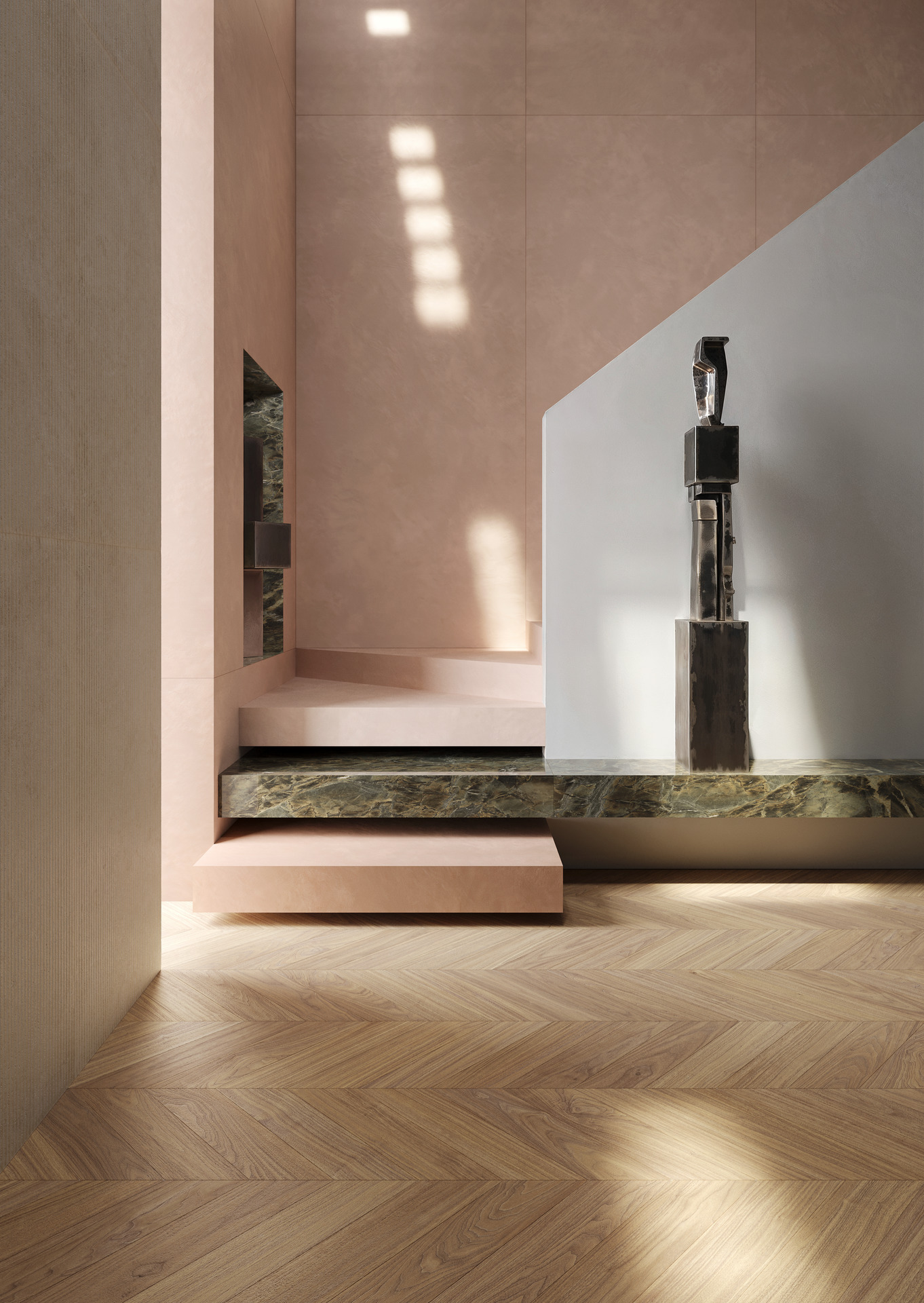
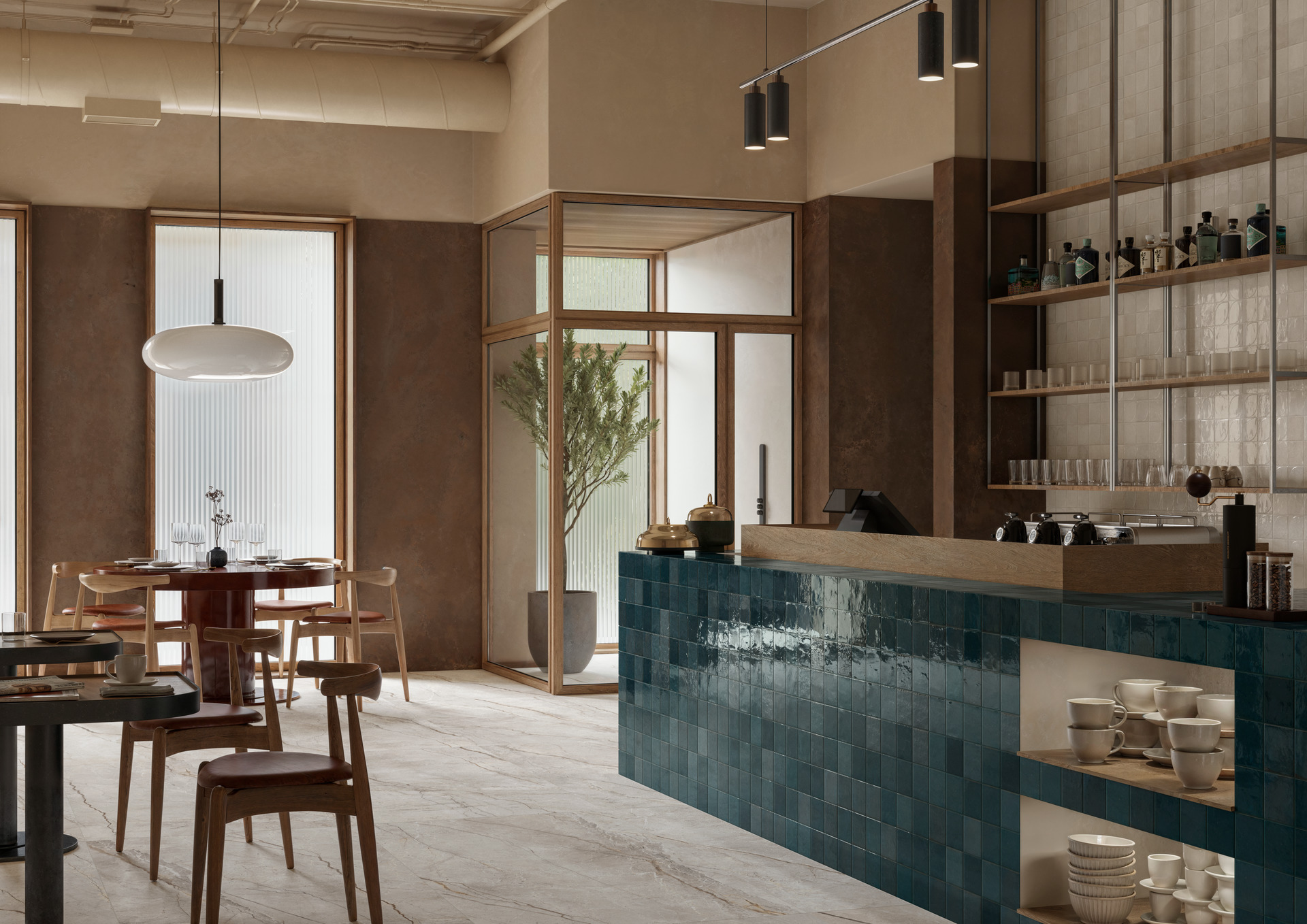
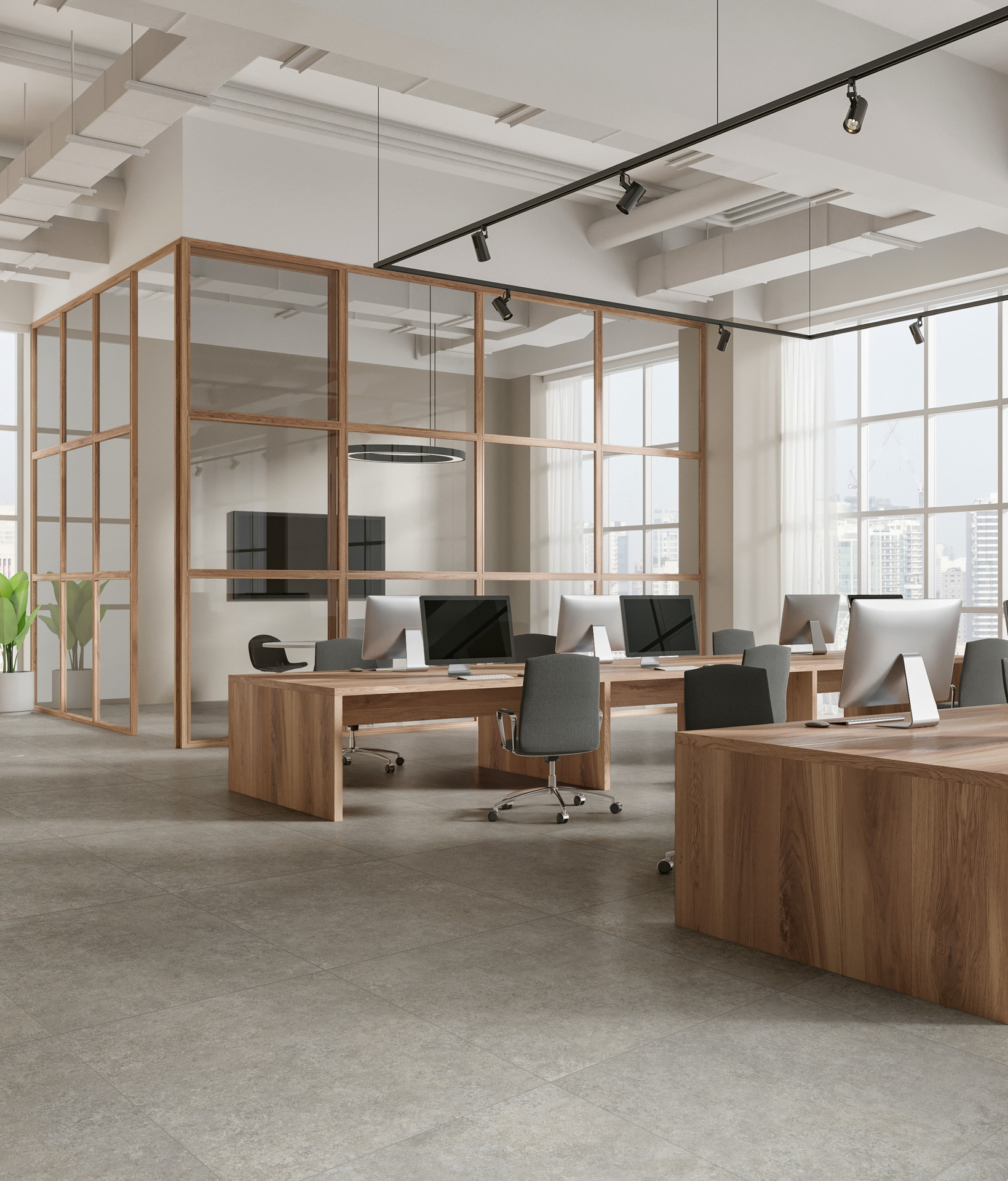
In commercial spaces, the flooring must combine durability, practicality, and aesthetics. Porcelain stoneware meets these needs with solutions designed to maintain their aesthetic and functional characteristics over time and, where necessary, with surfaces that offer greater slip resistance when wet. The choice of flooring can then be tailored according to the intended use, both from a technical point of view and for the image the space needs to convey. In a commercial setting, the choice of flooring starts from the actual use of the space. Durability, safety, and size thus become decisive criteria to identify the most suitable solution for the project. Shops, offices, and venues open to the public are subjected every day to different stresses: from continuous foot traffic to the use of trolleys and chairs with wheels, and even moving furniture. For these settings, it is important to choose a porcelain stoneware suitable for the intensity of use, helping to prevent surface deterioration and ensuring long-lasting durability. For more details, you can consult the guide dedicated to what can damage porcelain stoneware and how to avoid it. Collections such as Mystone Tivoli, Mystone Pietra di Sicilia, Slow and Slow Cold allow you to interpret these spaces with different effects, from stone to more minimal and textured surfaces. In entrances, service areas, and any spaces that may be exposed to water or humidity, it is important to plan for surfaces that offer increased safety when wet. For this purpose, the StepWise technology by Marazzi makes it possible to achieve anti-slip surfaces that are soft to the touch and easy to clean: three features that, for example, are found in the collections Mystone Limestone and Cementum. The level of slip resistance actually required varies from space to space, and it is always appropriate to define it with the designer based on the intended use of the area. In showrooms, halls, receptions, and large sales areas, large formats help reduce the number of joints and create more seamless and uniform surfaces. The large porcelain stoneware slabs thus help define a coordinated and contemporary look, particularly effective in large-scale contract projects, while also simplifying day-to-day surface maintenance. Depending on the type of venue, floors and wall coverings may need to meet different needs and expectations. Consequently, the priority may shift from effects, sizes, technologies, or performance. For example, while in a store it will be essential to consider the brand image, in an office the focus will be on simplicity and continuity, while in a restaurant, the sense of hospitality and hygiene. Even walls, vertical surfaces, and counters can be created with the same effects as the floor, for a fully coordinated project down to the last detail. In retail, flooring is an integral part of the point of sale's image: it helps define the atmosphere and can reinforce brand identity. Alongside the aesthetic aspect, it's important to consider the continuous flow of customers and, depending on the type of business, the presence of display units, trolleys, or furniture that are frequently moved. Stone, concrete, wood or more decorative tiles allow you to give the store very different styles, while the variety of sizes makes it possible to adapt the installation both to small spaces and to showrooms and large sales areas. In offices, the main focus is the order and simplicity of spaces, which need to give character to rooms without overwhelming them. Open spaces, meeting rooms, receptions, and common areas are areas where aesthetic continuity or minimal combinations are usually preferred. The Marazzi projects show how these principles can be interpreted in very different ways. In the Tyrolit offices, for example, the use of neutral tones and travertine-effect porcelain helps create balanced and continuous spaces; in the Ca’ Venezia sports center project Ca’ Venezia, on the other hand, the Cementum collection is offered in various colors, sizes, and surfaces to support the different functions of the interior spaces. Open by DoveVivo is another example to observe the use of Marazzi surfaces in contemporary workspaces. In the hospitality sector, a single project often includes rooms with very different functions. Restaurant areas, guest rooms, and receptions require surfaces that help create a welcoming atmosphere, while entrances, food areas, and service zones may require more attention to safety and hygiene. Porcelain stoneware allows you to differentiate surfaces while maintaining a coherent design language. In hotel rooms, for example, wood, stone, or other textured effects can help create a warm and comfortable atmosphere; in areas where hygiene is a central concern, it is possible to consider specific solutions such as collections featuring Puro Marazzi Antibacterial technology. Counters , fronts, and other furnishing elements can also be clad with porcelain, especially using large slabs to achieve seamless and customized surfaces. Marazzi projects also show just how varied ceramic applications can be in these contexts: at the Tuscany Hotel Alle Dune, different formats, colors, and layouts define the hall, bar, rooms, and bathrooms, while at the Di Sotto Wine Bar, porcelain is used not only for floors and walls but also for counters and tabletops. The project AER in Desenzano instead offers an example of using specific surfaces for outdoor spaces, with exterior paving, terraces, and raised flooring solutions. Porcelain stoneware is used in many other settings open to the public or subject to heavy use: In many cases, yes. There are reduced-thickness porcelain solutions that allow you to renovate the floor while reducing demolition and construction time. Feasibility, however, depends on the condition of the substrate, available heights, and the type of installation planned, aspects that need to be checked during the design phase with a qualified installer. Porcelain stoneware is suitable even for spaces subject to intensive use because it requires simple routine maintenance. You can find all the instructions in the guide on how to clean porcelain stoneware. The slip resistance must be chosen based on the intended use and the specific conditions of the space and must also take into account the regulations applicable to spaces open to the public. Marazzi offers surfaces with different levels of slip resistance to meet various design requirements, but it is always advisable to consult with the designer or a technician, who can identify the necessary class case by case.
Marazzi Recommends
Criteria for choosing porcelain stoneware for stores, offices, and commercial spaces
Porcelain stoneware floors: resistant to heavy traffic and wear, no compromises
Anti-slip surfaces and maximum safety in spaces open to the public
Large slabs and seamless surfaces for cladding very large contract spaces
All commercial spaces where porcelain stoneware can be used for floors and wall coverings
Flooring for stores and retail sales spaces
Flooring for offices and workspaces
Flooring and surfaces for bars, restaurants, and hotels
Other examples of commercial spaces that use porcelain stoneware
Frequently asked questions about porcelain floors for commercial activities
Can a new floor be installed over the existing one without closing the business for a long time?
How do you clean and maintain porcelain floors in high-traffic rooms?
How do you determine the slip resistance required for your space?
