









Grande Stone Look
- Colors 37
- Surfaces 5
- Sizes 4





Large-format surfaces and slabs minimize joints and visually expand the space, both on floors and walls. Discover the finishes and collections available in the largest sizes.


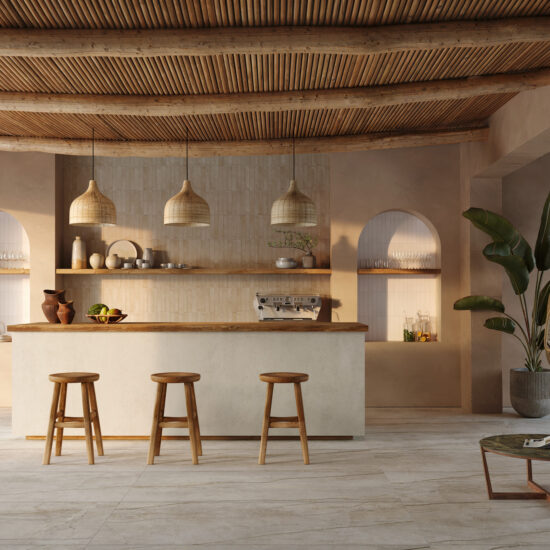

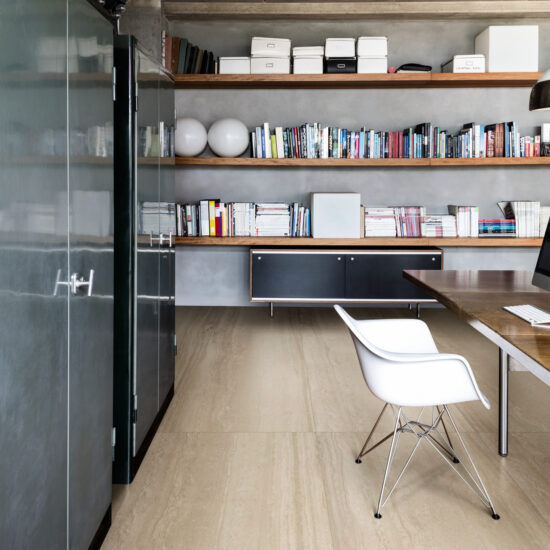
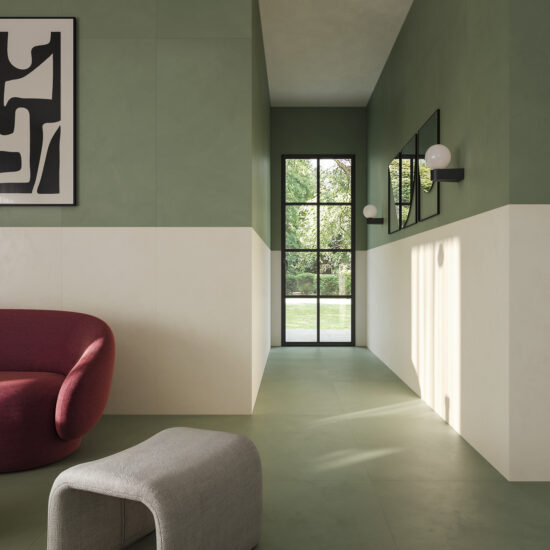
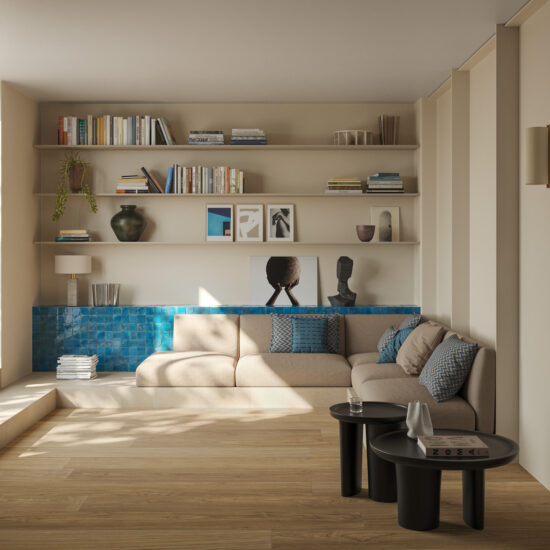
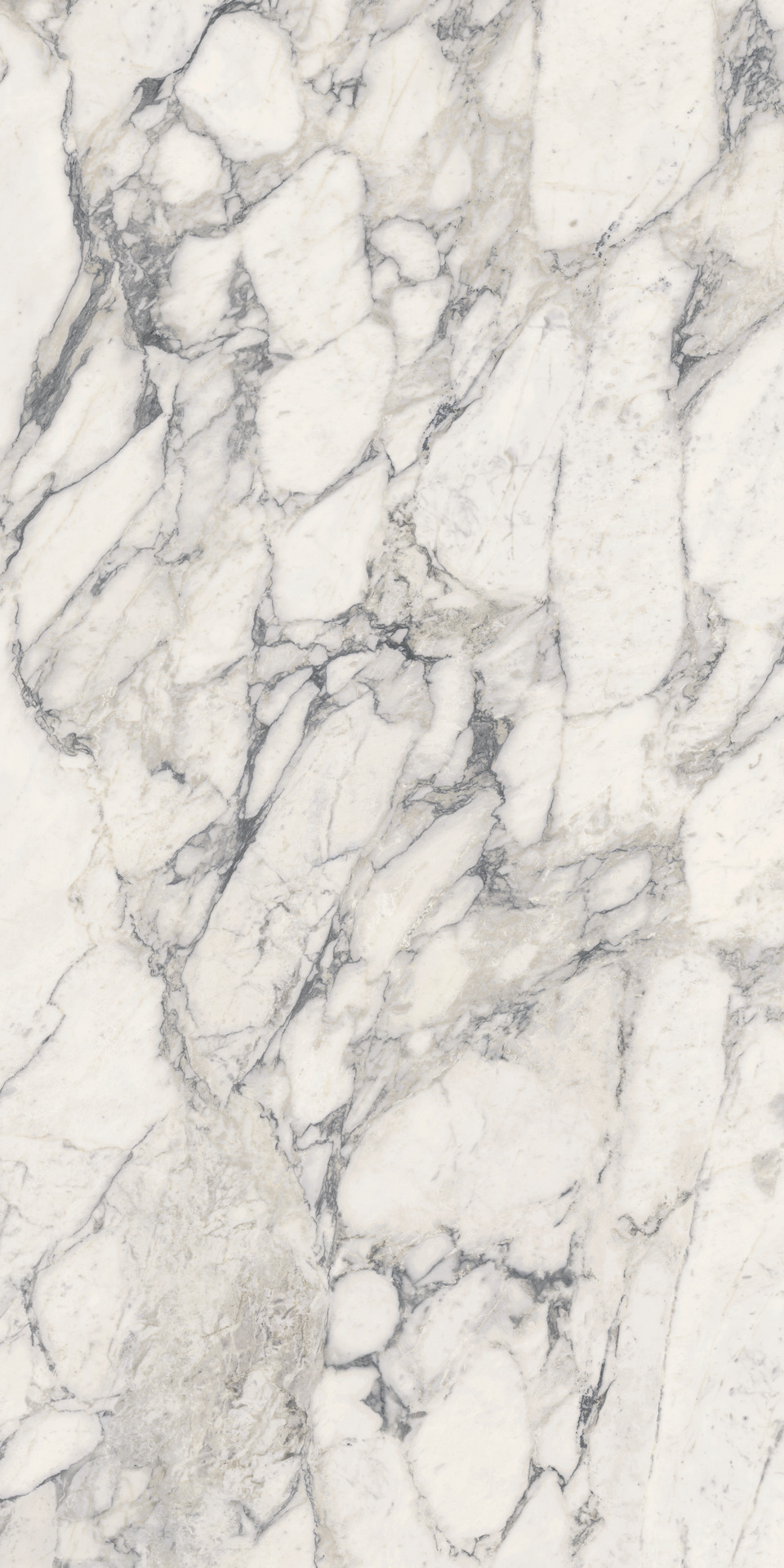
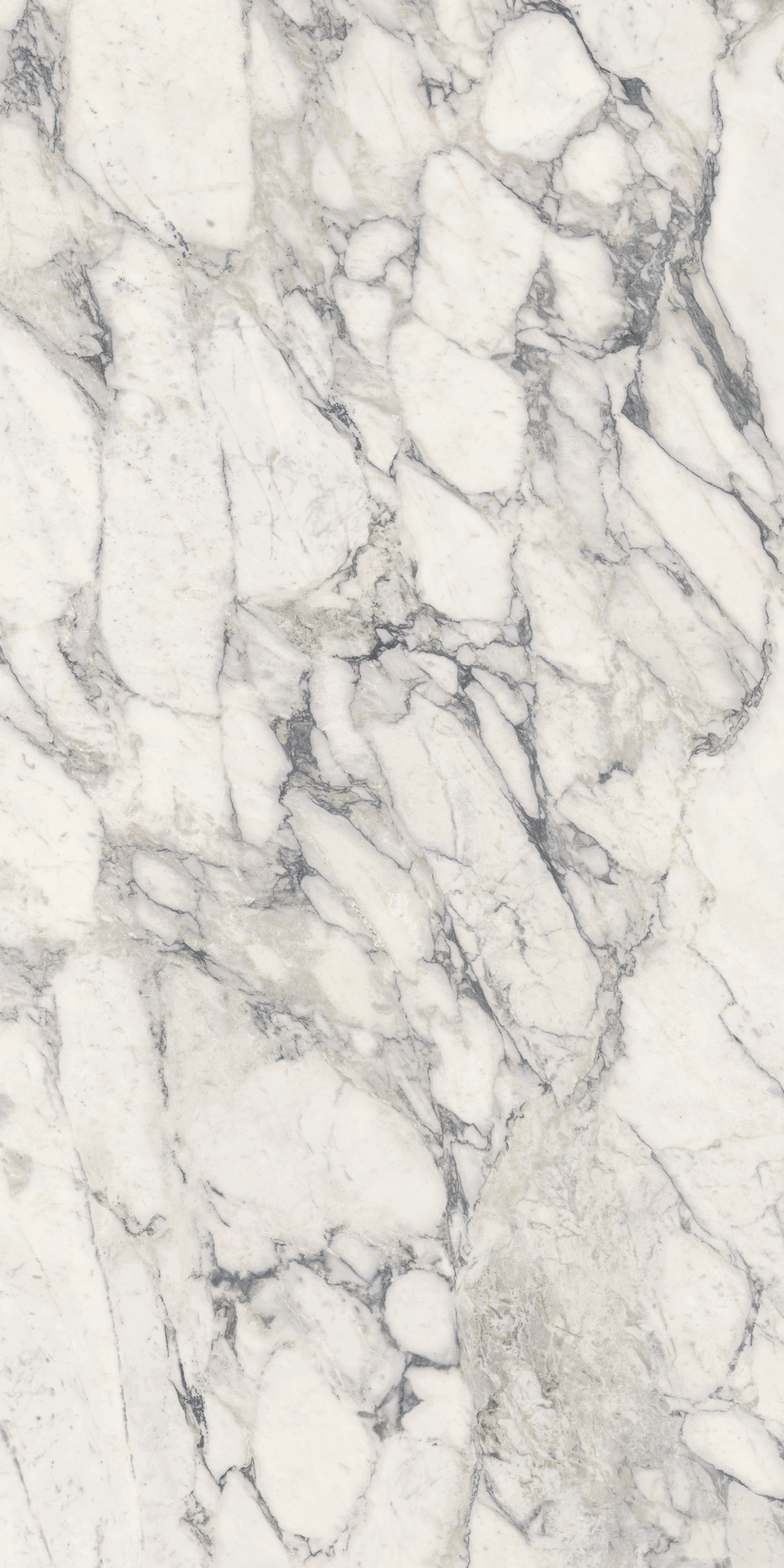
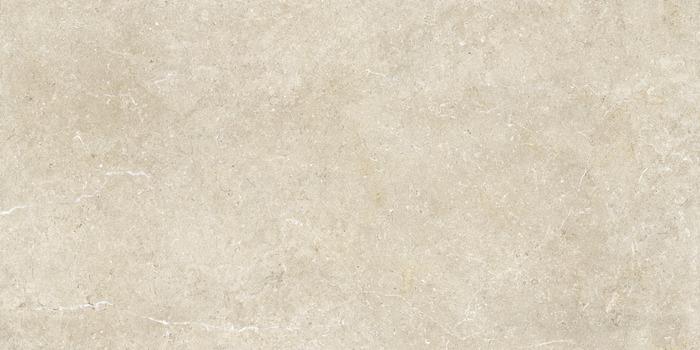
The large format includes various solutions, from large-sized tiles to extra-large slabs also available in sizes such as 60x120 and 120x120, all sharing the ability to reduce the visual presence of grout lines and give greater continuity to the surface. The choice therefore starts from the desired result and the characteristics of the space: room proportions, substrate regularity, and installation quality all impact the final outcome. Also, appearance and finish should be evaluated according to the intended use, since a floor surface and a feature wall may require different solutions while maintaining the same aesthetic language. With large-format tiles and slabs, grout lines are less noticeable and the surface design appears more seamless. This allows you to better showcase veining, textures, and color variations, especially when the chosen effect has a strong material component. Large format is well-suited for projects aiming to make spaces more essential and contemporary. It is one of the most effective ways to make a room appear larger, along with the choice of colors and coverings. Continuity can be achieved with large formats or with large slabs, which provide more space for the surface design and further reduce visual interruptions. Nobilis highlights the wood effect through synchronized graphics and structure. With Mystone Pietra di Sardegna and Mystone Breccia dei Berici, on the other hand, the large format emphasizes the depth and materiality of stone. The marble effect of Allmarble takes advantage of the larger surfaces to give more breath to the veining, enhancing the design. For even more extensive surfaces, there are the Grande lines, which bring effects to large slabs with high-definition graphics. In the Grande Stone Look, Marble Look and Concrete Look versions, 3D Ink technology also recreates the volume and three-dimensionality of the material. Flooring is one of the main uses of large format. The continuous surface runs through the home without breaks, from the living area to the kitchen and bathroom. With fewer grout lines, the floor appears more uniform and orderly, and large spaces benefit from a more open feel. In the most heavily used areas, stone-effect collections with High Performance technology, designed for the most stressed surfaces, work particularly well: For a contemporary floor, there's Cementum: its essential cement tones are enriched by material inclusions within the body, made possible by Body Plus technology, giving the surface a more natural look. Discover all Marazzi collections dedicated to flooring. As wall coverings, large format and slabs are particularly suited to full-height walls and decorative partitions, where the material’s design can develop with few interruptions. The most graphic effects achieve an especially expressive result here: Allmarble and Grande Marble Look extend veining in a continuous pattern, leading the eye from floor to ceiling. Resin offers instead a uniform, contemporary surface without veining, where color takes center stage. These solutions can be used to highlight a feature wall or to create coordinated cladding with the rest of the room. Discover all Marazzi collections dedicated to wall coverings. Large slabs find a natural application in both bathrooms and kitchens, where they help create visually compact and continuous surfaces. In the bathroom, they can make the room feel more airy and tidy, while in the kitchen they are ideal for walls and backsplashes, delivering a uniform result that is easy to keep clean every day. Read also: How to Tile a Small Bathroom: Ideas and Tips Large-format porcelain stoneware tiles aren't just for indoors: they can also be used on terraces, patios, and outdoor spaces, with different solutions depending on the needs of the project. In many cases, the large format retains its traditional thickness and only the surface changes, designed for outdoor use. When required by the project, you can opt for a large format with 20 mm thickness. The most suitable solution is defined with the designer, based on the substrate and the use of the space. The Grande line slabs, with a 6 mm thickness, are instead designed for indoor floors and wall coverings. They are not suitable for installation on outdoor flooring fully exposed to the elements, for which one of the previous solutions should be chosen. The choice between traditional large format, 20 mm thick tiles, and Grande slabs therefore depends on the specific features of the project, the intended application, the type of installation, and the performance requirements of the surface. For the marble effect there's Grande Marble Look, one of the widest ranges in the line: from classic whites like Statuario and Calacatta to onyx, and even colored marbles such as Verde Borgogna and Sodalite Blu, in matte, satin, and glossy finishes. Grande Stone Look is the slab version of the stone effect. It reproduces stones already present in the Mystone line and allows you to coordinate the wall slab with the traditional floor format of the same stone. The most essential surfaces are found in Grande Concrete Look, which interprets the concrete effect in eighteen shades, from neutral greys to warm earth tones. Grande Resin Look gives the resin effect a fluid appearance in eleven colors, ranging from white to sage green to brick red. For those seeking a bolder material, Grande Metal Look offers the reflections and depth of the metal effect, in Corten and Iron Dark versions. In solid-color slabs, color takes center stage. Grande Solid Color offers a pure white in matte, satin, or glossy finish, suitable for minimal design where the neutral surface serves as a backdrop for furniture and architecture. Grande Lume brings the intense colors of the Crogiolo collection to slabs, such as Obsidian, Cobalt, and Malachite, with a glossy surface that reflects light and adds depth to the color. Discover all available tile colors. Compared to other formats, a single large slab covers an area that would require many tiles, minimizing cuts and grout lines. The Grande line features slabs in sizes 160×320, 120×278, 120×240, and 120×120 cm, all with a thickness of 6 mm. They are designed for indoor flooring and wall coverings, where the reduced thickness allows you to cover large surfaces without compromising the performance required for the application. The large slabs of the The Top (the range designed for countertops and furniture surfaces), are available in 6, 12, and 20 mm thicknesses, to be chosen according to the intended use. Yes. In a compact space, it is especially important to plan the slab cutting according to the room’s measurements, to limit waste and visible cuts. With fewer grout lines dividing the surface, even a small room appears more airy and tidy. Due to their size and thickness, large slabs require particular care during handling, cutting, and installation. For this reason, it is always advisable to rely on experienced installers. Fewer grout lines can make routine surface maintenance easier. Porcelain stoneware can still be cleaned with the usual care recommended for the material, while grout lines should be included in periodic cleaning. For more details, you can consult the guide on how to clean tile grout.
Marazzi Recommends
All the Advantages of Large Format: Continuous Surfaces and Fewer Grout Lines
How Large Format Changes the Perception of Space
From Large Formats to Large Slabs: The Marazzi Collection
Uses of Large Formats for Floors Throughout the Home
Large Format and Slabs for Walls and Cladding: Full-Height Walls and Seamless Effect
Large Slabs in Bathrooms and Kitchens
Seamless Transition Between Indoors and Outdoors Thanks to Large-Format Tiles Outdoors
All the Available Effects in Large-Format Porcelain Stoneware Slabs
Solid-Color Slabs for Neutral Wall Coverings and Floors
Sizes and Thicknesses of Large Slabs
Frequently Asked Questions About Large Format
Can Large Format Be Used in a Small Room?
Do Large Slabs Require Specialist Installers?
Do Fewer Grout Lines Mean Less Maintenance?
