





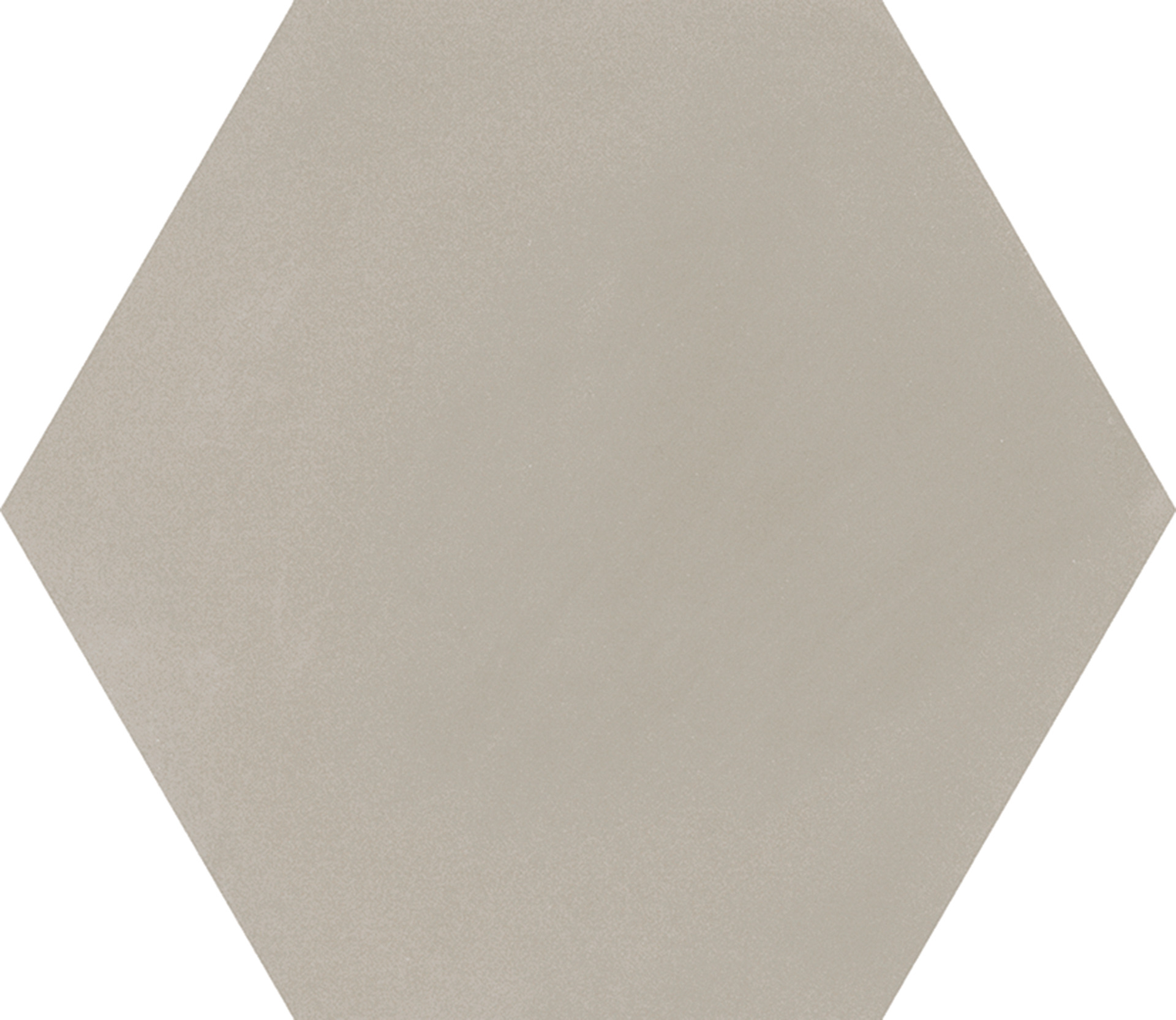
Lume
- Colors 16
- Surfaces 1
- Sizes 3





With their unique and modular design, hexagonal tiles represent one of the most interesting trends in the world of contemporary ceramics. Marazzi interprets this format with a versatile and refined proposal, designed to meet the needs of architects, interior designers, and end customers.
Hexagonal Tiles for Floors and Walls
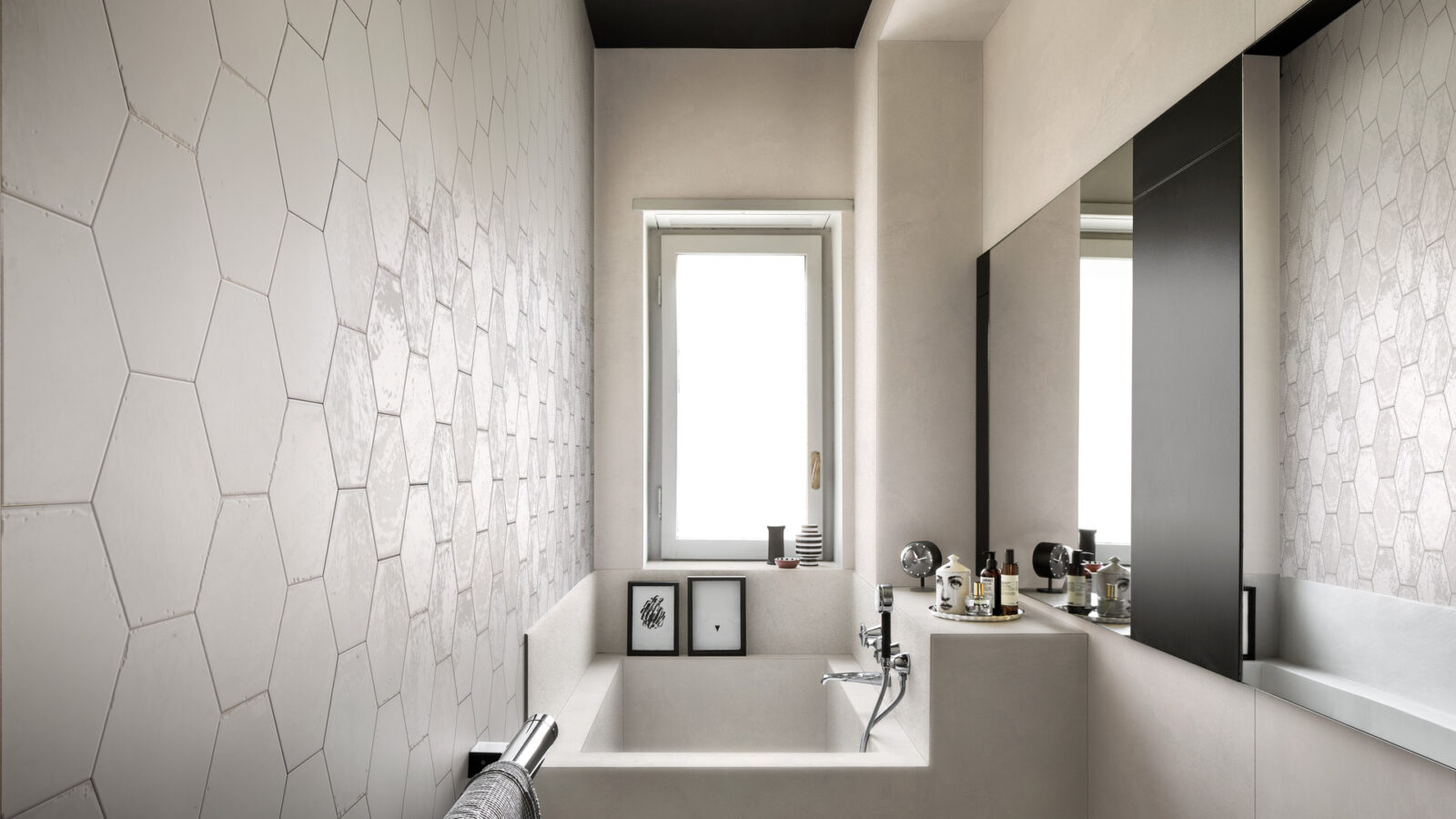
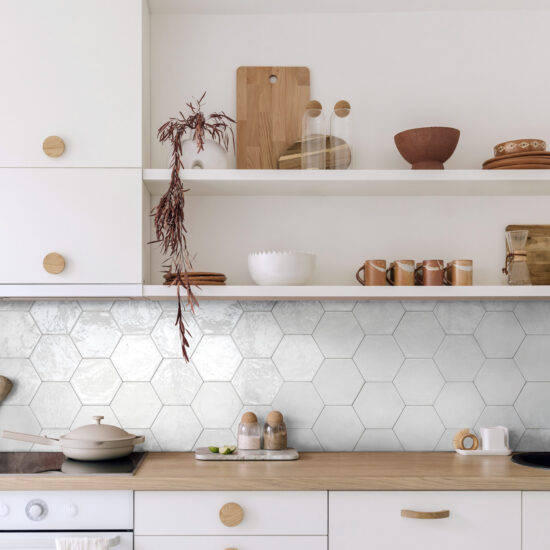
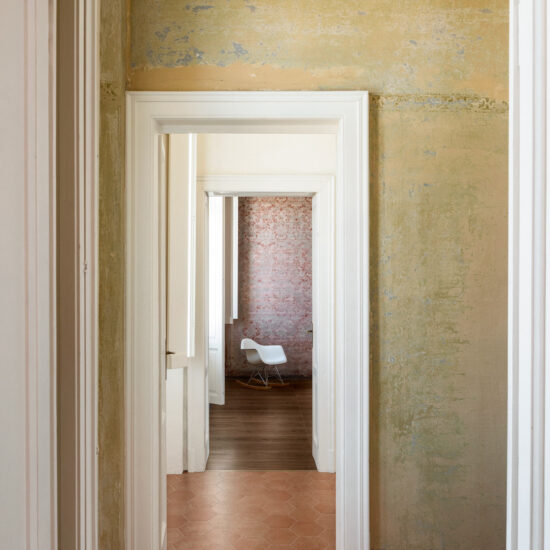
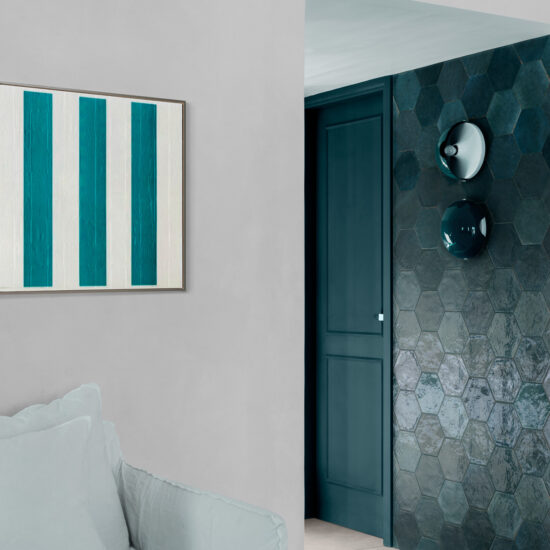
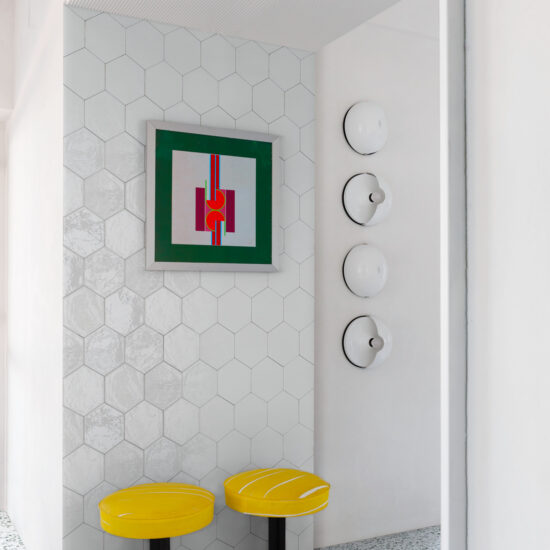
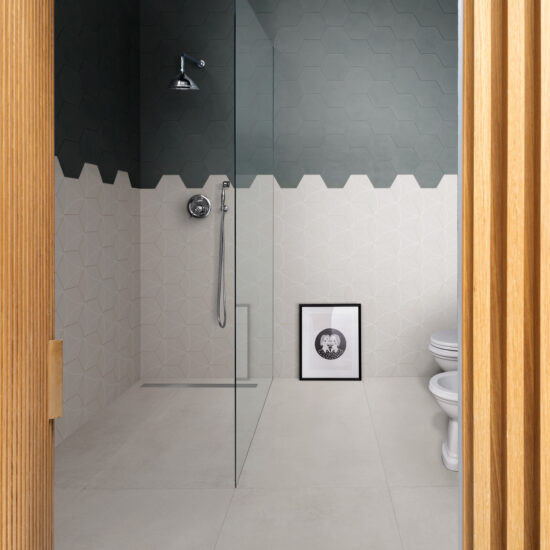
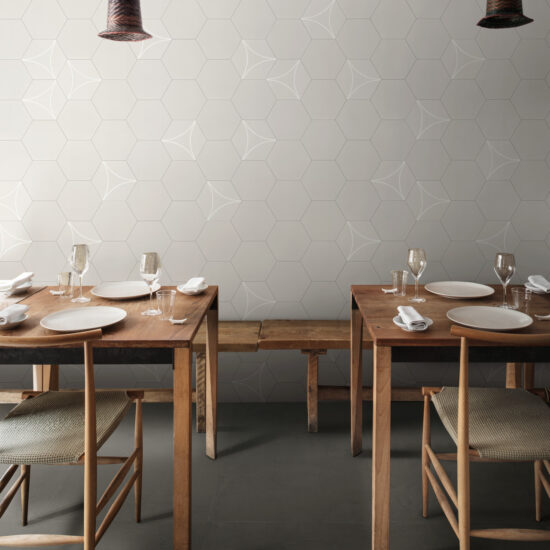
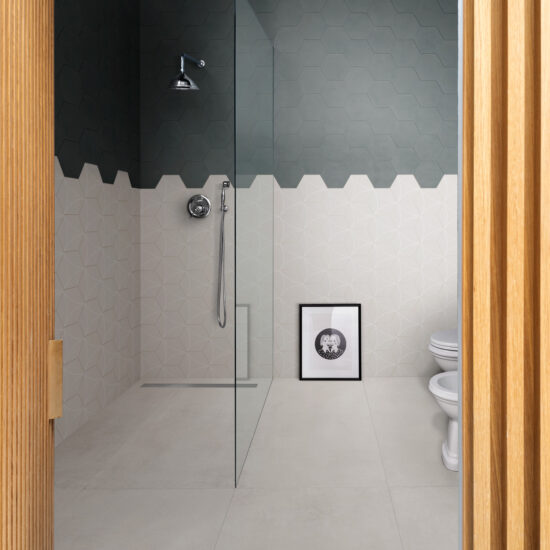
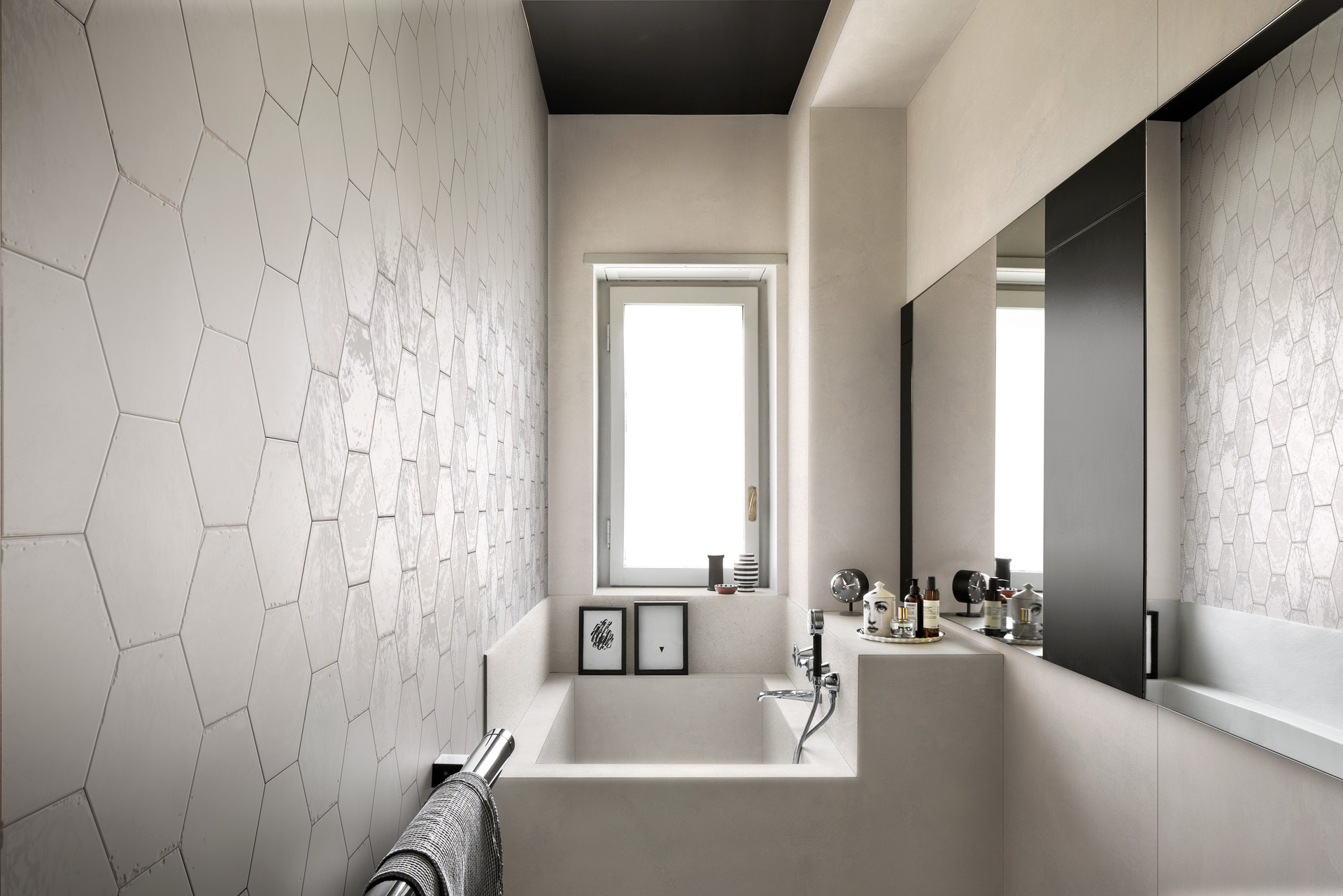
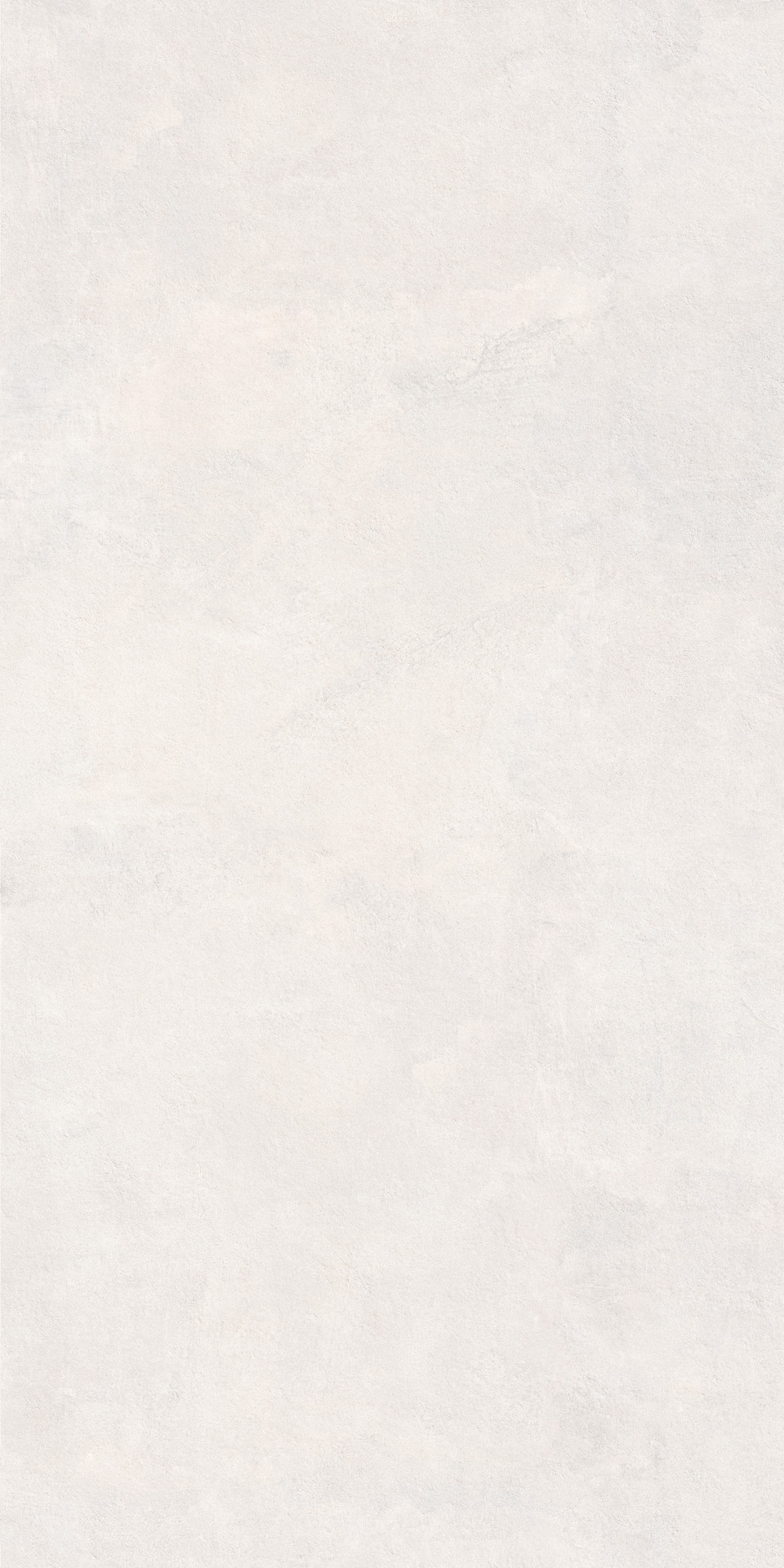
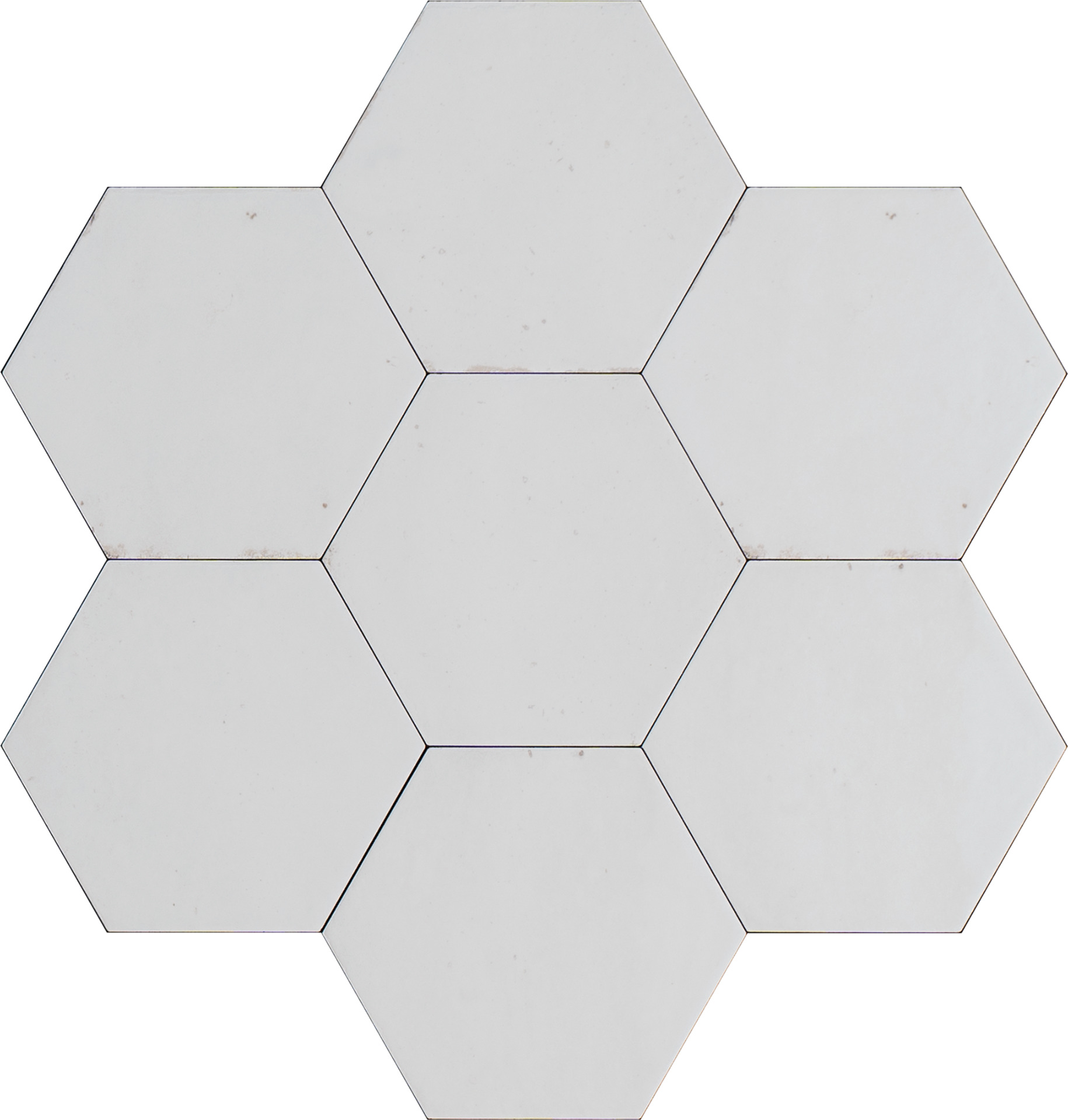
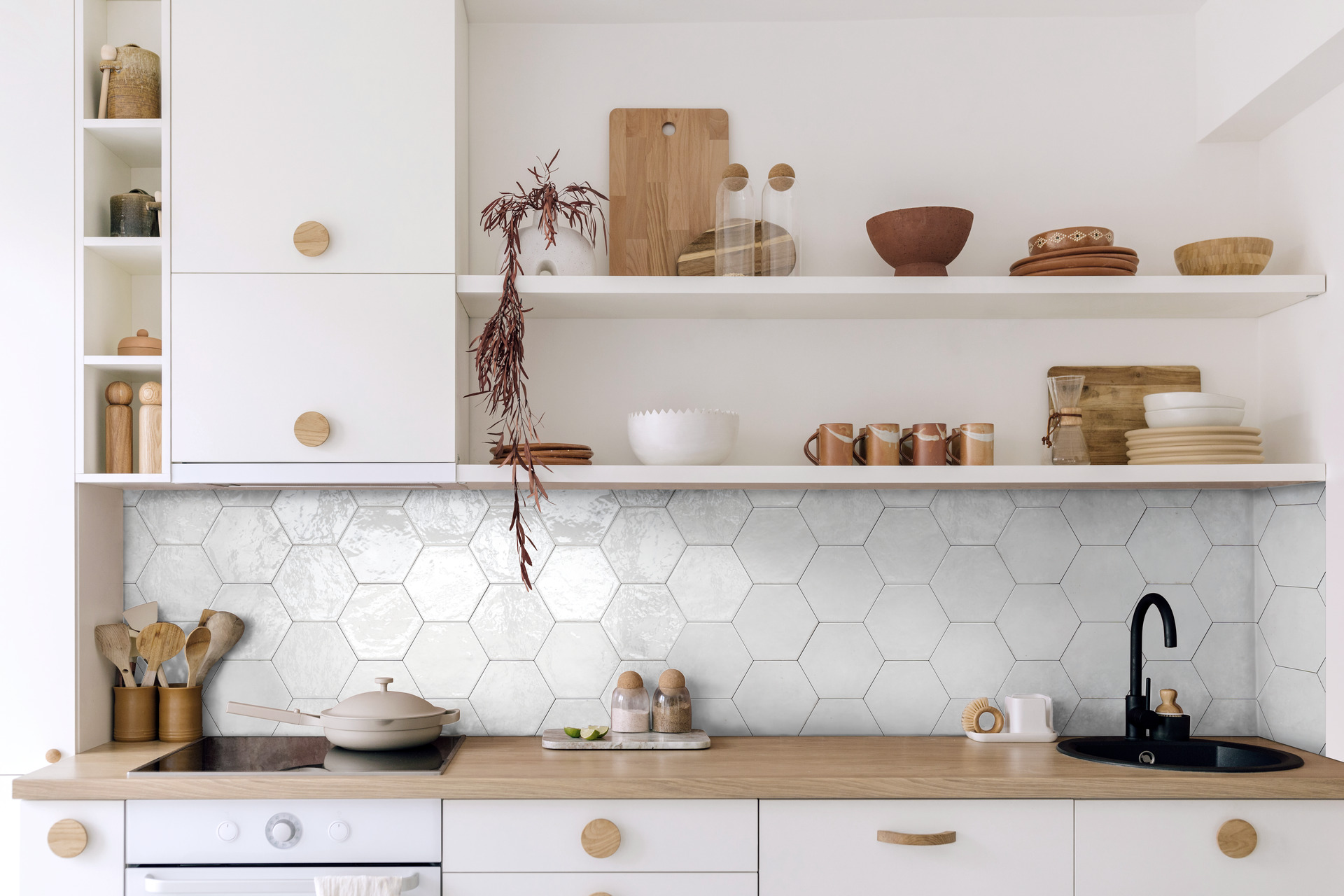
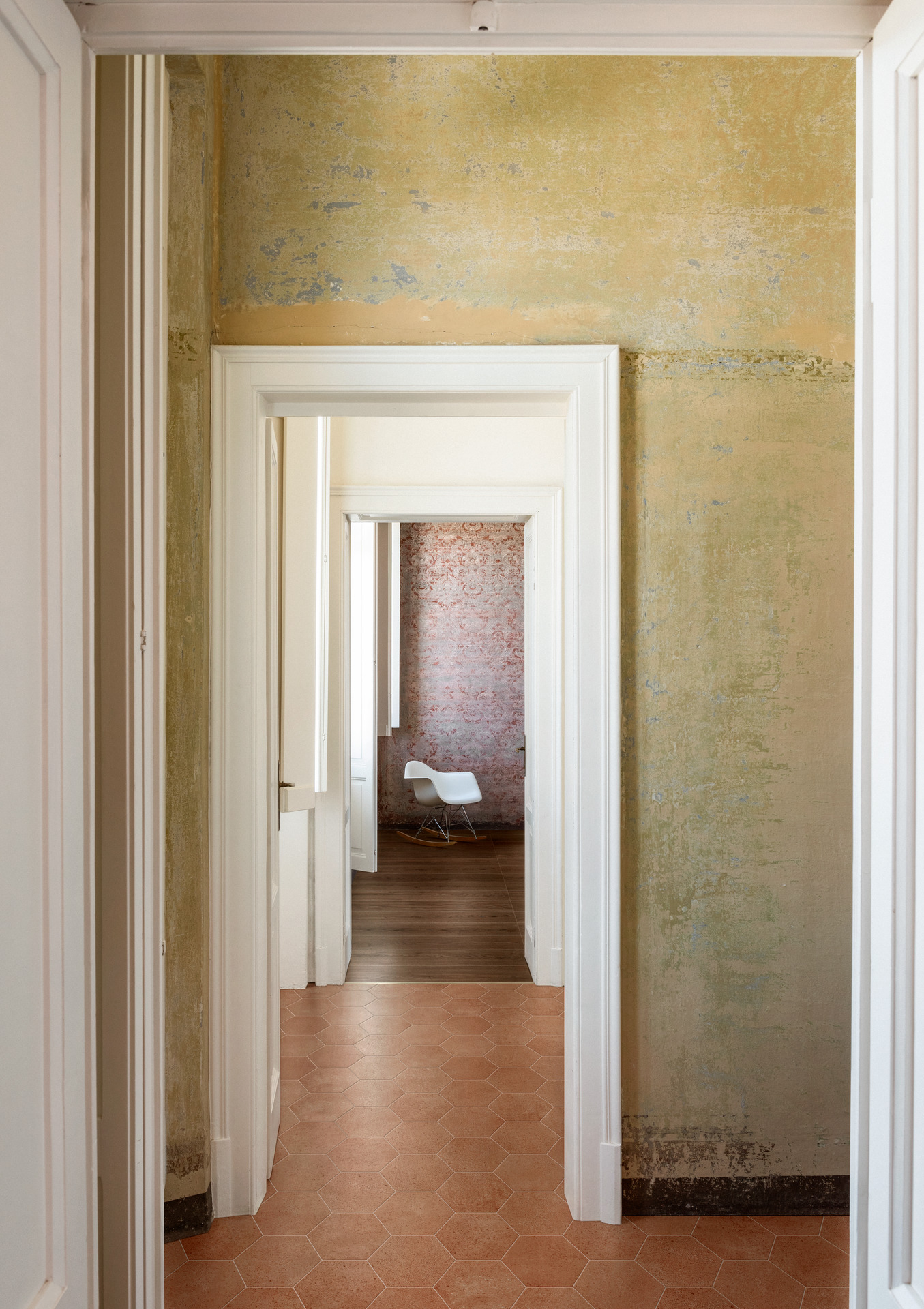
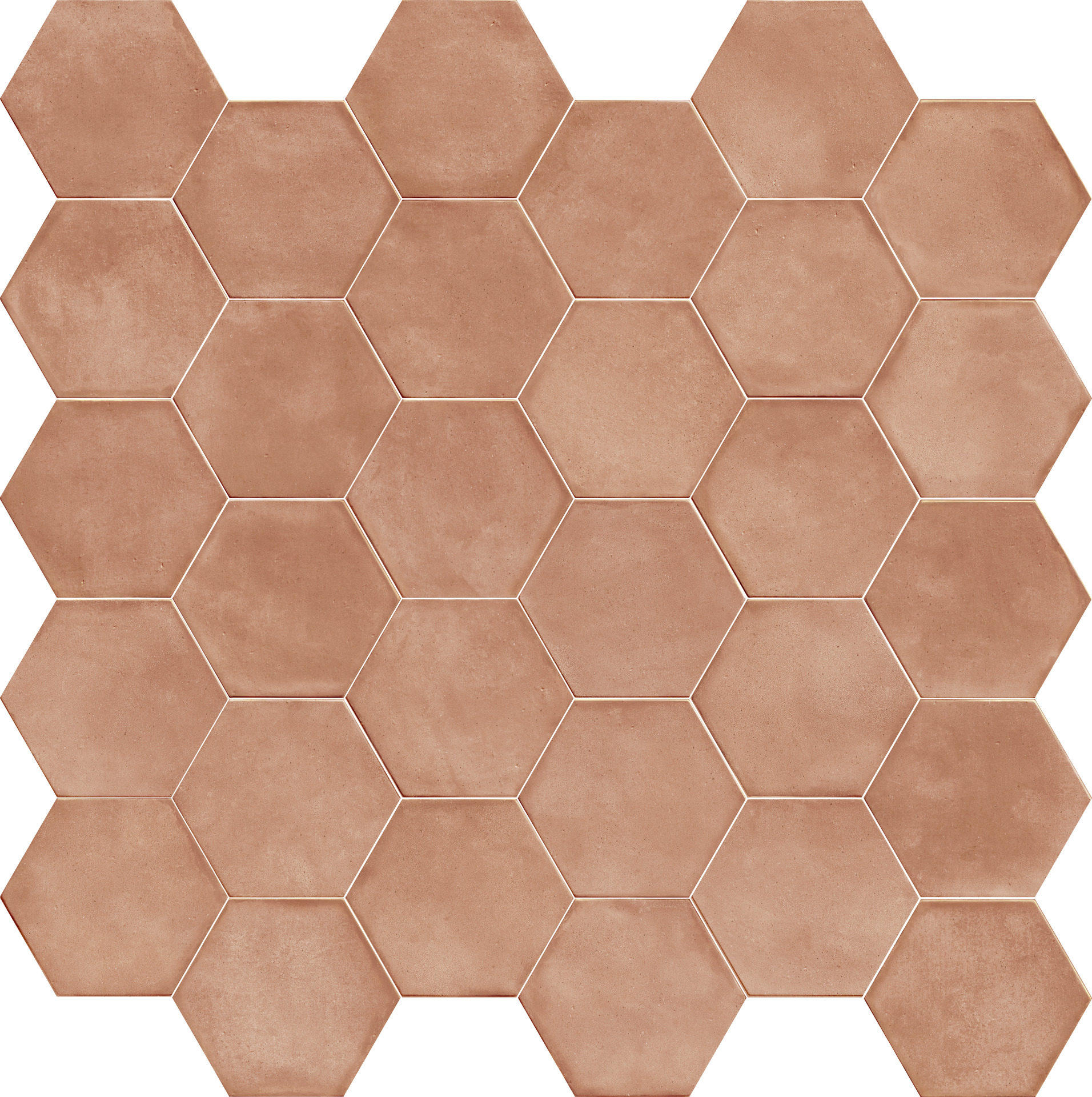
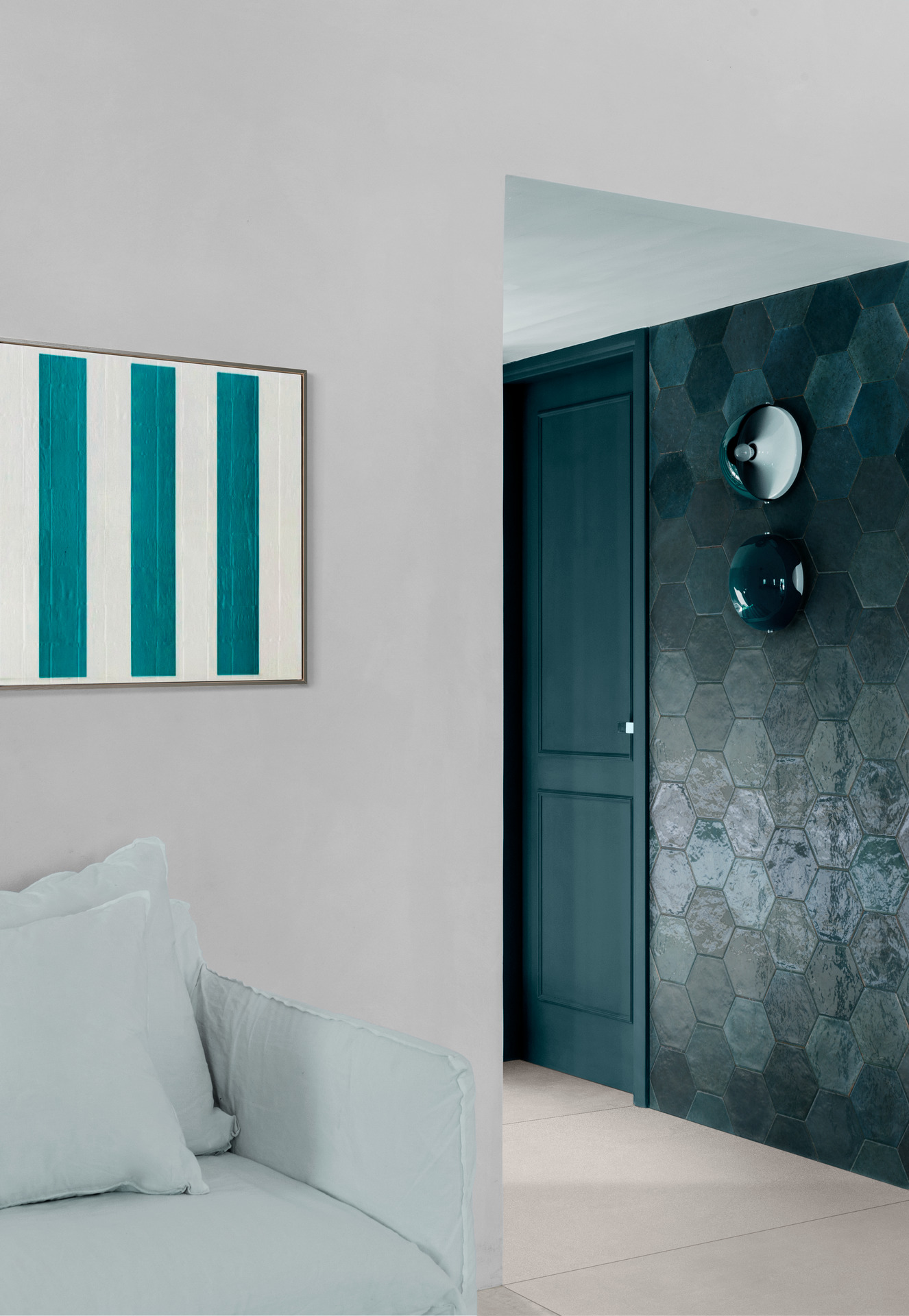
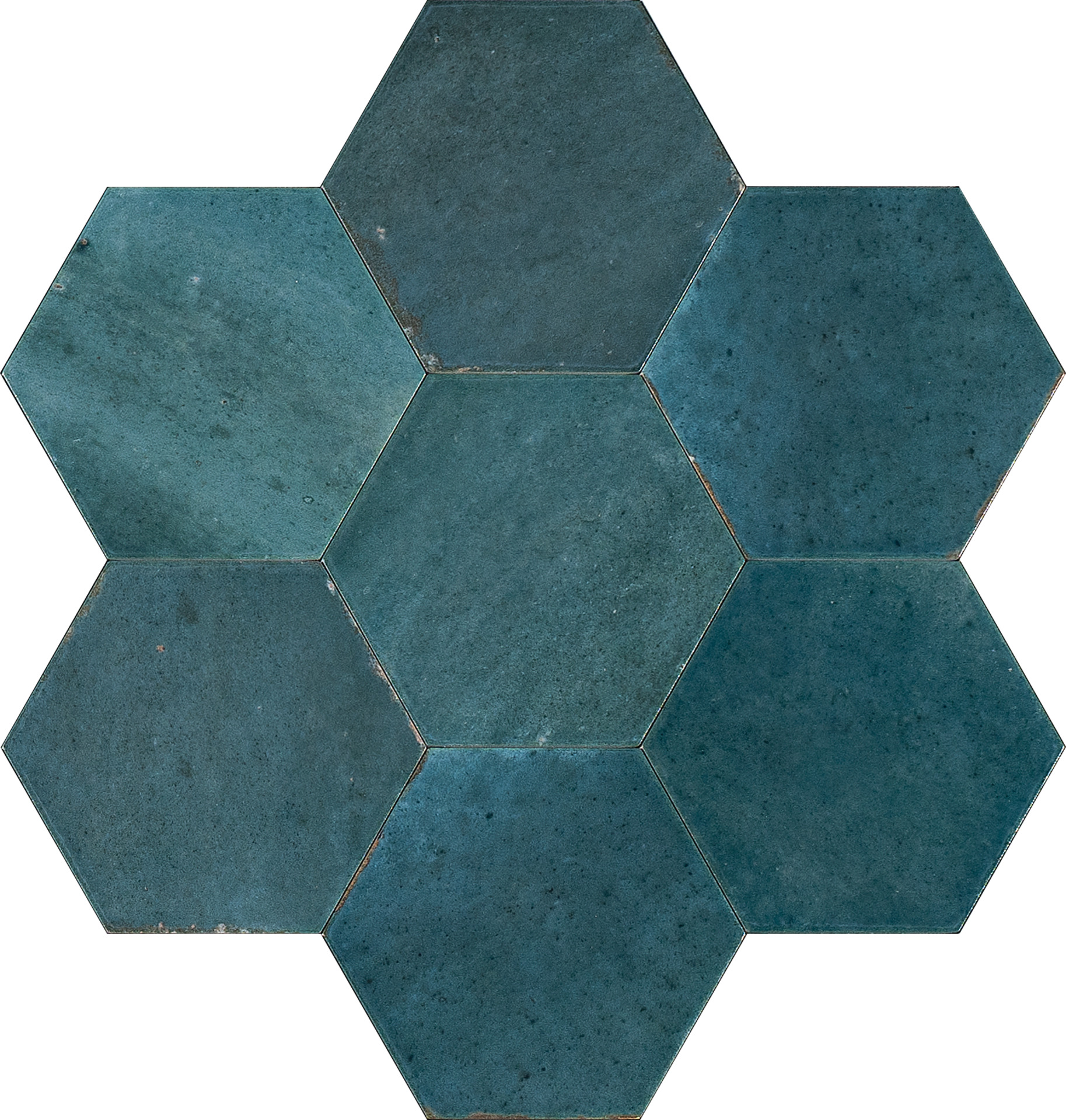
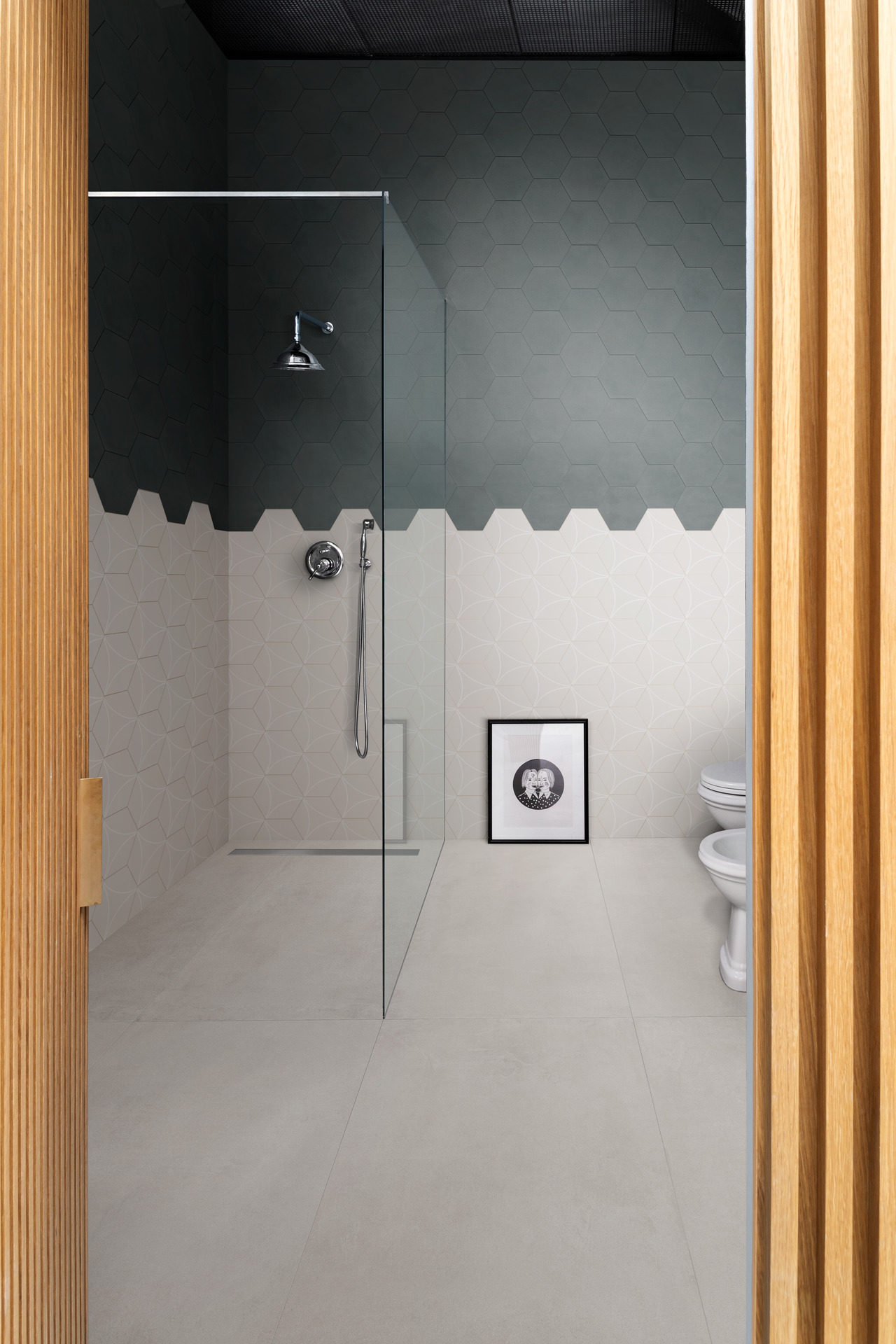
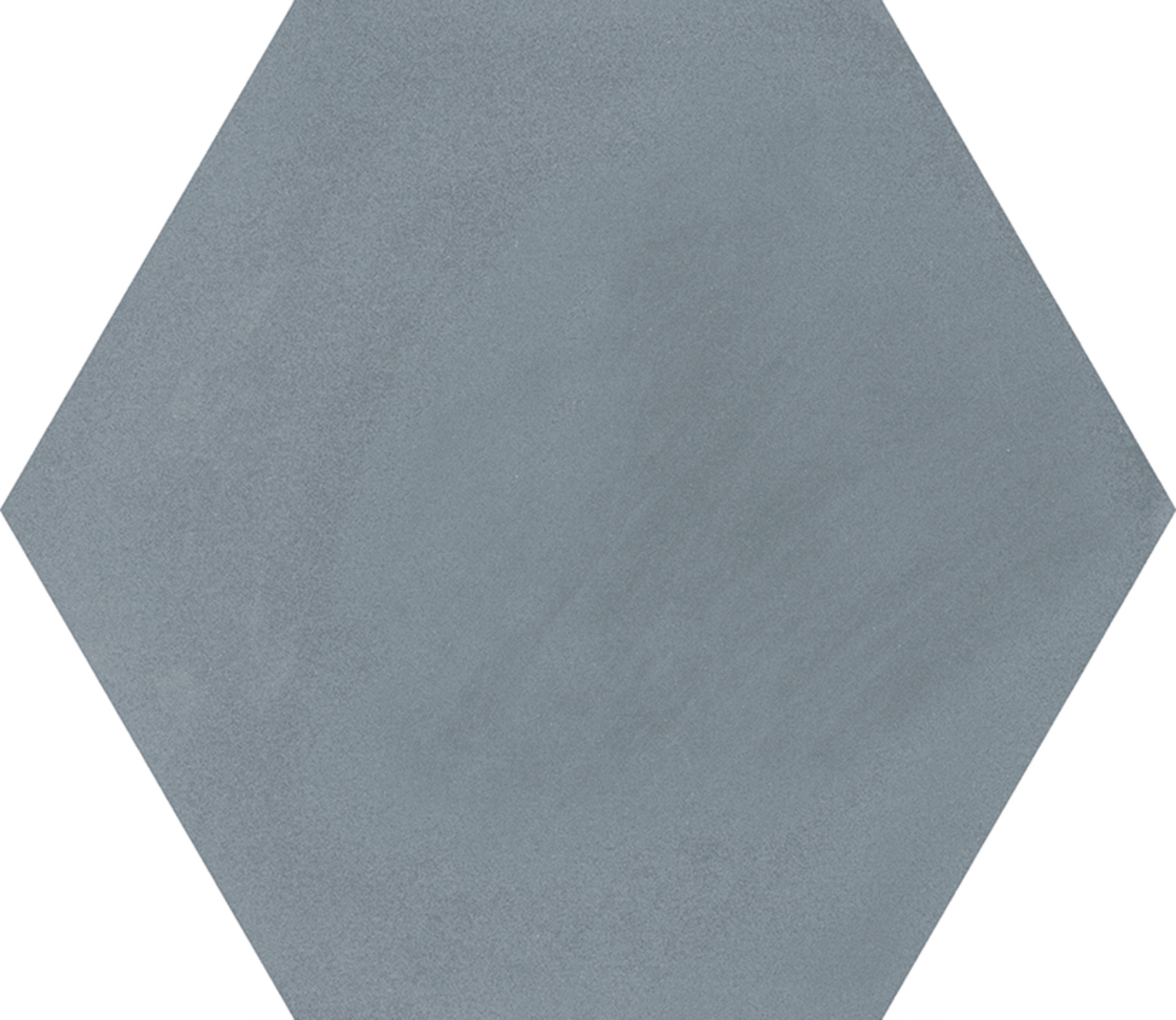
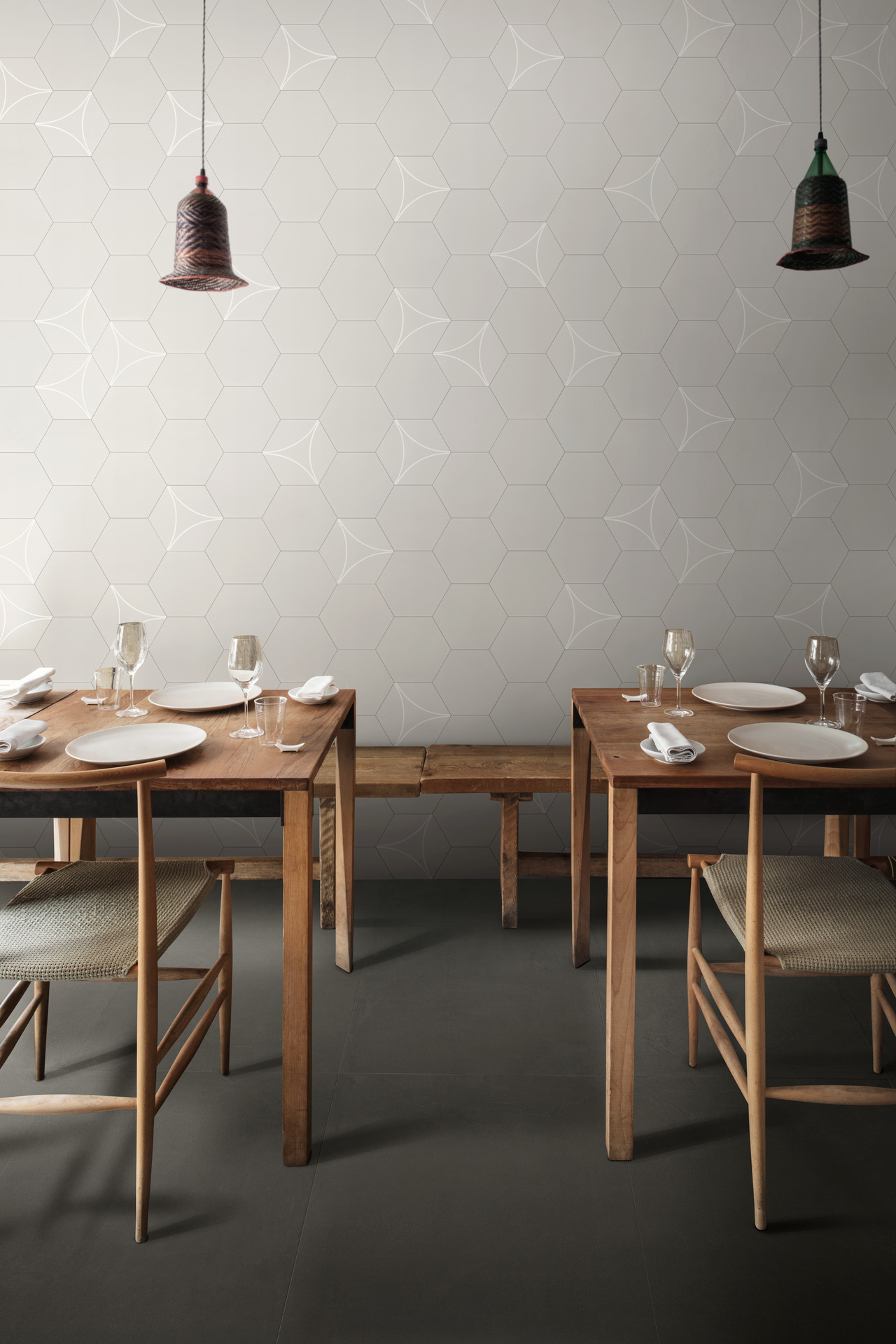
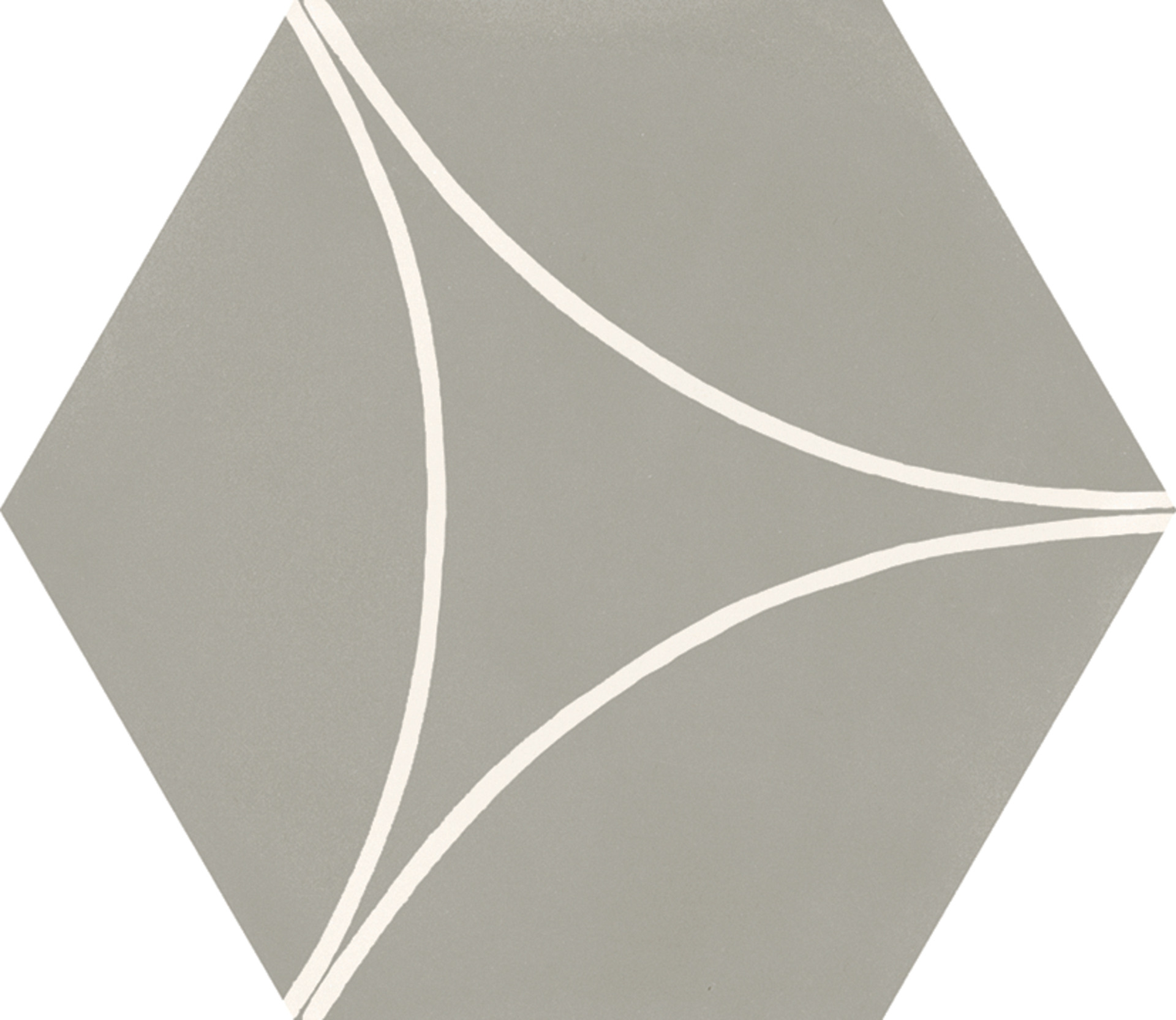
The hexagon, a perfectly balanced geometric figure, has always been appreciated for its ability to generate fluid and continuous patterns, which impart movement and order to the space. Its configuration allows for new and original compositional possibilities, making each installation unique and customizable. Marazzi hexagonal tiles interpret this charm in a contemporary key, through collections ranging from industrial to rustic style, from shabby chic to Nordic minimalism, from revisited classic to ethnic. In the current panorama of ceramic design, hexagonal tiles have become a preferred choice for those who want a decorative yet essential floor, capable of integrating harmoniously into different contexts. These are ideal for wall coverings and details, thanks to the high technical performance guaranteed. The versatility of hexagonal porcelain stoneware tiles is accompanied by numerous creative possibilities in installation: free patterns, optical games, effects of continuity or interruption, all designed to amplify the expressiveness of the rooms. The charm of hexagonal surfaces is not limited to shape: colors, textures, and material effects are essential to visually enrich spaces. Marazzi hexagonal tiles are available in a wide color palette, ranging from sophisticated gray to bright white, from graphic black to warm beige, up to bold shades like green and blue. Each nuance helps to modulate the perception of space, creating intimate, vibrant, or balanced rooms depending on the design choices. Among the main material solutions, cement effect surfaces and matte monochromes offer a contemporary aesthetic, while micro-patterns like fabric and geometric decorations in cementine style bring artisanal taste back into interior architecture. The combination with smooth coatings, glossy surfaces, or natural materials allows for elegant contrasts or refined visual continuity. Formats and textures are designed to blend with the architectural language, transforming each hexagonal tile into a distinctive element. Gray, beige, and white palettes are essential for defining balanced and bright spaces. Hexagonal floor tiles in these shades enhance natural light and bring harmony to rooms, discreetly adapting to both classic and contemporary styles. The hexagonal geometry, combined with a neutral palette, can deliver an essential and refined aesthetic, suitable for different living contexts. For those who wish to dare, deep blue and glossy green are ideal choices. These energetic tones, offered by Marazzi in brilliant finishes, give a strong personality to spaces, especially when paired with minimalist furniture or design details. The effect is a bold and modern visual language, perfect for those who want to make walls and floors the absolute protagonists. Hexagonal porcelain stoneware tiles coherently combine aesthetics and performance: thanks to their high resistance and compatibility with underfloor heating systems and radiant panels, they are perfect for rooms subjected to frequent foot traffic such as kitchens, entrances, bathrooms, and living rooms. The hexagonal format adds significant decorative value, helping to define and visually segment the space. Through the alternation of colors and textures, it is possible to create functional areas or ceramic carpets integrated into the flooring, providing visual rhythm and depth to the room. Tones from the same color family, expertly calibrated, enhance the dynamic effect and make each surface harmonious. One of the major strengths of the hexagonal shape is its ability to generate continuous surfaces, without visual interruptions. This peculiarity allows for the design of coverings capable of simulating rugs, frames, or accent areas, with extreme compositional freedom. Moreover, installation with minimal grout or free modulation enriches the overall design, creating floors and walls with always original geometries. In the bathroom, hexagonal tiles become the protagonists of a current and refined aesthetic. Installed on floors or walls – in the sink area, shower or bathtub – they allow for the construction of elegant and well-organized rooms. Depending on the chosen combinations, one can achieve a vintage, industrial, or more essential mood, utilizing elegant solutions like mosaic or wood effect. Pairings with marble effect ceramics, cement surfaces, or solid colors allow for the enhancement of the hexagonal shape and highlight contrasts between textures. The material effect of cementine or cotto-cement available in the Marazzi catalog gives authenticity and depth, transforming the bathroom into a space rich in details and nuances, consistent with a design vision that centers on functionality and elegance. Even in the kitchen, Marazzi hexagonal tiles represent an intelligent solution to combine aesthetics and functionality. Used as backsplash or entire wall coverings, they clearly define the operational space and enhance its geometry. Thanks to their shape, they integrate perfectly with the linearity of the furniture, adding dynamism and depth. Beyond the aesthetic impact, hexagonal porcelain stoneware ensures resistance to heat, humidity, and daily stresses. Whether for modern, Nordic, or retro-inspired kitchens, the hexagonal tile is a versatile and highly decorative choice. In the living room, entrance, or corridors, the use of hexagonal tiles allows for the creation of welcoming and distinctive rooms. The modular geometry applied to the living room becomes a tool to visually delimit functional areas and to connect them through a coherent decorative language. The alternation between hexagonal floor tiles and vertical surfaces allows for amplifying optical effects, creating ceramic rugs, backdrops, or focal points. The play between neutral colors and material effects makes each solution unique, offering an extraordinary range of expression: design, once again, becomes an ally of functionality, creating ordered, flowing, and visually articulated spaces. Hexagonal stoneware surfaces also find perfect application outdoors. From the terrace to a loggia, passing through the covered patio, these solutions become natural extensions of indoor spaces, thanks to coordinated installation that ensures aesthetic continuity. Hexagonal porcelain stoneware, resistant to atmospheric agents and temperature variations, is an ideal choice for indoor and outdoor contexts, both residential and commercial. Thanks to the high quality of materials and the design signed by Marazzi, each external surface transforms into a living space, where aesthetics, innovation, and durability dialogue in perfect balance.
Marazzi Recommends
Hexagonal Geometries for Rooms with Strong Visual Impact
Color and Material to Add Depth to Hexagonal Geometries
Color and Material to Add Depth to Hexagonal Geometries
Bold Colors for Surfaces with Strong Character
Hexagonal Porcelain Stoneware Surfaces: Resistance and Compositional Freedom
Installation and Composition on Continuous Surfaces
Hexagonal Tiles for Contemporary and Visually Ordered Bathrooms
Hexagonal Coverings in the Kitchen to Enhance Spaces
Living and Passage Areas Enhanced by Hexagonal Geometry
Hexagonal Design for Outdoor Spaces